A recent rumor about OnePlus shutting down exposed a deeper truth: the brand has become invisible to American consumers and retail staff, even as it continues to make some of the best hardware on the market.
I walked into a T-Mobile store last month—the same one where I first discovered OnePlus eight years ago—and asked a salesperson about their phones. He looked at me like I had grown a second head.
"OnePlus?" he said, confused. "I don't think they make phones anymore."
His manager, overhearing the conversation, chimed in with authority: "They went out of business."
I had to correct them both. I'm currently typing this on my fifth OnePlus device, purchased just weeks earlier. But the interaction crystallized something I'd been feeling for months: OnePlus has become a ghost in the American smartphone market, invisible to the very people who once championed it.
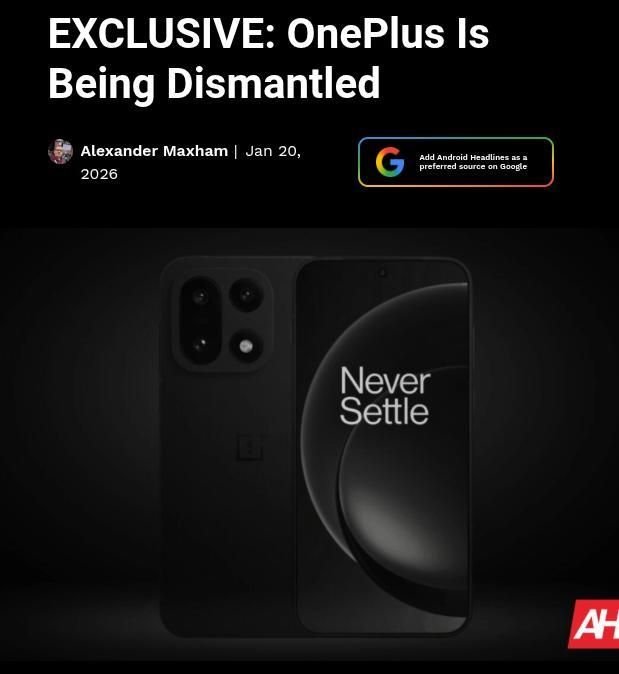
This conversation happened shortly before the internet briefly panicked over a story from Android Headlines with the apocalyptic headline "OnePlus is Being Dismantled." The piece suggested the company was contracting, canceling products, and failing in its strongholds. It read like a death notice.
But the story quickly unraveled. The site's founder, Chris Yackulic, admitted he used AI assistance to structure the article, even though the reporting itself came from human sources. "If you have something as shocking as 'a popular smartphone brand is going under,' no matter the quality of the sourcing, you don't hand the football to the bots," he wrote in a follow-up message.
OnePlus India CEO Robin Liu was quick to deny the rumors, urging people to "verify information from official sources before sharing unsubstantiated claims." The company isn't being dismantled. But here's the uncomfortable truth: in many ways, it might as well be.
The Vanishing Act
My own journey with OnePlus began in 2016, when I walked into that same T-Mobile store feeling frustrated with iPhone prices and limitations. There, I found the OnePlus 6T—a genuinely good phone for about half the price of Apple's offering, with no notch to mar the screen. It was my introduction to Android, and I've been loyal ever since, even after a brief, unhappy detour through Samsung territory.
But loyalty is being tested. When I decided to upgrade recently, I found myself buying through Amazon instead of a carrier store. That's because OnePlus effectively vanished from T-Mobile's shelves two years ago, and nothing has replaced it. The manager who told his employee OnePlus was dead wasn't entirely wrong from a retail perspective—if you can't buy it in a store, does it really exist?
A quick check reveals the grim reality: Verizon is the only major carrier still offering a OnePlus phone on contract, and it's the low-end Nord 30 5G, a three-year-old device. Best Buy carries them, but there are far more carrier stores than big-box retailers. In a market where three companies—Apple, Google, and Samsung—dominate, OnePlus has become an afterthought.
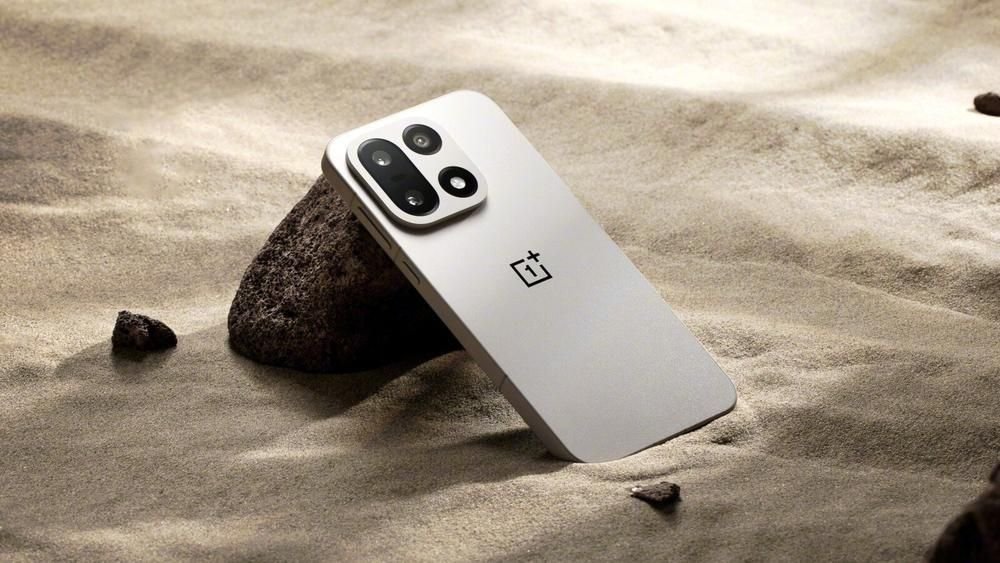
This isn't just a U.S. problem. Indian retailers have complained about stock issues despite a gray market flooded with devices. When the OnePlus 13 launched, it was absent from Amazon for months, forcing customers to buy directly from the manufacturer and lose access to carrier subsidies and credit plans. The OnePlus 15 appeared on Amazon faster, but the pattern is clear: OnePlus is making it harder, not easier, to give them your money.
The Community Exodus
Perhaps the most telling sign of OnePlus's decline comes from Oxygen Updater, a third-party software installer and community hub for OnePlus enthusiasts. Their observation is damning:
"Many years ago, despite having far fewer users, we received many more emails and messages on our own Discord server. Everyone was active and involved, and most of all, passionate. Even the quality of emails/messages has reduced over the years... Fast forward a few years, and that's nowhere to be found; at least, not the same frequency."
The community that once evangelized these phones is dissipating. Where are the passionate newcomers? Where are the purchase advice discussions? The old guard has left, and replacements aren't arriving.
This mirrors what I've experienced personally. The pop-up selfie camera on the OnePlus 7 was, in my opinion, one of the best features a mainstream phone ever had—pure innovation. But recent models feel like retreats rather than advances.
The OnePlus 13 represented the peak of the company's design language, evolving the formula that had worked since the 6T. It was polished, refined, and widely praised. Then came the OnePlus 15, which abandoned that identity entirely. It adopted the boxy, industrial look of recent iPhones and Samsung devices, bet everything on high refresh rates and battery life, and—bafflingly—downgraded the cameras significantly from the 13.
Robert Triggs at Android Authority captured the confusion perfectly: "The OnePlus 13 was exactly what many of us envision the ideal OnePlus phone to be... On the other hand, its successor is so stuffed with side-grades and trade-offs that it's hard to believe it came from the same company just a few months later."
The BBK Problem
OnePlus exists within the sprawling empire of BBK Electronics, which also owns Oppo, Vivo, and Realme. This corporate structure creates a unique challenge: OnePlus must constantly compete with its siblings for attention and resources.
In China, Oppo is the star player, receiving most of the focus and investment. That priority bleeds into product development for outside markets. OnePlus, positioned as the global brand, ends up with compromised products that feel like afterthoughts rather than flagships.
It's a nonsensical strategy that harms consumers. Instead of doubling down on what made OnePlus special—innovation, value, and distinct design—the company seems to be drifting toward homogeneity.
The Path Forward
Here's the irony: OnePlus phones are still excellent. My latest purchase may be my favorite ever. The hardware is solid, the performance is strong, and the value proposition remains compelling. But none of that matters if potential customers can't find them, salespeople don't know they exist, and the community that once championed the brand has moved on.
The solution isn't complicated. OnePlus needs to return to carrier partnerships in the U.S., even if they're expensive. In a market dominated by three giants, you can't compete from the shadows. You need to be on shelves, in ads, and in the conversation.
The alternative is slow obsolescence. OnePlus could become a niche brand for enthusiasts who know where to look, or worse, a footnote in smartphone history.
We need more competition, not less. The smartphone market is stagnating under the weight of Apple, Google, and Samsung's dominance. OnePlus has proven it can make compelling hardware. But first, it needs to make itself visible again—starting with convincing T-Mobile salespeople that the brand is very much alive.
Until then, I'll keep buying from Amazon, and I'll keep wondering how many potential customers walked out of that store empty-handed because nobody could tell them what a OnePlus phone was.
Comments
Please log in or register to join the discussion