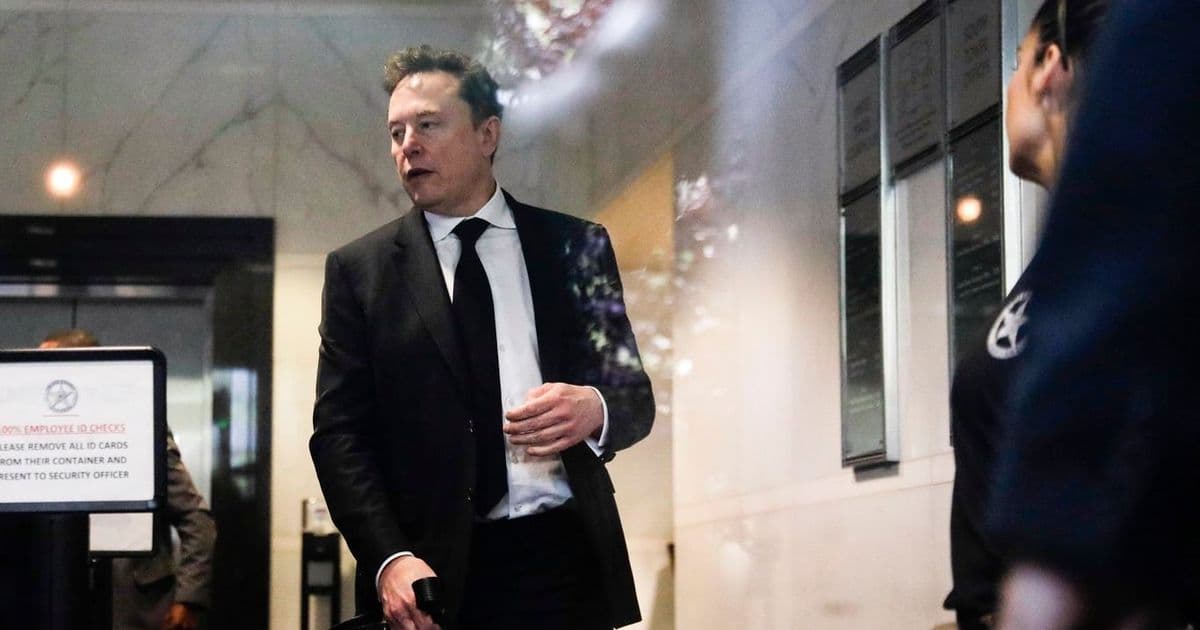
Elon Musk faces counterclaims from OpenAI as the legal battle intensifies over AI safety commitments, with the company highlighting Grok's safety record in court.
In a dramatic turn in the ongoing legal battle between OpenAI and Elon Musk, the artificial intelligence research organization has challenged Musk's portrayal as the 'good guy' in AI safety, introducing evidence about xAI's Grok model safety record during testimony. The case, which has captivated Silicon Valley, centers on Musk's 2015 lawsuit alleging OpenAI deviated from its original nonprofit mission.
During testimony in Oakland federal court, Musk positioned himself as a champion of AI safety, claiming OpenAI's shift to a capped-profit model betrayed the company's founding principles. "OpenAI was created to ensure artificial general intelligence benefits all of humanity," Musk stated, emphasizing his concerns about commercial interests potentially compromising safety protocols.
OpenAI's legal team responded by presenting evidence about Grok, xAI's conversational AI assistant, suggesting potential safety concerns. The company highlighted instances where Grok generated responses that could be considered misleading or inappropriate, contrasting with OpenAI's stated safety commitments. "Musk's own creation has demonstrated significant safety challenges," argued OpenAI counsel, pointing to documented cases of Grok producing harmful content.
The legal battle carries substantial implications for the AI industry. OpenAI, valued at approximately $157 billion in its latest funding round, argues that the for-profit structure is necessary to attract the computational resources needed for advanced AI development. The organization has invested an estimated $7 billion in computing infrastructure for its research.
Musk's xAI, valued at approximately $18 billion following its recent funding round, has positioned itself as a safety-focused alternative to mainstream AI companies. However, OpenAI's legal team presented internal communications suggesting Musk prioritized speed-to-market over comprehensive safety testing for Grok.
Industry analysts note the case reflects broader tensions in the AI sector between commercial interests and safety commitments. "This lawsuit is essentially a proxy war about the future direction of AI development," commented Sarah Jenkins, a tech policy analyst at Stanford University. "How courts balance innovation incentives with safety safeguards will shape the industry for years."
The case has drawn attention from regulatory bodies worldwide, with the EU's AI Act and similar frameworks in the US and China establishing new compliance requirements. OpenAI has invested approximately $20 million in safety research, while xAI has allocated approximately $5 million to similar initiatives according to public filings.
Legal experts predict the case could set precedents for AI governance, particularly regarding the enforceability of founding commitments as organizations evolve. "The court will need to determine whether moral obligations can survive corporate transformations," noted Professor Michael Reynolds, a technology law scholar at Berkeley.
The trial continues with testimony from additional AI industry leaders, including representatives from Google, Anthropic, and Microsoft, all of whom have faced similar questions about balancing innovation with safety in their AI development processes.
Comments
Please log in or register to join the discussion