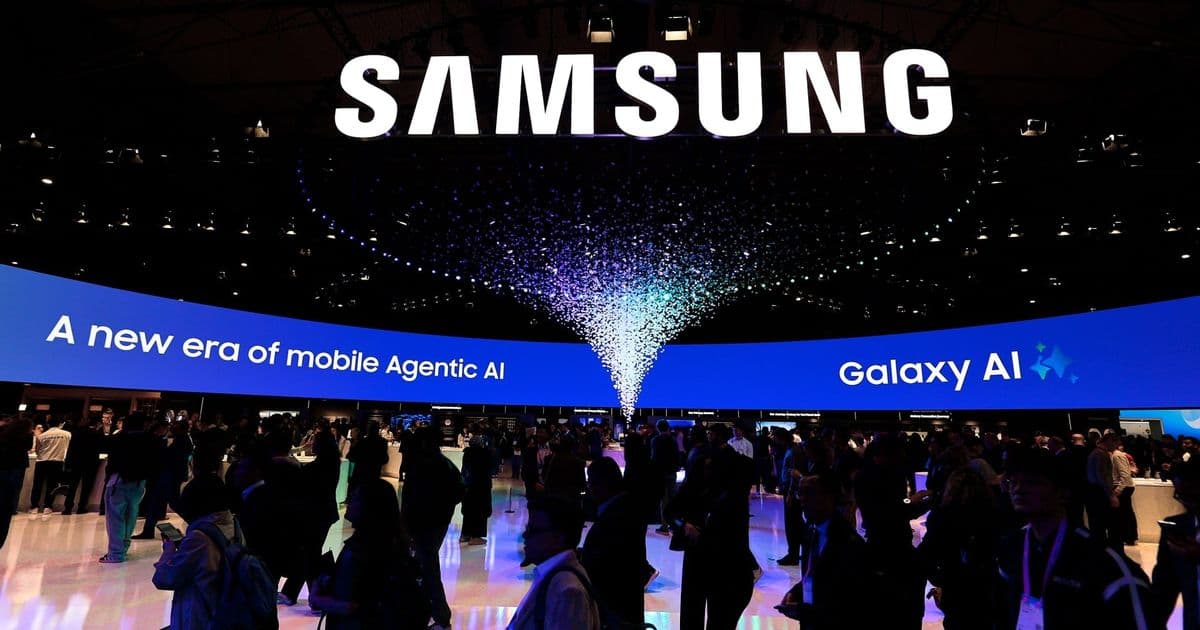
Samsung's Q1 operating profit skyrocketed 756% year-over-year, driven by unprecedented demand for memory chips powering AI systems, as other tech giants also report strong earnings boosted by artificial intelligence investments.
Samsung Electronics delivered an extraordinary financial performance in the first quarter of 2026, with operating profit jumping 756% year-over-year to approximately $38.5 billion, surpassing analyst estimates of around $37.2 billion. The South Korean tech giant's revenue similarly surged 69% to roughly $90.2 billion, exceeding expectations of approximately $89.4 billion. These results, reported on April 29, 2026, establish new records for the company and signal a significant acceleration in the artificial intelligence hardware market.
The primary driver behind Samsung's remarkable performance is the unprecedented demand for memory chips specifically designed for AI applications. As companies worldwide race to build and deploy artificial intelligence models, the need for high-performance memory chips—particularly HBM (High Bandwidth Memory) and other specialized memory solutions—has created a supply-demand dynamic that has been incredibly favorable for Samsung.
"The AI revolution has fundamentally transformed the memory market," said Lee Jae-yong, Samsung's executive chairman, during the earnings call. "Our HBM products have become the de facto standard for AI accelerators, and we're seeing demand that exceeds even our most optimistic projections."
Samsung's results come amid a broader wave of strong financial performances across the technology sector. Alphabet reported first-quarter revenue of $109.9 billion, up 22% year-over-year, with its Google Cloud division growing an impressive 63% to $20 billion. Meta Platforms saw revenue increase 33% to $56.31 billion, while Microsoft's cloud and AI division surpassed an annual revenue run rate of $37 billion, growing 123% year-over-year. Even Amazon, which faces more competitive pressures, reported 17% revenue growth to $181.5 billion, with its AWS division growing 28% year-over-year.
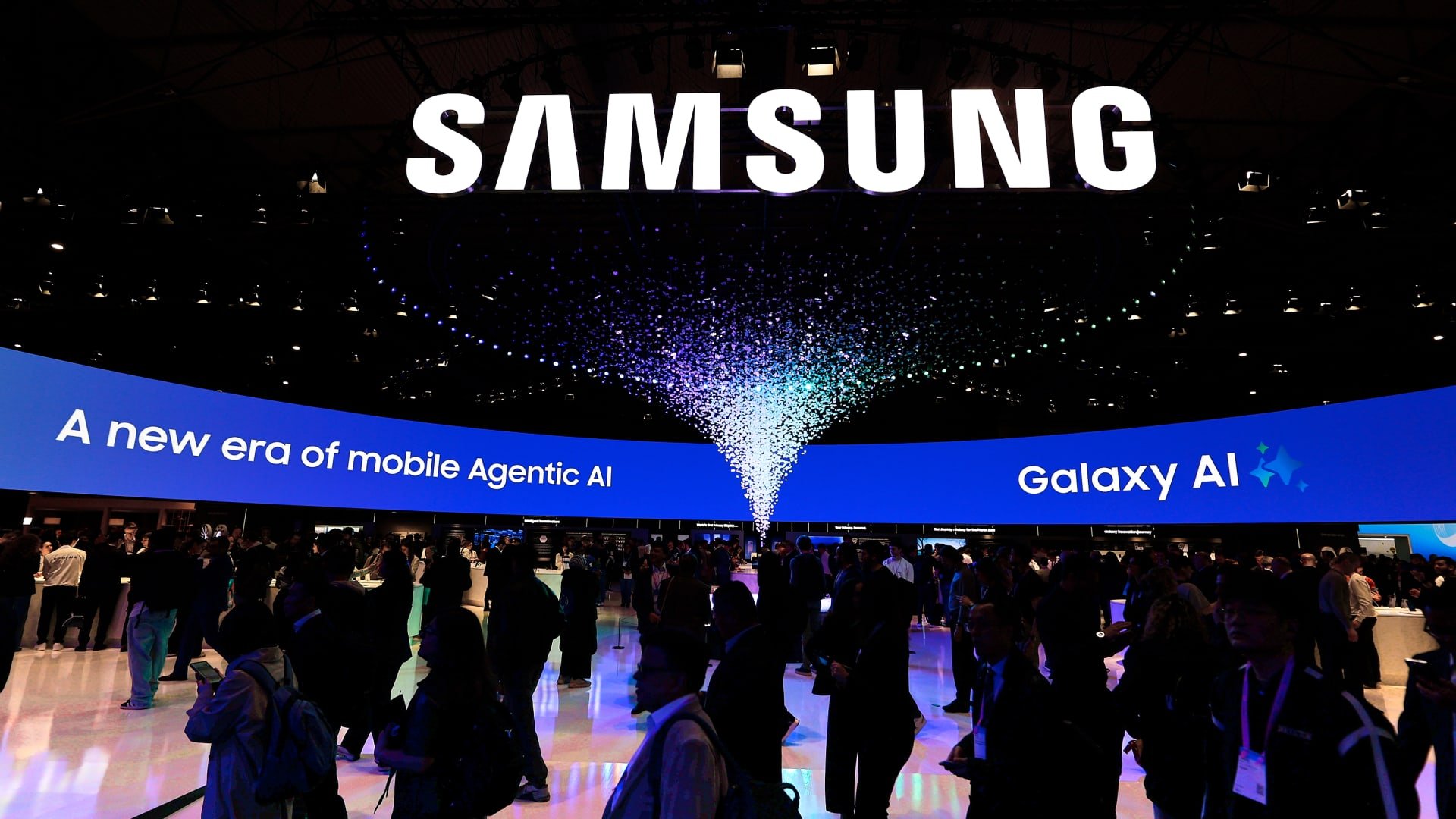
"The tech industry is experiencing a bifurcation between companies that successfully pivoted to AI and those that haven't," noted tech analyst Sarah Jenkins. "Samsung's performance, alongside Microsoft and Google's cloud growth, demonstrates that the hardware and infrastructure layers of AI are creating enormous value."
However, the concentration of benefits raises questions about market concentration and sustainability. Samsung's memory chip division, particularly its HBM products, has become increasingly dominant in the AI hardware space. The company controls approximately 50% of the HBM market, with competitors like SK Hynix and Micron struggling to keep pace with demand and technological advancement.
"The current memory market dynamics resemble the gold rush of the early AI boom," commented David Chen, a semiconductor industry analyst. "While Samsung is clearly benefiting, there are legitimate concerns about whether this level of concentration is healthy for the long-term development of AI infrastructure."
Another perspective questions the durability of the current growth trajectory. Some industry observers point to potential overcapacity in certain memory segments as more players enter the market and existing players expand production.
"We've seen this movie before in the semiconductor industry," warned Lisa Park, a former memory chip executive now consulting for tech startups. "The current boom could lead to overinvestment, followed by a correction when supply catches up with demand."
Samsung's success also highlights the critical role of memory chips in AI systems, which has historically been overshadowed by discussions about processors and software. Modern AI models require massive amounts of high-speed memory to handle the parallel processing necessary for training and inference.
"Memory is the unsung hero of AI," explained Dr. Michael Rodriguez, a computer architecture specialist. "While everyone focuses on GPUs and TPUs, the memory subsystem is often the true bottleneck or enabler of AI performance. Samsung's dominance in this space gives them an outsized influence on the pace of AI development."
Looking ahead, Samsung faces both opportunities and challenges. The company is reportedly preparing to mass-produce its next-generation HBM4 chips by late 2026, which could further solidify its position in the market. However, geopolitical tensions, particularly between the US and China, could impact Samsung's ability to sell to Chinese customers, who represent a significant portion of the memory chip market.
Additionally, the emergence of new memory technologies, such as compute-in-memory architectures that combine processing and storage in a single chip, could disrupt the current market dynamics established by traditional memory suppliers.
"The industry is at an inflection point," said Jennifer Kim, a semiconductor research director. "While Samsung is dominant today, the convergence of memory and processing could create new competitors and business models that challenge the current hierarchy."
Despite these uncertainties, Samsung's Q1 performance has sent a clear signal to the market: the AI hardware boom is real and creating substantial value for those positioned to benefit from it. As companies continue to invest billions in AI infrastructure, the demand for specialized memory chips shows no signs of abating, suggesting that Samsung's current success may continue for the foreseeable future.
The broader tech industry is watching closely to see whether Samsung can maintain this extraordinary growth rate and whether other memory chip manufacturers can catch up to meet the seemingly insatiable demand for AI-optimized hardware. In the meantime, the company's record-breaking quarter has established a new benchmark for performance in the age of artificial intelligence.
For more detailed information on Samsung's financial results, you can refer to their official earnings release. Additional context about the memory chip market can be found in this Semiconductor Industry Association report and this analysis from Gartner.
Comments
Please log in or register to join the discussion