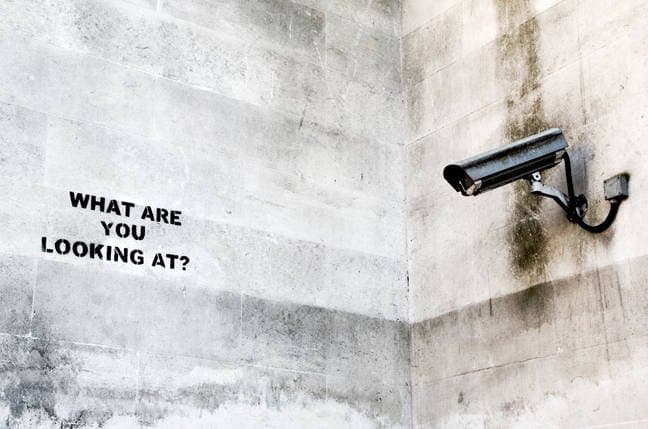
OpenAI's new Chronicle feature captures user screens to provide context to its Codex AI model, echoing privacy concerns raised by Microsoft's Recall feature. The opt-in research preview introduces significant data protection challenges for organizations and individual users.
OpenAI has quietly introduced an opt-in research preview called Chronicle that captures user screens and feeds those images to its Codex agent, providing additional contextual information for AI assistance. This move closely resembles Microsoft's controversial Recall feature from 2024, which faced significant backlash from privacy advocates and cybersecurity professionals.
What is Chronicle?
"Chronicle augments Codex memories with context from your screen," explains OpenAI in its documentation. "When you prompt Codex, those memories can help it understand what you've been working on with less need for you to restate context."
Currently, Chronicle is only available in the Codex app for macOS and operates as an opt-in feature. The system takes screenshots of the user's desktop environment and processes them to generate contextual memories that the Codex AI can reference during interactions.
How Chronicle Works
The technical process involves several steps:
- Screen captures are temporarily stored on the user's device
- These images are transmitted to OpenAI's servers for processing
- OpenAI applies OCR and other extraction techniques to derive text content
- The extracted information is stored as "memories" in Markdown format
- These memories persist locally on the device until manually deleted
OpenAI claims that screen captures are not used for training or long-term storage unless required by law, though the company has not fully clarified whether the derived text memories could be subject to legal demands.
Privacy and Security Implications
The feature introduces several significant privacy and security concerns:
Data Protection Risks
- Unencrypted storage: Memories are stored unencrypted on the user's device
- Sensitive information exposure: Screen captures may contain passwords, credit card numbers, and other sensitive data
- Extended data persistence: While screenshots are only stored for six hours, the derived text memories persist indefinitely until deleted
Security Vulnerabilities
- Prompt injection: Screen captures containing malicious instructions could increase the risk of prompt injection attacks
- Rate limit consumption: The feature uses rate limits quickly, potentially limiting other functionality
- Unauthorized access: OpenAI warns that "other programs on your computer can also access these files"
Regulatory Compliance Considerations
Organizations implementing Chronicle must consider several compliance frameworks:
GDPR Compliance
- Lawful basis for processing: Organizations must establish a lawful basis for processing personal data captured via Chronicle
- Data minimization: The feature captures potentially more data than necessary for its intended purpose
- Right to erasure: Users must be able to delete memories containing their personal data
CCPA/CPRA Compliance
- Notice requirements: Organizations must inform users about the collection of visual data
- Opt-in consent: The feature must be truly optional, with clear consent mechanisms
- Data retention policies: Organizations must establish retention policies for the derived memories
Industry-Specific Regulations
For organizations in healthcare (HIPAA), finance (GLBA), or other regulated sectors, Chronicle's data collection capabilities may conflict with industry-specific requirements for protecting sensitive information.
Microsoft Recall Precedent
Microsoft's Recall feature, introduced in 2024, captured screenshots every few seconds and faced immediate criticism from the cybersecurity community, which described it as "a keylogger, a privacy nightmare, and litigation bait." Despite subsequent revisions, browser Brave developed Recall screenshot blocking functionality after testing revealed the feature was saving images of credit card numbers and passwords despite supposed filters.
Recommendations for Organizations
Organizations considering Chronicle should implement the following measures:
- Risk Assessment: Conduct thorough privacy impact assessments before enabling Chronicle
- Employee Training: Train staff on the privacy implications and proper usage of the feature
- Data Classification: Implement data classification to identify and protect sensitive information
- Access Controls: Restrict access to devices with enabled Chronicle to authorized personnel only
- Monitoring: Implement monitoring for unusual access to Chronicle-generated files
- Clear Policies: Develop organizational policies governing the use of AI features with data collection capabilities
Conclusion
While Chronicle offers potential productivity benefits by providing contextual information to the Codex AI model, organizations must carefully weigh these benefits against significant privacy and security risks. The feature's resemblance to Microsoft's Recall suggests that OpenAI may face similar public scrutiny, particularly given the documented security concerns.
As data protection regulations continue to evolve, organizations should approach Chronicle with caution, implementing robust safeguards to protect sensitive information and maintain compliance with applicable privacy laws. The opt-in nature of the feature provides some flexibility, but organizations should consider whether the benefits outweigh the substantial privacy and security implications.
For more information on OpenAI's privacy practices, visit their official documentation.
Comments
Please log in or register to join the discussion