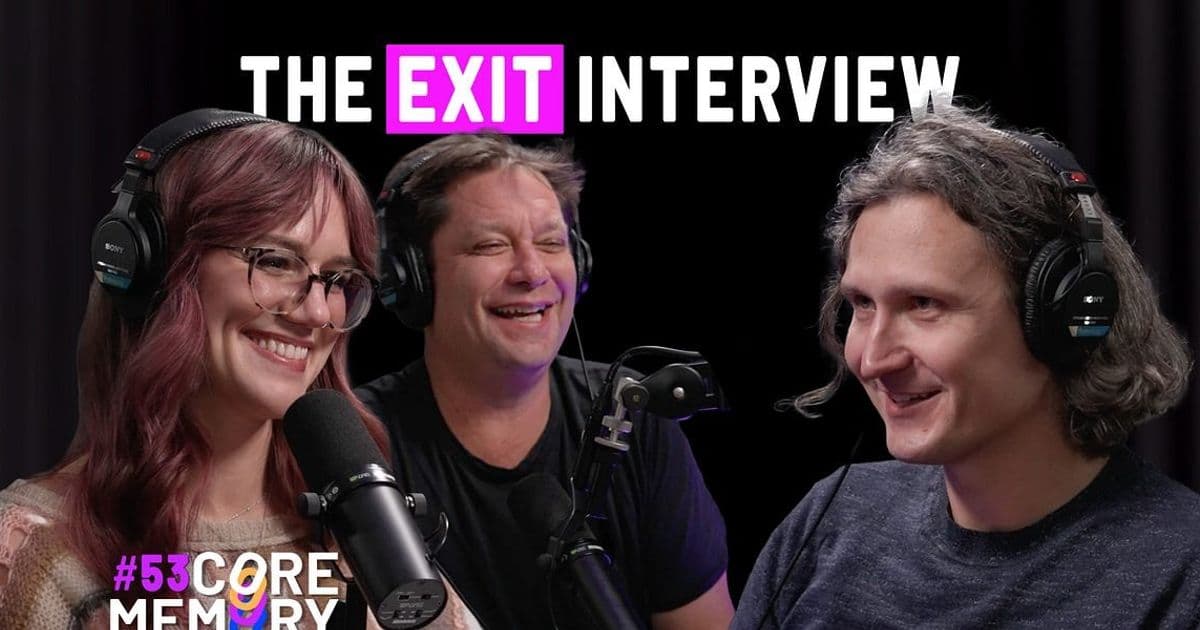
Former OpenAI VP of Research Jerry Tworek alleges the company's move toward conservative operational approaches has created barriers to high-risk, groundbreaking AI work, raising questions about innovation constraints in leading AI labs.
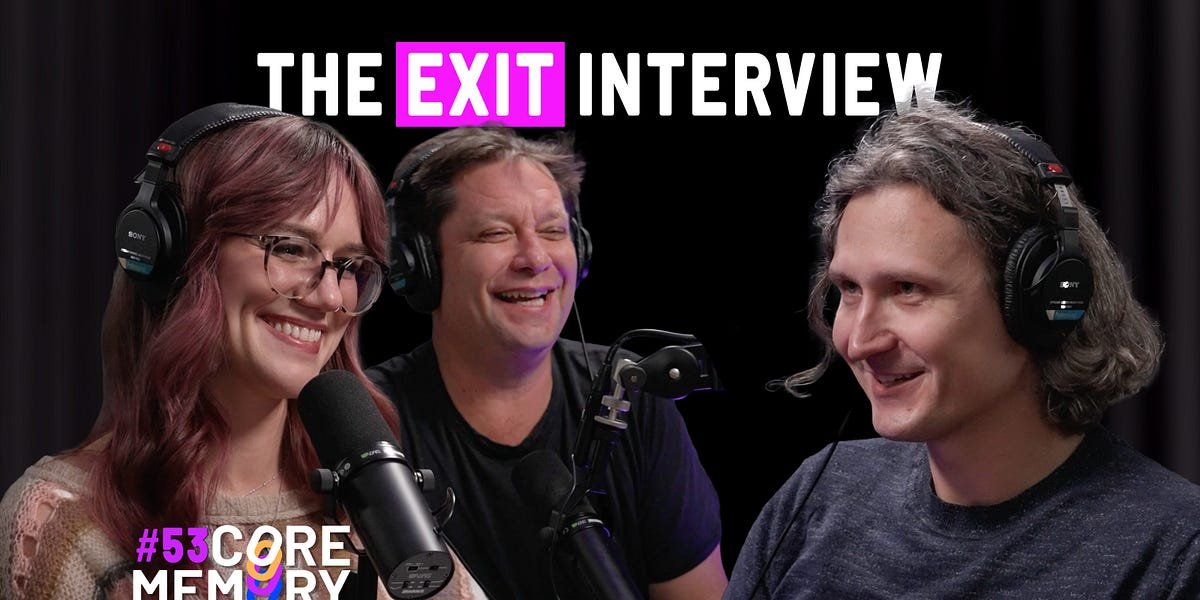
Jerry Tworek, OpenAI's recently departed Vice President of Research, has publicly detailed how the company's cultural shift toward conservative operational models hampered ambitious research initiatives. In a revealing exit interview, Tworek contends that OpenAI's pivot toward corporate-style risk management increasingly conflicted with the exploratory ethos required for cutting-edge AI development.
Tworek joined OpenAI during its early foundational years, contributing to breakthroughs in transformer architectures and reinforcement learning systems. His departure on January 5th, 2026, followed growing frustration with what he describes as "institutional friction" against high-risk projects. "The calculus changed fundamentally after the GPT-4 rollout," Tworek explained. "Where we once prioritized exploratory vectors with high uncertainty but transformative potential, we now spend more cycles justifying why projects won't deviate from established safety frameworks."
This tension reflects broader industry patterns emerging as AI labs scale. Anthropic recently overhauled Claude's constitutional approach to enable broader principle-based reasoning rather than rigid rule-following, while Google DeepMind CEO Demis Hassabis publicly emphasized balancing innovation with responsibility. Tworek's critique suggests OpenAI may be leaning harder toward caution than peers.
The operational shift manifests in resource allocation according to Tworek: "Teams proposing radical architecture changes face disproportionate scrutiny compared to incremental improvements on existing models. We've lost several key researchers who felt their most ambitious work couldn't flourish here anymore." This echoes concerns in academic circles that corporate AI labs increasingly prioritize predictable progress over fundamental breakthroughs.
Industry analysts note potential opportunities emerging from this conservatism. Venture funding continues flowing toward specialized AI startups pursuing high-risk approaches, with OpenEvidence securing $250M for medical AI systems and Lightning AI merging with Voltage Park to create a $2.5B AI cloud infrastructure play. The departure of senior researchers like Tworek may accelerate talent migration toward smaller entities pursuing unconventional AI architectures.
OpenAI's trajectory remains consequential as it reportedly seeks $50B in new funding at a $750-830B valuation. The organization must navigate Tworek's critique while maintaining investor confidence and competitive positioning against rivals like Anthropic, which achieved a $9B revenue run rate in 2025. How major labs balance safety concerns with the imperative for fundamental breakthroughs will shape the next generation of AI capabilities.
For researchers and investors, Tworek's departure signals inflection points: established players may produce increasingly refined iterations of existing paradigms, while disruptive innovations could emerge from new entrants willing to embrace higher technical uncertainty. This fragmentation could diversify the AI ecosystem but potentially slow coordinated progress on foundational challenges like reasoning and generalization.
As OpenAI reorganizes its research leadership with Barret Zoph reportedly heading enterprise initiatives, the industry watches whether Tworek's exit represents isolated friction or signals structural constraints affecting frontier AI development.
Comments
Please log in or register to join the discussion