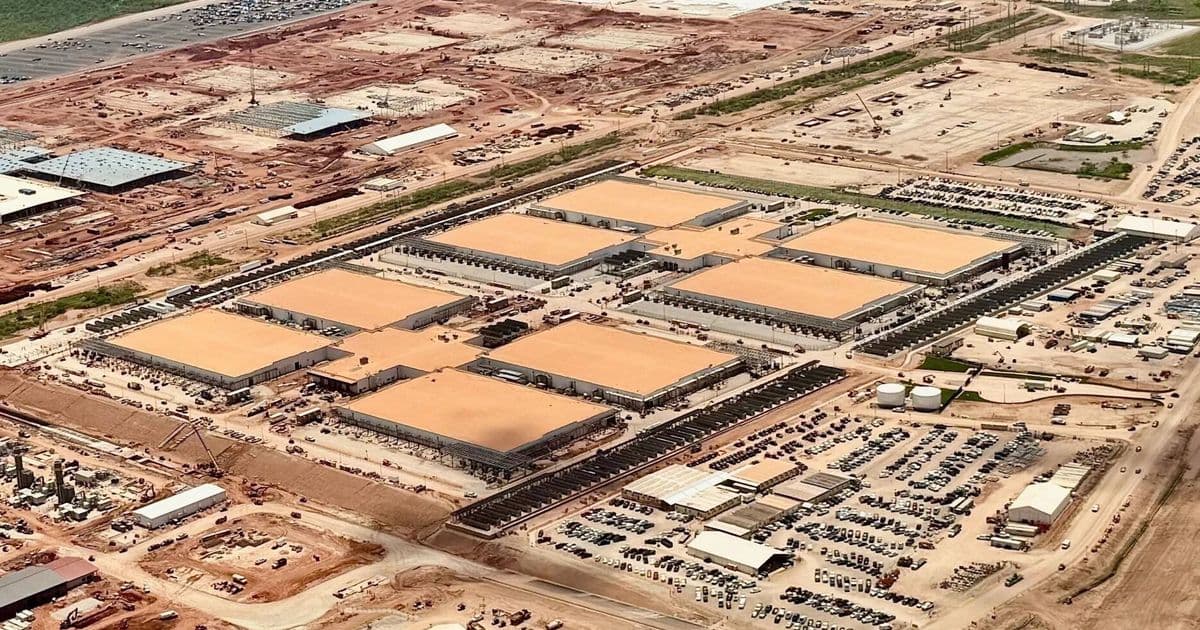
As OpenAI's $500 billion Stargate project breaks ground in Texas, the company is launching a charm offensive to address local concerns about energy prices, water consumption, and environmental impact, following a wave of datacenter opposition across the US.
OpenAI is attempting to preempt community opposition to its massive Stargate datacenter campuses by committing to locally-tailored community plans for each facility. The pledge comes as the $500 billion AI infrastructure project faces growing scrutiny from residents near its first major site in Abilene, Texas, where ten half-million-square-foot buildings are under construction.
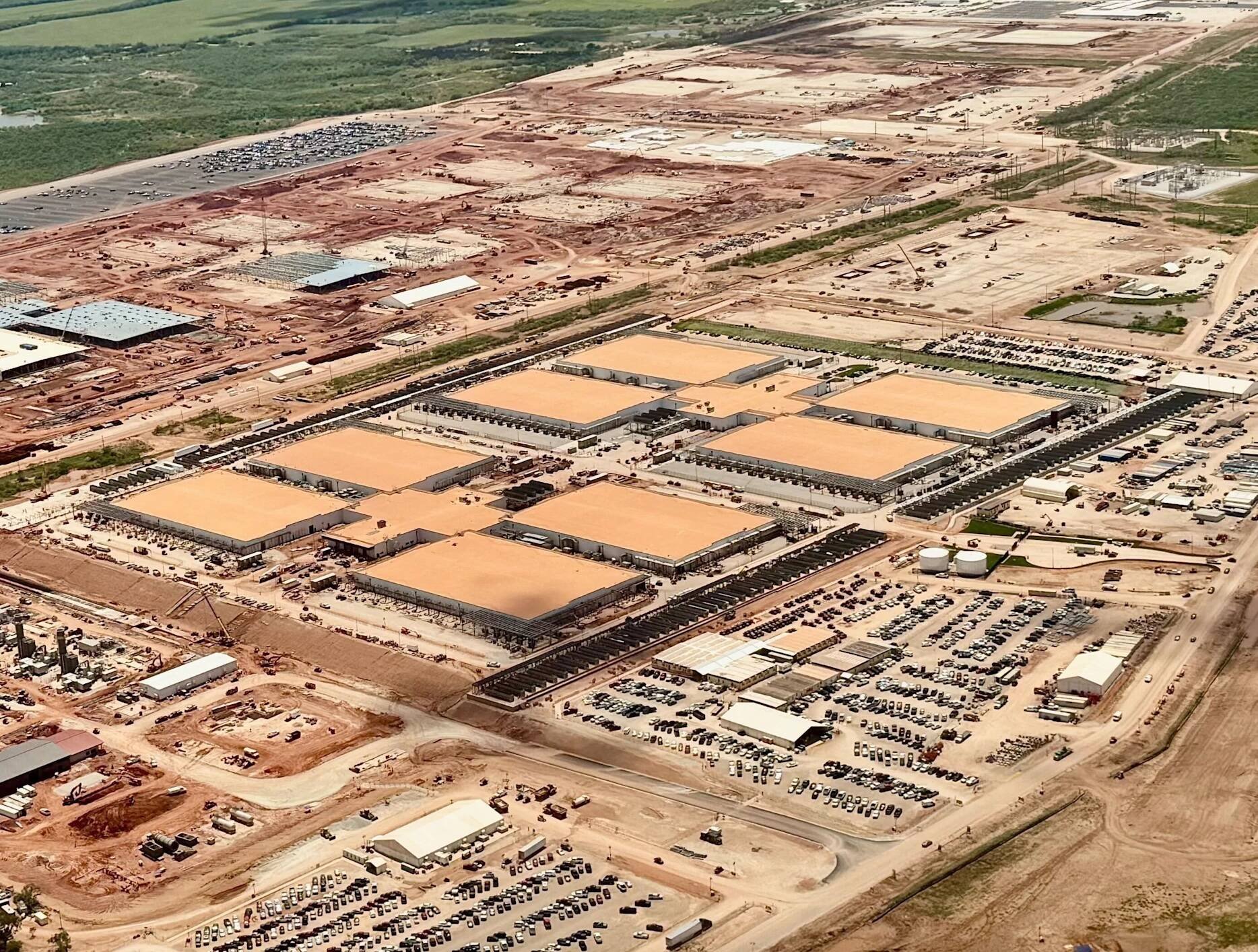
The Stargate initiative, launched in January 2025, represents one of the largest infrastructure investments in history, designed to power the next generation of AI development. However, datacenter projects have encountered increasing resistance from local communities, particularly for facilities of this scale. Research organization Data Center Watch reported that 20 US server farm projects were blocked or delayed due to local opposition during the second quarter of 2025 alone.
The Local Impact: Energy, Water, and Jobs
Communities living in the shadow of these developments have raised concerns about several key issues. The most immediate is electricity pricing. Massive datacenters can consume as much power as small cities, potentially driving up costs for local residents and businesses. In response, OpenAI has pledged that its Stargate campuses "pay their own way on energy," meaning the project's operations won't cause electricity prices to jump for the surrounding community.
This commitment could involve funding additional generating capacity and grid upgrades, as well as working with power companies to operate AI campuses as "flexible loads." This approach allows facilities to reduce or curtail their consumption during periods of peak demand, helping to stabilize the grid rather than strain it.
Water consumption represents another major concern. Traditional datacenter cooling methods, particularly those using evaporative cooling towers, can consume millions of gallons of water daily. OpenAI has committed to minimizing water use by prioritizing closed-loop or low-water cooling systems. Many AI server systems generate substantial heat and require direct-to-chip liquid cooling infrastructure, which typically uses less water than traditional methods.
The employment picture is more complex. While datacenter construction creates temporary jobs, long-term employment at these facilities is often limited. The Wall Street Journal reported that Stargate's Texas site will employ only about 100 full-time workers once operational, despite the massive scale of the development. During construction, however, many more workers will be needed.
To address this, OpenAI plans to establish "OpenAI Academies" as the backbone of regional workforce development in communities near its facilities. These academies would theoretically provide training and opportunities for local residents to participate in the AI economy, though the specifics of this program remain to be detailed.
A Broader Pattern of Datacenter Opposition
The challenges facing Stargate are not unique. Across the United States, communities are pushing back against datacenter developments. In Virginia's "Data Center Alley," residents have complained about noise, visual impact, and environmental concerns. In Arizona, water-stressed communities have questioned the wisdom of building water-intensive facilities in arid regions.
The opposition has reached the highest levels of government. President Trump recently declared that tech giants should "pay their way" when it comes to delivering the extra power they need for their operations. This sentiment reflects growing political pressure on technology companies to address the infrastructure demands of their AI ambitions.
Microsoft has already moved to address these concerns with its "Community-First AI Infrastructure" initiative, which includes commitments to local economic development and environmental stewardship. OpenAI's community plans appear to be a direct response to this competitive landscape, as well as to the broader political and social pressures facing the industry.
The Stargate Timeline and Funding
Despite these challenges, OpenAI insists the Stargate project is moving forward. The company has hired former UK Chancellor of the Exchequer George Osborne to lead "OpenAI for Countries," an initiative to export the Stargate model to other nations beyond the US. This suggests OpenAI is thinking globally about its infrastructure strategy, even as it addresses local concerns.
Funding for the project remains a complex issue. SoftBank has been scrambling to secure $22.5 billion in OpenAI funding before the New Year, highlighting the financial pressures involved in such a massive undertaking. Meanwhile, Oracle has insisted that its $300 billion cloud contract with OpenAI remains on track, despite reports of delays.
OpenAI CEO Sam Altman has also been lobbying for government support, recently requesting tax credits instead of government loans to help finance the project. This reflects the enormous capital requirements of building AI infrastructure at scale.
What Comes Next
The success of OpenAI's community engagement strategy will depend on implementation. The company has promised that each Stargate campus will have a community plan driven by input from local residents. However, the specifics of how this input will be gathered and incorporated remain unclear.
Environmental groups will be watching closely to see if OpenAI's commitments translate into measurable reductions in energy and water consumption. Local communities will be looking for concrete economic benefits beyond temporary construction jobs. Regulators will be monitoring whether the company's promises align with actual performance.
The Stargate project represents a test case for whether the AI industry can build the infrastructure it needs while maintaining social license to operate. If OpenAI succeeds in addressing local concerns, it could provide a model for future AI infrastructure development. If it fails, the backlash could intensify, potentially slowing the pace of AI advancement.
For now, OpenAI is saying all the right things about being a good neighbor. The question is whether those words will be backed by actions that genuinely benefit the communities hosting these massive facilities.
For more information about datacenter environmental impacts, see the U.S. Department of Energy's datacenter energy efficiency resources and WaterWise's analysis of datacenter water usage.
Comments
Please log in or register to join the discussion