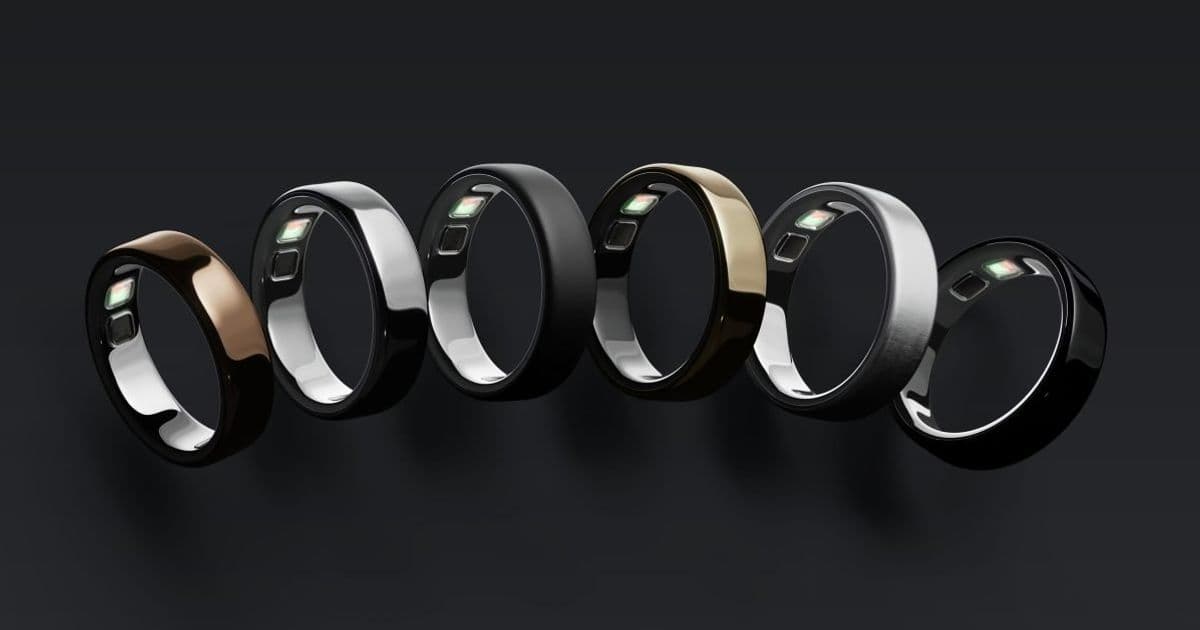
The new Oura Ring 5 trims its profile by 40 percent, adds a Health Radar that watches nighttime blood‑pressure and breathing trends, and rolls out AI‑enabled care and health‑record integration—all while keeping a week‑long battery life.
Oura Ring 5 Arrives Smaller, Faster, and With Blood‑Pressure Tracking
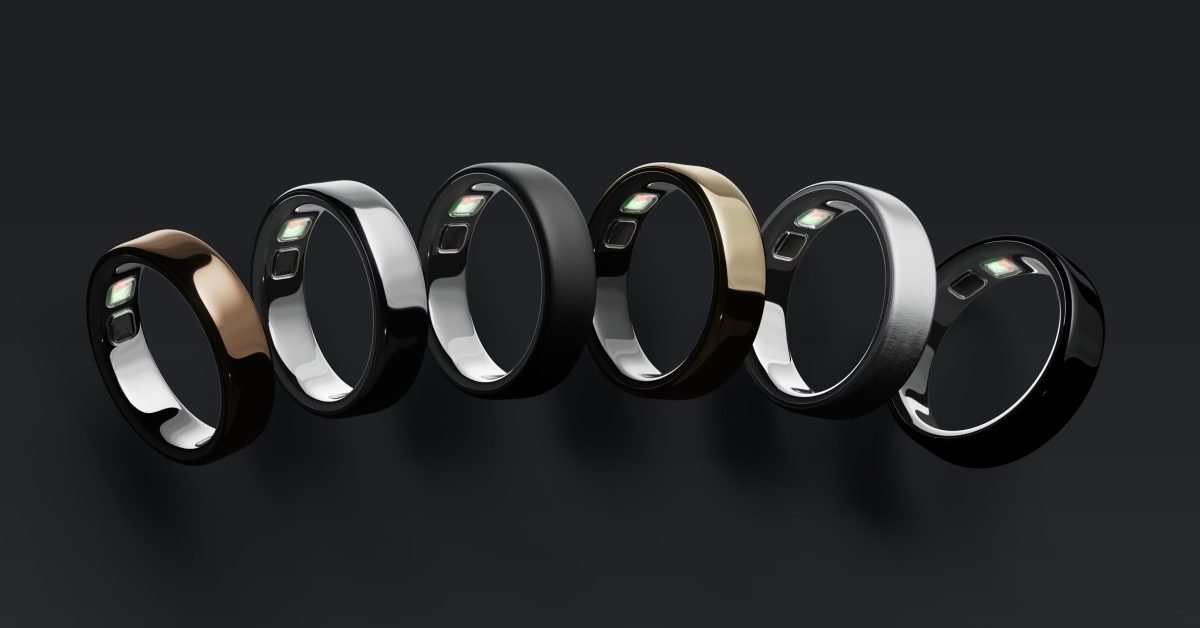
Oura unveiled its fifth‑generation smart ring on May 28, 2026. The headline change is size: the new band is 40 percent slimmer than the Ring 4, moving the device closer to the look of a traditional wedding band. Alongside the redesign, Oura introduced a suite of health‑monitoring tools, most notably continuous nighttime blood‑pressure detection and an expanded “Health Radar” that surfaces trends before they become problems.
Key specs and design changes
- Width: 6.09 mm (down from 7.99 mm)
- Thickness: 2.29 mm (down from 2.88 mm)
- Battery life: about 7 days, unchanged from the previous model
- Materials: black, silver, gold, stealth, brushed silver, deep rose
- Price: $399 for black/silver, $499 for premium finishes; requires an Oura Membership ($5.99 /mo or $69.99 /yr)
The reduction comes from a complete redesign of the mechanical, electrical, and optical subsystems. Oura packed more powerful LEDs and added twelve stronger signal pathways, which it says improves accuracy across a wider range of finger sizes and skin tones. The new curvature is smoother, making the ring feel like a natural extension of the finger rather than a gadget strapped on.
Health Radar and new biometric features
Nighttime Blood‑Pressure Signals
Oura’s Health Radar now runs a low‑power algorithm that watches blood‑pressure trends while you sleep. Because sleep eliminates most daytime noise—exercise, caffeine, stress—the ring can detect whether the expected nocturnal dip in pressure occurs. Persistent lack of dip is an early indicator of cardiovascular strain, and the ring will surface an alert if the pattern repeats over several nights.
Nighttime Breathing
A companion metric tracks breathing regularity and disturbances across a rolling 30‑day window. Users see a simple visual card that flags significant changes, with guidance on whether a professional evaluation might be needed. This builds on the existing nightly breathing regularity card but adds longer‑term context.
Symptom Radar upgrade
The original Symptom Radar highlighted occasional spikes in temperature, heart‑rate variability, or resting heart rate. Health Radar expands that to include the new blood‑pressure and breathing signals, creating a more holistic view of how the body is coping during rest.
Ecosystem integration and AI‑enabled care
Oura announced a partnership with Counsel Health, an on‑demand care platform. The integration brings AI‑driven triage directly into the Oura app, allowing users to start a virtual visit when Health Radar flags a concern. In parallel, the Health Records feature lets members import clinical data (lab results, doctor notes) so the ring’s algorithms can compare wearable trends against medical history.
A new GLP‑1 Insights screen aggregates medication data for users on GLP‑1‑based weight‑loss or diabetes treatments, showing how dosage changes line up with sleep quality, heart‑rate variability, and the new blood‑pressure metrics.
What this means for the smart‑ring market
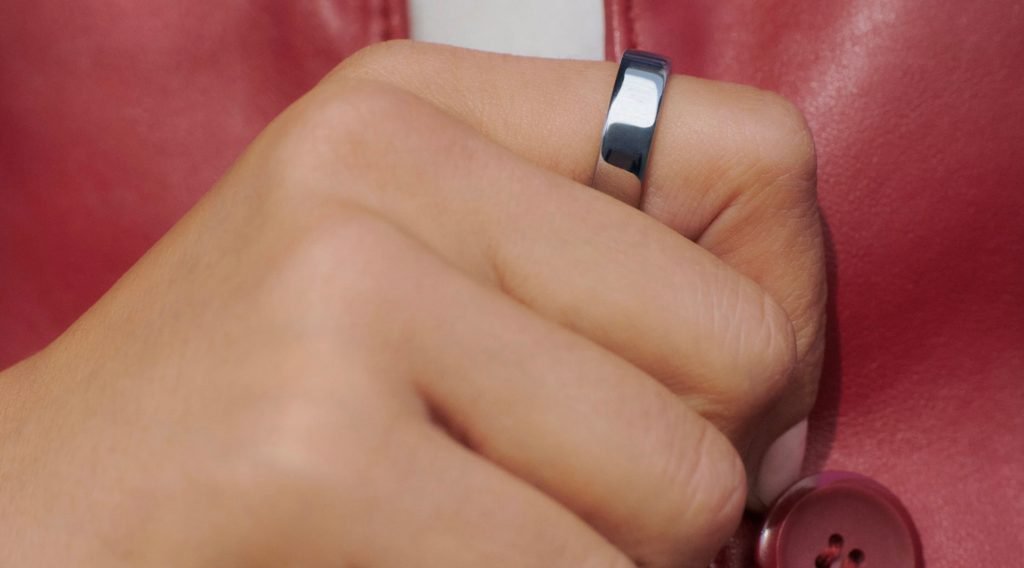
The size reduction directly addresses one of the most common criticisms of earlier Oura models: the ring felt bulky for everyday wear, especially on smaller fingers. By moving the silhouette closer to a conventional band, Oura widens its appeal beyond fitness enthusiasts to users who want discreet health monitoring.
The addition of nighttime blood‑pressure tracking puts the Ring 5 in a niche that previously required a cuff‑based monitor or a dedicated smartwatch. While the Apple Watch Series 11 still leads in on‑wrist blood‑pressure research, the ring’s passive, cuff‑free approach offers a compelling alternative for people who dislike wrist‑worn devices.
Finally, the AI‑enabled care partnership signals a shift from pure data collection toward a more service‑oriented model. If the integration proves smooth, Oura could become a gateway to tele‑health, similar to how some smartwatch platforms now bundle virtual‑visit subscriptions.
Bottom line
Oura Ring 5 delivers a noticeable size cut, maintains a week‑long battery, and layers in advanced health monitoring that was previously the domain of larger wearables. For users who value a low‑profile device and want continuous insight into blood‑pressure and breathing patterns, the Ring 5 is a strong contender. Its success will hinge on how well the Health Radar alerts translate into actionable health outcomes and whether the AI‑care partnership delivers a seamless experience.
Comments
Please log in or register to join the discussion