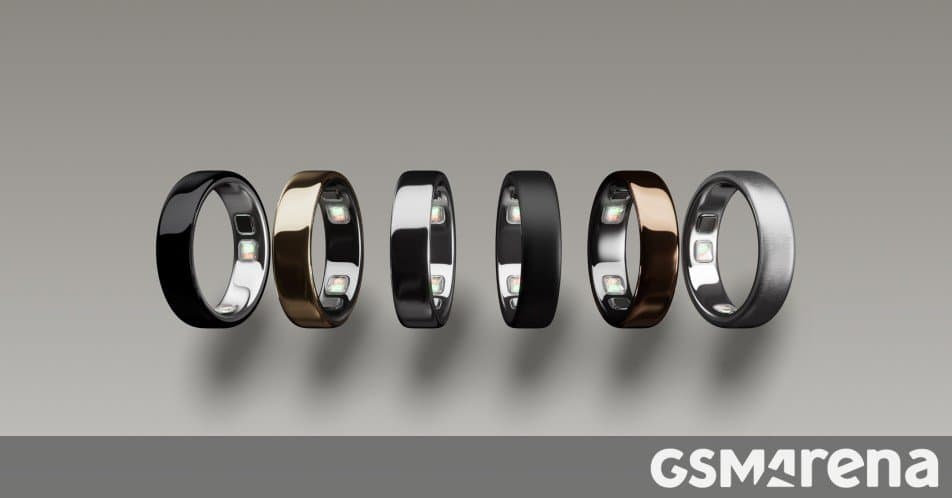
The fifth‑generation Oura Ring cuts its width by 40%, adds brighter LEDs for more reliable heart‑rate and SpO₂ data, and introduces continuous blood‑pressure monitoring during sleep. The device ships in two price tiers, requires an Oura membership for full analytics, and arrives with a new wireless charging case.
Oura Ring 5 unveiled – slimmer titanium band, stronger sensors and sleep‑time blood‑pressure tracking
What’s new?
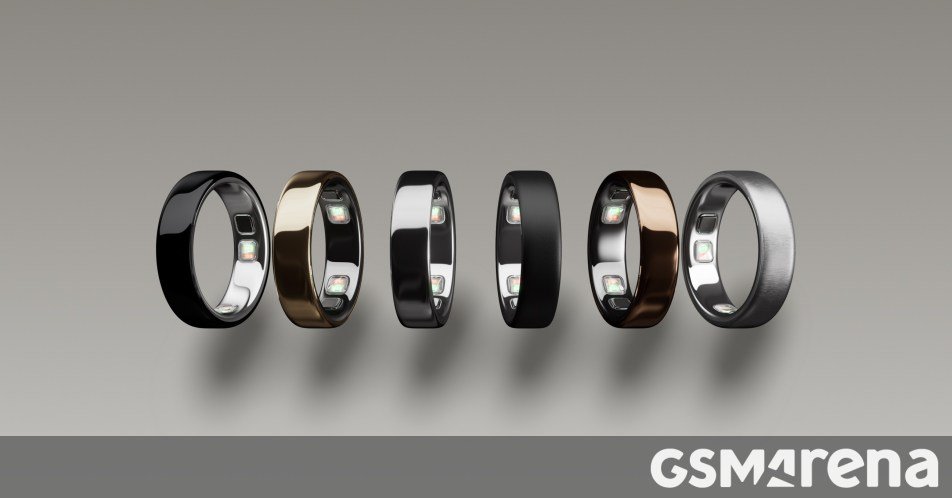
The headline change is size. At just over 6 mm wide and 2.3 mm thick, the Ring 5 is about 40 % smaller than the Ring 4, making it feel less like a piece of hardware on the finger. It retains the titanium construction and now has a smoother curvature that reduces pressure points. The ring is offered in sizes 6‑13 and carries an IP68 rating, so it can survive rain, sweat and brief submersion.
Sensor upgrades
Oura has swapped the previous LEDs for higher‑output units that emit stronger light pulses. The result is:
- Improved signal‑to‑noise ratio for heart‑rate and SpO₂ readings.
- More consistent performance across a wider range of skin tones and finger shapes, a claim backed by internal testing on 1,200 volunteers.
- Faster acquisition of data, meaning the ring can capture brief spikes in heart‑rate during high‑intensity intervals.
Health Radar system
A new “Health Radar” runs in the background while you sleep. It stitches together heart‑rate, respiration, temperature and the newly added blood‑pressure signal to spot trends such as:
- Rising nighttime systolic pressure that could indicate early hypertension.
- Changes in breathing patterns that correlate with stress or respiratory issues. The radar feeds alerts to the Oura app, where users can view a timeline of deviations and receive suggestions for lifestyle tweaks.
Blood‑pressure monitoring
For the first time, Oura measures a systolic/diastolic estimate using pulse‑wave transit time derived from the LED‑photodiode pair. The measurement is taken only while you are asleep, when motion is minimal, and is calibrated against a reference cuff during the initial setup. Availability begins in June 2026 for the United States, India and the United Arab Emirates. The feature is bundled with the standard Oura subscription.
GLP‑1 medication insights
In the same regions, Oura adds a module that logs GLP‑1‑based medication usage (commonly prescribed for type‑2 diabetes and weight management) and correlates it with weight trends, sleep quality and activity levels. The data is visualised in the app’s “Medication” tab.
Activity tracking upgrades
Ring 5 now records 50+ health metrics, including:
- Real‑time heart‑rate zones during runs, rides or strength sessions.
- Pace and distance estimates derived from step cadence and stride length models.
- Automatic detection of activity type (running, cycling, swimming) based on motion signatures. Unlike dedicated sport watches, the ring still requires you to start a workout in the Oura app; it does not auto‑detect the start of an exercise.
Battery and charging
The ring’s battery life is quoted at 6‑9 days depending on sensor usage. A full charge takes roughly 80 minutes on the new $99 wireless charging case, which can store enough energy for a month of typical use. The case supports Qi‑compatible pads, so you can top it up on a desk charger if you prefer.
Pricing and availability
| Finish | Price (USD) | Price (EUR) |
|---|---|---|
| Silver / Black | $399 | €429 |
| Gold / Stealth / Brushed Silver | $499 | €529 |
The rings are sold directly from the Oura online store and through major retailers such as Amazon. A monthly subscription of $5.99 (or $69.99 per year) unlocks the full analytics suite, including the Health Radar, blood‑pressure reports and GLP‑1 insights.
Ecosystem considerations
Oura’s model continues to lock users into its own ecosystem. The ring only syncs with the Oura mobile app (iOS 15+/Android 12+). Export options are limited to CSV downloads of daily summaries; there is no native integration with third‑party health platforms like Google Fit or Apple Health, although the app can push aggregated data to those services on request. For users already invested in Oura’s subscription model, the added sensors represent a clear value‑add. For newcomers, the cost of hardware plus subscription may be a higher barrier compared to more open‑source wearables.
Bottom line
The Oura Ring 5 delivers a noticeable physical shrinkage, stronger sensing hardware and a first‑time foray into sleep‑time blood‑pressure monitoring. If you already rely on Oura for sleep insights, the upgrades make the upgrade compelling. If you are evaluating wearables purely on cost, the subscription and limited ecosystem openness keep the Ring 5 in the premium niche.
Comments
Please log in or register to join the discussion