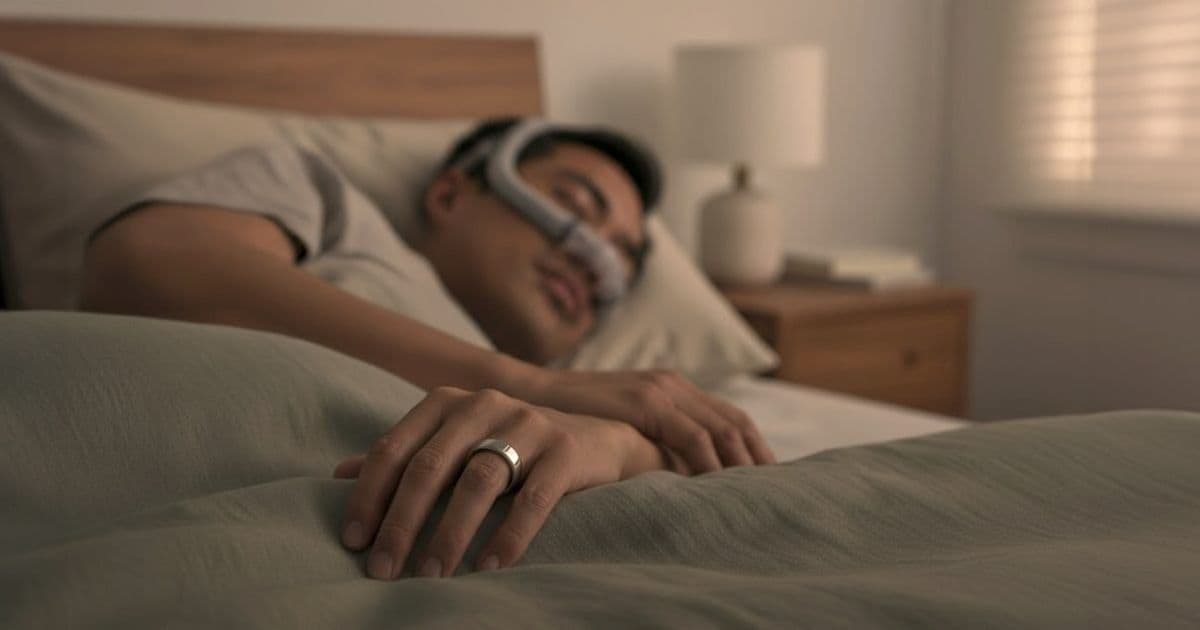
The latest Oura Ring update lets the device not only flag possible obstructive sleep apnea but also guide users to virtual or in‑person care through a new ResMed integration, expanding the health ecosystem for wearables in the US.
New Oura Ring feature rolls out for US users
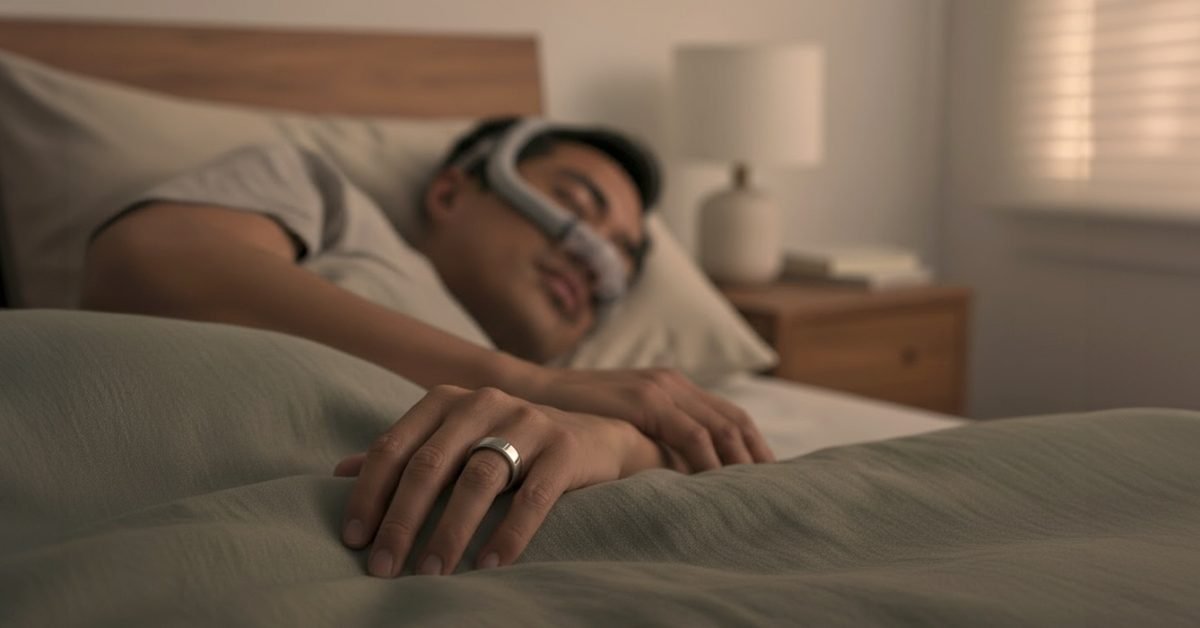
The third‑ and fourth‑generation Oura Ring now includes a built‑in referral flow for obstructive sleep apnea (OSA). After the ring’s sensors detect irregular breathing patterns that match OSA criteria, the app presents three options: a short educational primer, a direct connection to a ResMed‑affiliated clinician, and a printable guide for conversations with a personal doctor. The service is limited to the United States and requires an active Oura subscription.
Why the change matters for developers and health‑tech partners
Oura’s hardware already reports respiration rate and peripheral oxygen saturation (SpO₂) to its cloud backend. The new workflow adds a thin API layer that pushes a risk flag to the mobile SDK, which then triggers the in‑app UI. For developers building on top of the Oura platform, the change introduces two notable considerations:
- Version gating – The referral UI is only available on firmware 1.12.0+ and the iOS 17 / Android 14 SDKs. Apps targeting older rings must continue to show the generic “consult a doctor” message.
- Data privacy – The risk flag is classified as sensitive health data under HIPAA. Oura now requires developers to enable the
OuraHealthDataentitlement and to store the flag in an encrypted container on the device.
The partnership also opens a new revenue stream for third‑party health services. ResMed’s endpoint expects a JSON payload containing the user’s anonymized ring ID, timestamped respiration metrics, and the calculated apnea‑hypopnea index (AHI) estimate. Documentation for the endpoint can be found in the ResMed Integration Guide.
Migration steps for existing Oura‑based apps
If your app already consumes Oura’s sleep data, follow these steps to support the new referral flow:
- Update the SDK – Pull version 2.3.0 of the Oura Mobile SDK from the official repo. The release notes list the new
OuraSleepApneaRiskenum. - Add the entitlement – In Xcode, add
OuraHealthDatato theEntitlements.plist. For Android, include<uses-permission android:name="android.permission.READ_HEALTH_DATA"/>in the manifest. - Handle the risk flag – Implement the delegate method
onApneaRiskDetected(riskLevel:). Present the three options UI supplied by Oura, or fall back to a custom screen if you prefer a branded experience. - Test on supported hardware – Use a third‑generation ring with firmware 1.12.0 or later. The Oura test harness includes a simulator mode that can inject synthetic apnea events for QA.
- Monitor compliance – Oura’s compliance dashboard logs every referral request. Ensure you forward the consent receipt to ResMed’s API within 24 hours, as required by the integration agreement.
Broader impact on the wearable health ecosystem
The move signals a shift from passive data collection toward actionable care pathways. By embedding a referral mechanism directly into the consumer device, Oura reduces the friction that typically forces users to manually search for specialists. For cross‑platform developers, the pattern offers a template: sensor data → risk assessment → in‑app care navigation.
Other wearables, such as the Apple Watch, already expose similar health‑risk APIs, but Oura’s approach is unique because it couples the detection algorithm with a dedicated tele‑health partner. This could encourage more manufacturers to bundle clinical pathways into their SDKs, raising the bar for what users expect from a health‑focused device.
Ben Lovejoy is a technology writer covering consumer hardware and health tech. Follow his reporting on the intersection of wearables and medical care.
Comments
Please log in or register to join the discussion