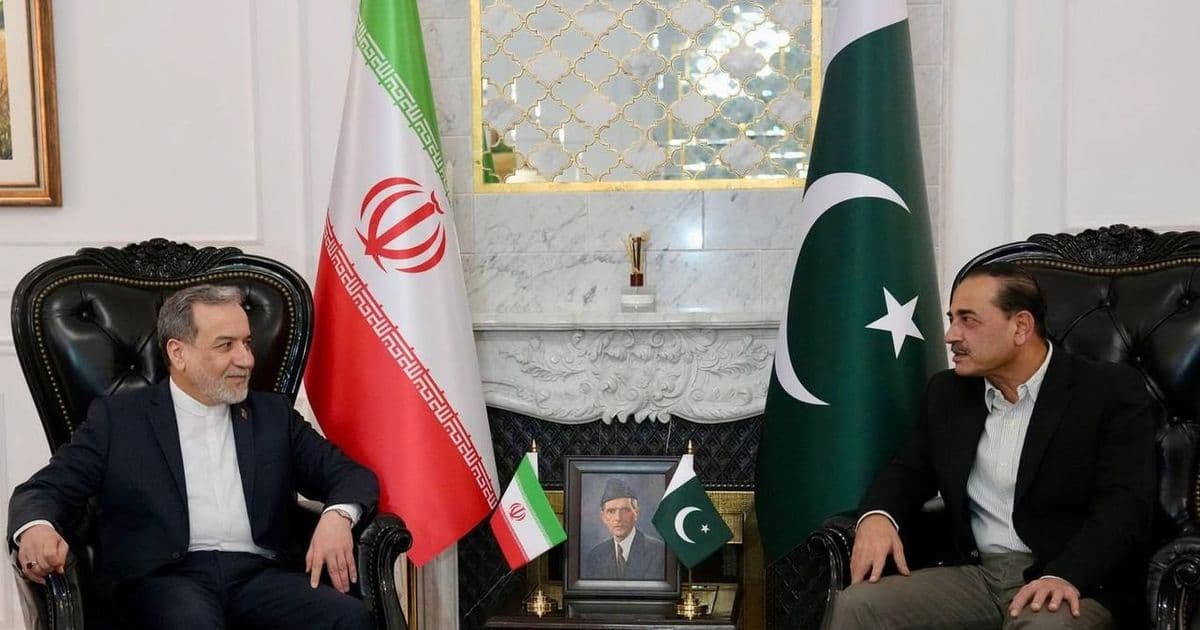
Pakistan’s chief military commander arrived in Tehran to lobby for a renewed U.S.–Iran nuclear agreement, a move that could reshape regional security dynamics and impact foreign investment flows.
Business news
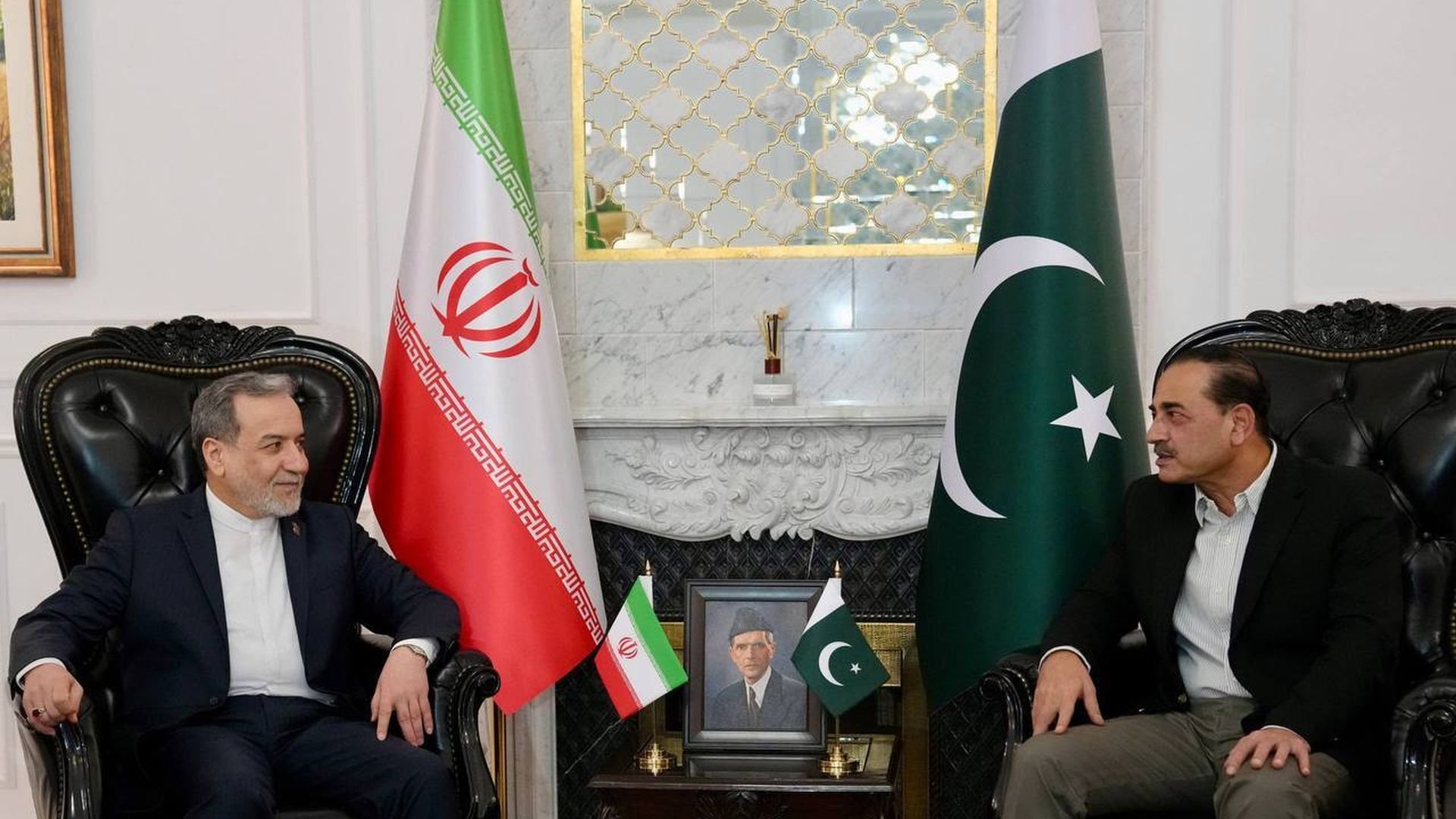
Pakistan’s Chief of General Staff, Field Marshal Asim Munir, landed in Tehran on Thursday for a three‑day diplomatic mission aimed at influencing Iran’s position in the stalled U.S.–Iran nuclear talks. The delegation, which includes senior economic advisers from the Ministry of Finance, will meet with Iranian Foreign Minister Abbas Araghchi and senior officials from the Atomic Energy Organization of Iran (AEOI).
Market context
The nuclear negotiations have been a key variable for investors in the region. When the 2015 Joint Comprehensive Plan of Action (JCPOA) was in force, Iran’s oil exports rose from roughly 2 million barrels per day (bpd) in 2014 to 3.2 million bpd in 2018, lifting the country’s export revenues by an estimated $30 billion annually. The U.S. withdrawal in 2018 and subsequent sanctions caused a sharp contraction in Iranian oil output, pushing the country’s GDP growth to a negative 2.5 % in 2020.
Renewed U.S. engagement could unlock $10‑$15 billion of foreign direct investment (FDI) in Iran’s energy and petrochemical sectors, according to a recent report by the International Monetary Fund. Pakistan, which imports roughly 20 % of its oil from Iran, stands to benefit from lower fuel costs and greater energy security. The country’s current account deficit, which widened to $8.2 billion in FY 2024, could shrink if Iranian crude returns to the market at pre‑sanctions price levels.
In parallel, the broader South Asian market is watching the talks closely. India’s energy ministry has signaled that a revived JCPOA would allow it to resume purchases of Iranian crude, which could affect global oil pricing benchmarks such as Brent and WTI. Analysts at Bloomberg estimate that a full lift of sanctions could depress Brent by 0.8‑1.2 % within six months, translating to roughly $1.5 billion in annual savings for import‑dependent economies like Pakistan and India.
What it means
Munir’s presence in Tehran signals a strategic shift for Pakistan, which has traditionally balanced its security ties with both the United States and Iran. By positioning itself as a mediator, Islamabad hopes to secure two complementary outcomes:
- Energy price stability – A successful deal would likely bring Iranian crude back into the regional supply chain at market‑based prices, helping Pakistan curb its growing fuel import bill, which currently accounts for about 30 % of total import expenditures.
- Geopolitical leverage – Acting as a conduit between Washington and Tehran could enhance Pakistan’s standing with the U.S., potentially unlocking additional security assistance. The U.S. State Department has hinted that a cooperative Pakistan could receive up to $500 million in military aid under the Foreign Military Financing (FMF) program.
However, the mission carries risks. Iran’s hardliners have repeatedly warned against external pressure, and any perception that Pakistan is pushing a U.S. agenda could strain Islamabad’s bilateral ties with Tehran. Moreover, the U.S. Congress remains divided over lifting sanctions, with the House Foreign Affairs Committee demanding stricter human‑rights benchmarks before any legislative action.
For investors, the coming weeks will be a litmus test for regional risk appetite. Companies with exposure to Iranian energy assets, such as PetroChina and Saudi Aramco, are likely to adjust their valuation models based on the probability of sanction relief. Meanwhile, Pakistani firms in the power generation sector—particularly those operating combined‑cycle plants that run on imported gas—could see earnings upgrades if Iranian natural gas pipelines are re‑energized.
In sum, Munir’s Tehran visit is more than a diplomatic courtesy; it is a calculated effort to align Pakistan’s energy security, fiscal stability, and strategic partnerships with the evolving dynamics of the U.S.–Iran nuclear dialogue. The outcome will reverberate through regional markets, influencing everything from oil price curves to the flow of U.S. security assistance to South Asia.
Comments
Please log in or register to join the discussion