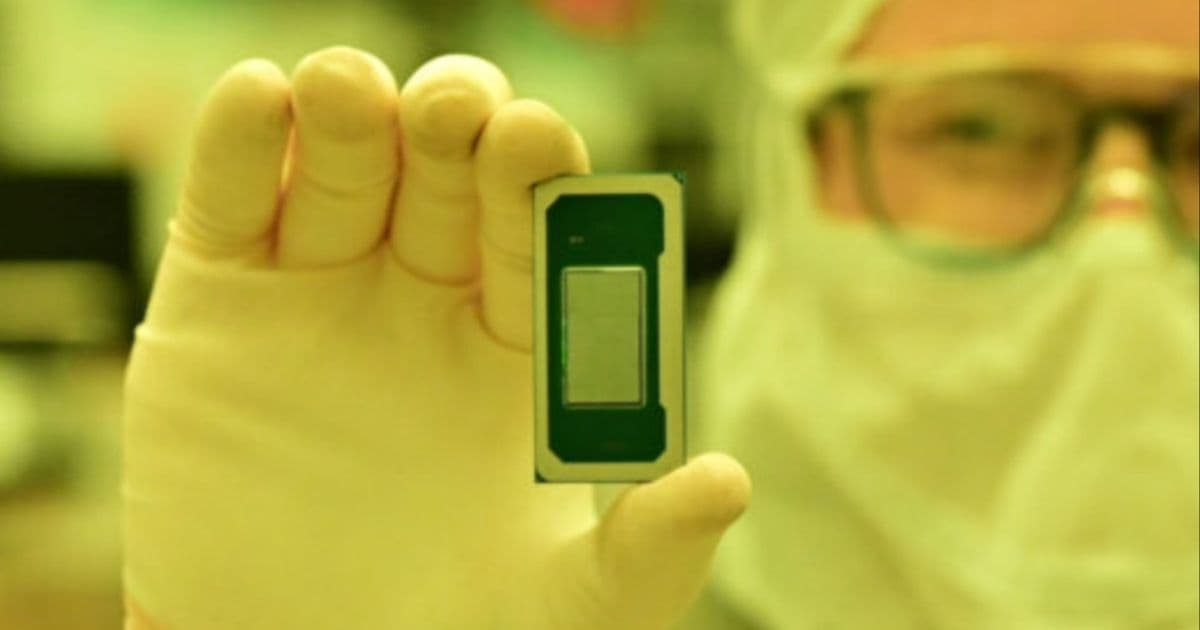
New leaks reveal Intel's Panther Lake and AMD's Canis chips will redefine handheld gaming efficiency, with the PlayStation 6 handheld potentially delivering comparable performance at half the power.
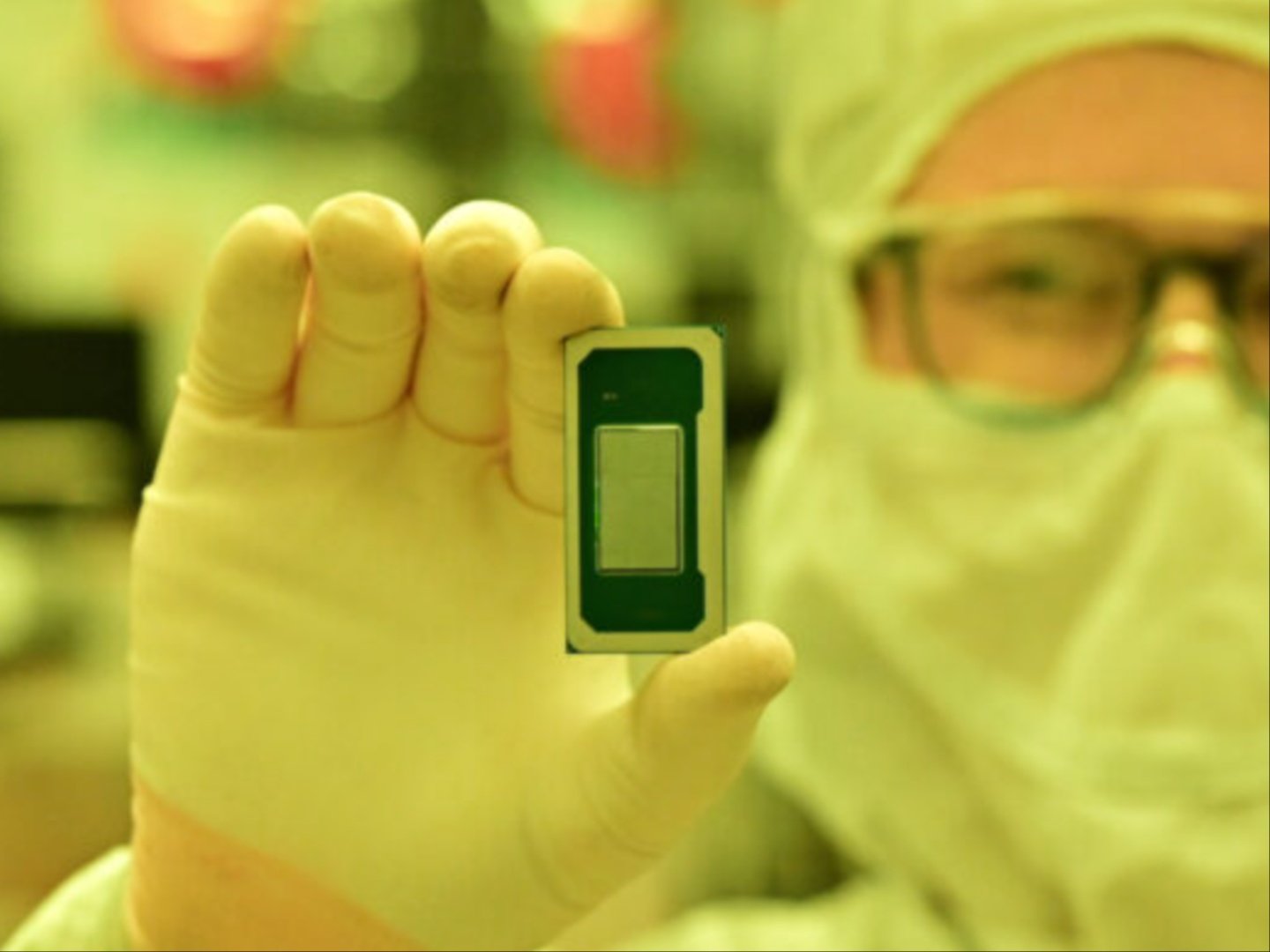
The battle for handheld gaming supremacy is heating up as leaked specifications pit Intel's upcoming Panther Lake processors against AMD's custom Canis chip designed for Sony's PlayStation 6 handheld. According to prominent hardware leaker Kepler_L2, these next-generation architectures reveal fundamentally different approaches to portable gaming performance.
Panther Lake represents Intel's strategic push into gaming handhelds, targeting mid-2026 releases. The leaked specifications suggest Panther Lake will deliver performance comparable to AMD's Canis chip but at significantly higher power consumption. Specifically, Panther Lake is projected to match the Canis chip's gaming performance at 30W that AMD achieves at just 15W. This substantial efficiency gap stems from fundamental architectural differences.
AMD's advantage comes from vertical optimization: The Canis chip operates within Sony's proprietary ecosystem running a lightweight OS specifically tuned for PlayStation 5 game compatibility. This closed-system approach allows hardware and software co-engineering impossible on Windows-based devices. Developers optimize exclusively for fixed hardware specifications, eliminating driver overhead and background processes common in PC environments.
Intel faces different challenges. Panther Lake chips will power Windows-based handhelds requiring broader compatibility across thousands of games and applications. The overhead of full desktop operating systems inevitably increases power demands. However, Intel is countering with specialized Core G3 series chips derived from Panther Lake architecture. These dedicated gaming processors feature hardware-level optimizations for common gaming workloads and reportedly deliver stable performance across the 15W-30W power range.
Performance positioning also differs significantly. According to Kepler_L2, Panther Lake occupies a crucial middle ground between AMD's existing offerings: It outperforms the Ryzen Z2 Extreme while falling short of Strix Halo's raw power. This positions Panther Lake as a versatile solution for mid-range handhelds balancing performance and battery life.
The release timeline further highlights strategic differences. Industry sources indicate Panther Lake handhelds will arrive mid-2026, giving Intel first-mover advantage. Sony's PS6 handheld isn't expected until late 2027 or early 2028, aligning with traditional console refresh cycles. This gives AMD additional development time but creates an opportunity for Intel to establish market presence.
For prospective buyers, this efficiency comparison reveals distinct product philosophies:
- PS6 Canis handhelds will likely prioritize battery life and optimized performance for PlayStation titles
- Panther Lake devices offer broader PC game compatibility at the cost of higher power consumption
- Core G3 variants may bridge the gap with gaming-specific optimizations
While final performance remains speculative, these leaks clarify the trade-offs between open-platform flexibility versus closed-system efficiency. As architectures mature through 2026-2028, thermal management and battery technology advancements could significantly alter this landscape.
Comments
Please log in or register to join the discussion