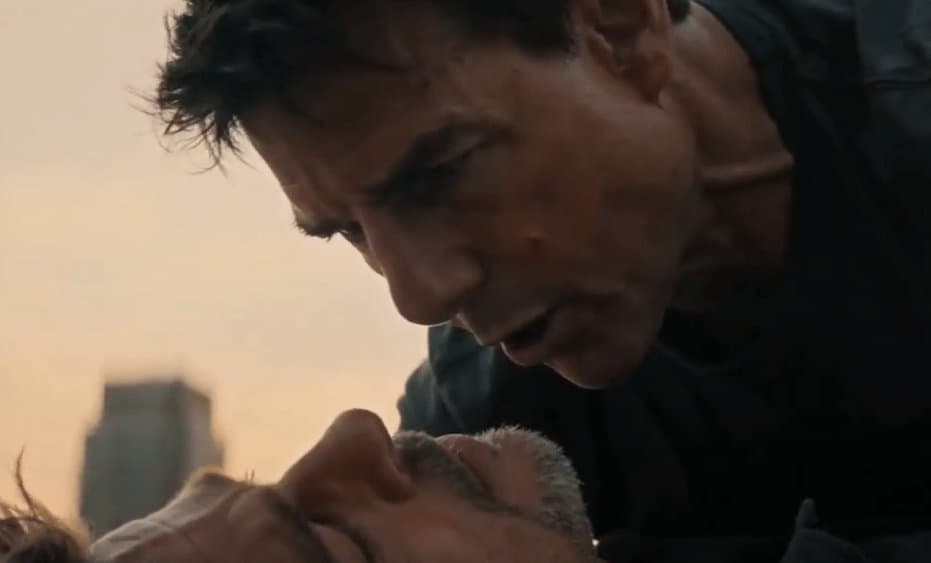
Paramount has sent a cease-and-desist letter to ByteDance, alleging its AI-generated Seedance videos and Seedream images infringe on Paramount's intellectual property, following similar action by Disney.
Following Disney's lead, Paramount has sent a cease-and-desist letter to ByteDance, alleging that the Chinese internet company's AI-generated content infringes on Paramount's intellectual property rights. The dispute centers around ByteDance's Seedance videos and Seedream images, which Paramount claims use its protected content without authorization.
The legal action comes amid growing concerns from major entertainment companies about the use of their intellectual property in AI-generated content. Disney previously sent a similar legal demand to ByteDance, setting a precedent for other media giants to follow.
ByteDance, the parent company of TikTok, has been developing AI capabilities that allow users to create videos and images using prompts. The Seedance and Seedream tools have gained popularity for their ability to generate content that sometimes resembles scenes or characters from popular movies and TV shows.
Paramount's legal team argues that these AI tools are being used to create derivative works based on the company's protected content, including scenes from its film and television library. The cease-and-desist letter demands that ByteDance immediately stop using any content that infringes on Paramount's intellectual property rights.
This legal battle highlights the growing tension between traditional media companies and AI technology firms. As AI tools become more sophisticated at generating realistic content, entertainment companies are increasingly concerned about protecting their intellectual property in the digital age.
The outcome of this case could have significant implications for the future of AI-generated content and how it interacts with existing copyright laws. It may also influence how AI companies develop their tools and what safeguards they implement to prevent the generation of content that infringes on intellectual property rights.
Industry experts suggest that this could be the beginning of a wave of similar legal actions as more companies develop AI tools capable of generating content that may resemble existing intellectual property. The entertainment industry, in particular, has been vocal about the need to protect its content from unauthorized use in AI systems.
ByteDance has not yet publicly responded to Paramount's legal action, but the company faces increasing pressure to address these concerns as it continues to expand its AI capabilities globally.
This case also raises questions about the responsibility of AI platforms in preventing the generation of potentially infringing content and the balance between innovation and intellectual property protection in the rapidly evolving AI landscape.
As the legal proceedings unfold, the tech and entertainment industries will be watching closely to see how courts interpret the application of copyright law to AI-generated content, potentially setting important precedents for future cases.
Comments
Please log in or register to join the discussion