PayPal’s venture retreat shows a payments company choosing product execution over startup scouting during a tougher fintech cycle.
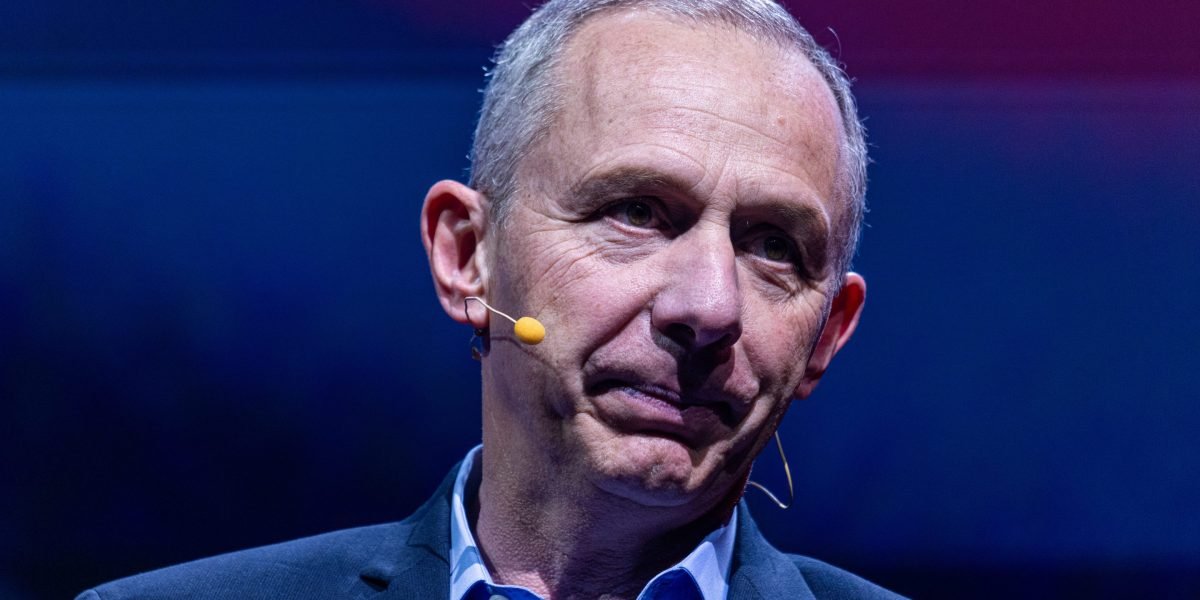
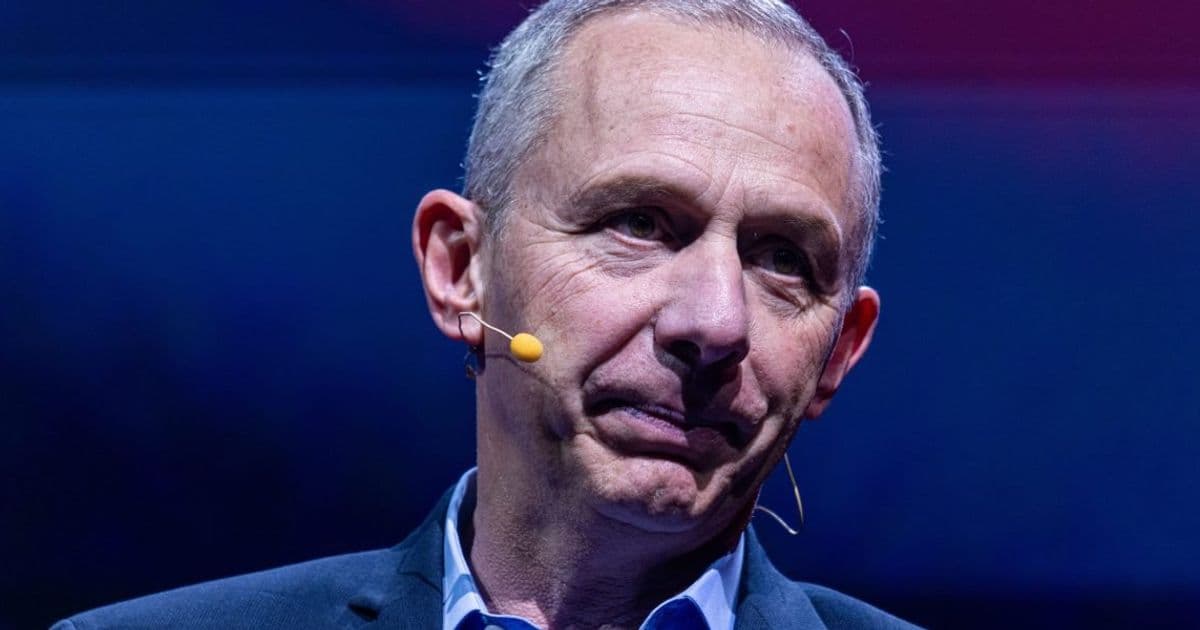
PayPal is winding down its venture arm as CEO Enrique Lores restructures the payments company and pushes resources toward core products, Fortune reported.
The move trims a side operation that gave PayPal a window into fintech, artificial intelligence, commerce tools, blockchain, cyber technology, and regulatory technology. PayPal Ventures says it has invested in more than 80 companies from three funds totaling $850 million.
Lores inherited a company with large assets and clear pressure points. PayPal still owns one of the strongest consumer payment brands on the web, plus Venmo, Braintree, Xoom, Zettle, and Honey. Investors have pressed management for faster checkout growth, cleaner execution, and stronger margins.
PayPal named Lores CEO Feb. 3, and he took over March 1, replacing Alex Chriss. The Associated Press reported at the time that PayPal’s board wanted a faster pace of change. That context matters for the venture arm because corporate venture teams serve two masters: they seek returns, and they scout products that can help the parent company.
PayPal Ventures gave founders more than capital. Its pitch centered on access to PayPal’s payments expertise, merchant network, regulatory knowledge, and brand. For a startup selling into banks, merchants, or payment platforms, that access can matter as much as a check.
The challenge comes after the investment. A corporate venture arm creates value when business units use its insight. If product teams do not partner with portfolio companies, adopt their tools, or learn from their markets, the venture team turns into a financial investor with extra overhead.
Lores appears to want fewer such side paths. PayPal needs to defend branded checkout, modernize merchant services, grow Venmo revenue, and decide how much capital to put behind AI-driven commerce. A venture arm can help with those goals, but it can also spread executive attention across minority stakes that take years to mature.
Fintech founders will read the retreat in two ways. Some will see a weaker strategic investor market. Corporate venture checks have helped payments and commerce startups validate products, reach customers, and attract later investors. Fewer checks from PayPal could push founders toward traditional venture firms or strategic partners such as Visa, Mastercard, Stripe, Block, Shopify, or banks.
Other founders may see a cleaner signal. PayPal can still buy companies, sign partnerships, and integrate products without running a stand-alone venture operation. A focused corporate development team can move faster than a venture team when executives know the target fits a product need.
The counterargument favors patience. Payments companies need outside views because fraud, identity, checkout, stablecoins, and agentic commerce change through startups before large platforms absorb them. PayPal Ventures’ focus areas matched many of the places PayPal must watch. Cutting that team may save money, but it may also reduce PayPal’s early look at tools that could reshape checkout and merchant software.
Corporate venture arms also carry relationship value. Founders talk to each other. A strong venture team can make a large company feel open to startups, even when procurement, legal review, and security checks slow deals. PayPal built that bridge over years.
Lores can still preserve the useful parts. PayPal can keep portfolio relationships, route technical diligence to product leaders, and reserve acquisition budgets for companies that solve near-term problems. The company can also use the PayPal developer platform as a better signal source than venture deal flow. Developers show where integration demand exists by building on the APIs.
The venture wind-down fits a broader fintech reset. Public investors have rewarded profitability and punished companies that spend for optionality without clear growth. Corporate executives now face a direct question: Will this team help the next product ship, or will it produce insight that nobody uses?
PayPal’s answer under Lores appears blunt. The company wants execution closer to the payments surface, where customers check out, merchants accept payments, and developers connect software to PayPal’s network.
Comments
Please log in or register to join the discussion