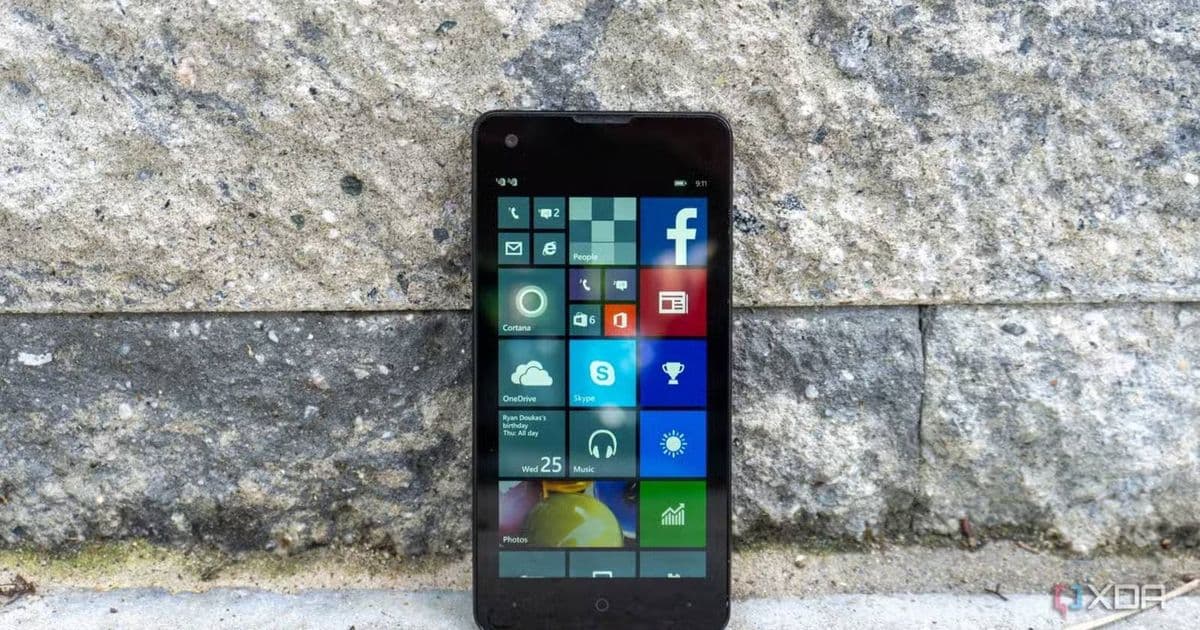
Despite being discontinued nearly a decade ago, Windows Phone continues to thrive through community efforts, with its unofficial app store receiving updates that modernize the experience for dedicated fans.
Nine years after Microsoft officially abandoned Windows Phone, the operating system refuses to die. The latest evidence of this enduring passion comes from 8Marketplace, an unofficial app store that continues to receive updates, bringing new functionality to devices that were once considered obsolete.
The Rise and Fall of Windows Phone
Windows Phone entered the mobile market with a distinctive interface and philosophy that set it apart from iOS and Android. With its live tiles, hub-centric design, and emphasis on typography, it offered a user experience unlike anything else available at the time. While it never achieved market dominance comparable to its competitors, it cultivated a fiercely loyal user base who appreciated its design principles and unique approach to mobile computing.
Microsoft's mobile efforts peaked with Windows Phone 8.1, which introduced features like the Action Center, Cortana integration, and improved app ecosystem. However, the platform struggled with app developer support, with many major services either releasing subpar apps or skipping the platform entirely. Despite efforts to turn things around with Windows 10 Mobile, Microsoft officially announced the end of life for Windows Phone in 2017, effectively conceding the mobile market to its competitors.
The Void After Official Support
When Microsoft discontinued Windows Phone, it didn't just stop developing the operating system—it also shut down the official Windows Phone Store in 2019. This left existing users without a way to acquire new applications or update existing ones, effectively rendering their devices frozen in time. For many, this was the final nail in the coffin, but for others, it was a call to action.
The absence of official support created a significant challenge for remaining Windows Phone users. Without access to new apps and security updates, their devices became increasingly impractical for daily use. Yet, the community refused to let the platform disappear without a fight. This determination eventually led to the creation of 8Marketplace, a community-driven solution that would breathe new life into these "obsolete" devices.
8Marketplace: A Community Lifeline
8Marketplace emerged as a response to the void left by Microsoft's abandonment. This unofficial app store serves multiple critical functions for Windows Phone users:
- App Distribution: Providing access to applications that are no longer available through official channels
- App Patcher: Modifying existing apps to work with newer services and platforms
- Community Hub: Creating a space for developers and users to share modifications and improvements
The technical achievement behind 8Marketplace cannot be understated. Reverse engineering the Windows Phone app ecosystem, creating distribution mechanisms outside of Microsoft's infrastructure, and maintaining compatibility across different device versions required significant expertise and dedication. The community behind this project has essentially created a parallel app ecosystem that exists entirely outside of Microsoft's control.
Recent Updates: Breathing New Life into Old Devices
The latest updates to 8Marketplace demonstrate the ongoing innovation happening within the Windows Phone community. Two significant improvements highlight the project's relevance in today's technological landscape:
TweetIt and Bluesky Integration
One of the most notable updates involves TweetIt, a third-party Twitter client for Windows Phone. With Twitter's evolution and eventual acquisition by Elon Musk, many third-party Twitter clients have struggled to maintain functionality. The 8Marketplace team has successfully patched TweetIt to work with Bluesky, the decentralized social media platform that emerged from Twitter's original open-source roots.
This integration is significant for several reasons:
- It extends the useful lifespan of Windows Phone devices by enabling access to modern social platforms
- It demonstrates the community's ability to adapt to changing technological landscapes
- It provides Windows Phone users with an experience similar to what's available on more modern platforms
Facebook to Argim Integration
Another important update involves modifying Facebook links to redirect to Argim, a web-based interface for the Facebook mobile website. This addresses the long-standing issue of the official Facebook app being abandoned by Meta (formerly Facebook) years ago. While not a perfect replacement for a native app, Argim provides a functional way for Windows Phone users to access Facebook services.
These updates highlight a pattern: the Windows Phone community isn't just preserving the past—they're actively adapting it to present needs. By patching apps to work with modern services and creating workarounds for abandoned applications, they're ensuring that Windows Phone remains usable in an era when it should have been completely obsolete.
Technical Challenges of Maintaining an Abandoned Platform
Keeping Windows Phone functional in 2026 presents numerous technical challenges that the 8Marketplace team must constantly address:
App Compatibility
As web technologies and app development practices evolve, older apps may break or become incompatible. The 8Marketplace team must constantly:
- Update app dependencies to work with modern web standards
- Modify apps to handle changes in authentication mechanisms
- Address security vulnerabilities that emerge in older codebases
Device Limitations
Windows Phone devices, particularly those running Windows Phone 8.1, have hardware limitations that become more pronounced over time:
- Limited storage capacity compared to modern devices
- Older processors that struggle with modern web applications
- Battery degradation that reduces practical usage time
The community must balance maintaining compatibility with these older devices while providing functionality that meets modern expectations.
Security Considerations
Without official security updates from Microsoft, Windows Phone devices become increasingly vulnerable over time. The 8Marketplace team must:
- Implement security patches for known vulnerabilities
- Educate users about security best practices for an unsupported platform
- Be cautious about the apps they distribute to avoid introducing additional security risks
The Cultural Significance of Windows Phone's Persistence
The continued existence of Windows Phone and its community-run app store speaks to something deeper than mere nostalgia. It reflects several important cultural and technological phenomena:
The Power of Community
In an era where technology is increasingly dominated by large corporations and closed ecosystems, the Windows Phone community demonstrates the power of grassroots efforts. By working together, enthusiasts have preserved access to technology that corporations deemed obsolete. This stands in contrast to the planned obsolescence common in the tech industry, where devices are often encouraged to become outdated to drive new purchases.
Alternative Design Philosophies
Windows Phone's distinctive interface and design philosophy offered an alternative to the dominant iOS and Android paradigms. Its hub-centric approach and emphasis on information density provided a different way of interacting with mobile devices. The community's efforts to keep it alive preserve this alternative vision of what mobile computing could be.
The Right to Repair and Modify
The Windows Phone community embodies the principles of the right to repair and modify digital products. By reverse engineering the platform, creating distribution mechanisms, and patching applications, they're asserting control over their devices rather than accepting the manufacturer's decision to abandon them. This has implications for broader conversations about digital ownership and the ability to maintain older technology.
The Future of Windows Phone
While it's unlikely that Windows Phone will ever regain mainstream relevance, the community's efforts ensure it will continue to exist as a niche platform. Several factors will influence its future trajectory:
Developer Interest
The continued involvement of developers will be crucial to Windows Phone's survival. As long as there are programmers willing to contribute to 8Marketplace, create new apps, and maintain existing ones, the platform will remain functional. The recent updates suggest that developer interest remains strong, but this could change over time as the user base continues to shrink.
Device Longevity
The physical lifespan of Windows Phone devices will eventually limit the platform's usability. As devices fail and become unavailable, the user base will continue to decline. However, with proper care and maintenance, many devices could remain functional for years to come.
Broader Technology Trends
The future of Windows Phone will also be influenced by broader technology trends. If there's a backlash against the dominance of iOS and Android, or if renewed interest in alternative design philosophies emerges, Windows Phone could see a resurgence of interest. Similarly, if the right to repair movement gains momentum, the principles embodied by the Windows Phone community could become more widely accepted.
Lessons from Windows Phone's Afterlife
The story of Windows Phone and 8Marketplace offers several valuable lessons for the technology industry:
The Importance of Community Support
Microsoft's decision to abandon Windows Phone demonstrates the risks of discontinuing products without adequate support for existing users. Companies should consider the long-term implications of their decisions and potentially provide tools or documentation to enable community maintenance.
Value of Alternative Ecosystems
The persistence of Windows Phone highlights the value of having multiple, diverse technology ecosystems. When one platform dominates, innovation can stagnate. Alternative approaches, even if they don't achieve market dominance, can push the entire industry forward.
Longevity in Technology Design
The Windows Phone community's ability to keep the platform alive suggests that technology designed with modularity, openness, and community support in mind can have longer lifespans than products designed with planned obsolescence in mind.
Conclusion
Nearly a decade after Microsoft officially abandoned Windows Phone, the platform continues to thrive through community efforts. 8Marketplace and similar projects represent more than just nostalgia—they demonstrate the power of community to preserve access to technology and maintain alternative visions of digital experiences.
The recent updates to 8Marketplace, including TweetIt's integration with Bluesky and Facebook's redirection to Argim, show that this isn't merely about preserving the past. The Windows Phone community is actively adapting the platform to modern needs, ensuring that these devices remain functional in an era when they should have been completely obsolete.
As technology continues to evolve, the story of Windows Phone offers an important reminder that the relationship between users and their devices doesn't end when the manufacturer stops supporting them. With dedication, creativity, and community cooperation, technology can continue to serve long after its official expiration date.
For those interested in exploring Windows Phone or contributing to its preservation, resources like Windows Phone Central and the XDA Developers Windows Phone forum provide valuable information and community connections.
Comments
Please log in or register to join the discussion