
Phone-free dining establishments are experiencing growing popularity as Americans seek authentic social connections away from digital distractions, with venues reporting increased customer satisfaction and longer visits.
Phone-free restaurants and bars are gaining significant traction across the United States as more Americans embrace the concept of disconnecting from digital devices to foster genuine human connections. This emerging trend reflects a broader cultural shift toward valuing offline experiences in an increasingly connected world.
The Rise of Phone-Free Establishments
Several restaurants and bars nationwide have implemented strict no-phone policies, requiring patrons to surrender their devices upon entry or keep them stored away during their visit. These establishments report that customers initially express hesitation but ultimately appreciate the opportunity to engage more deeply with their companions and surroundings.
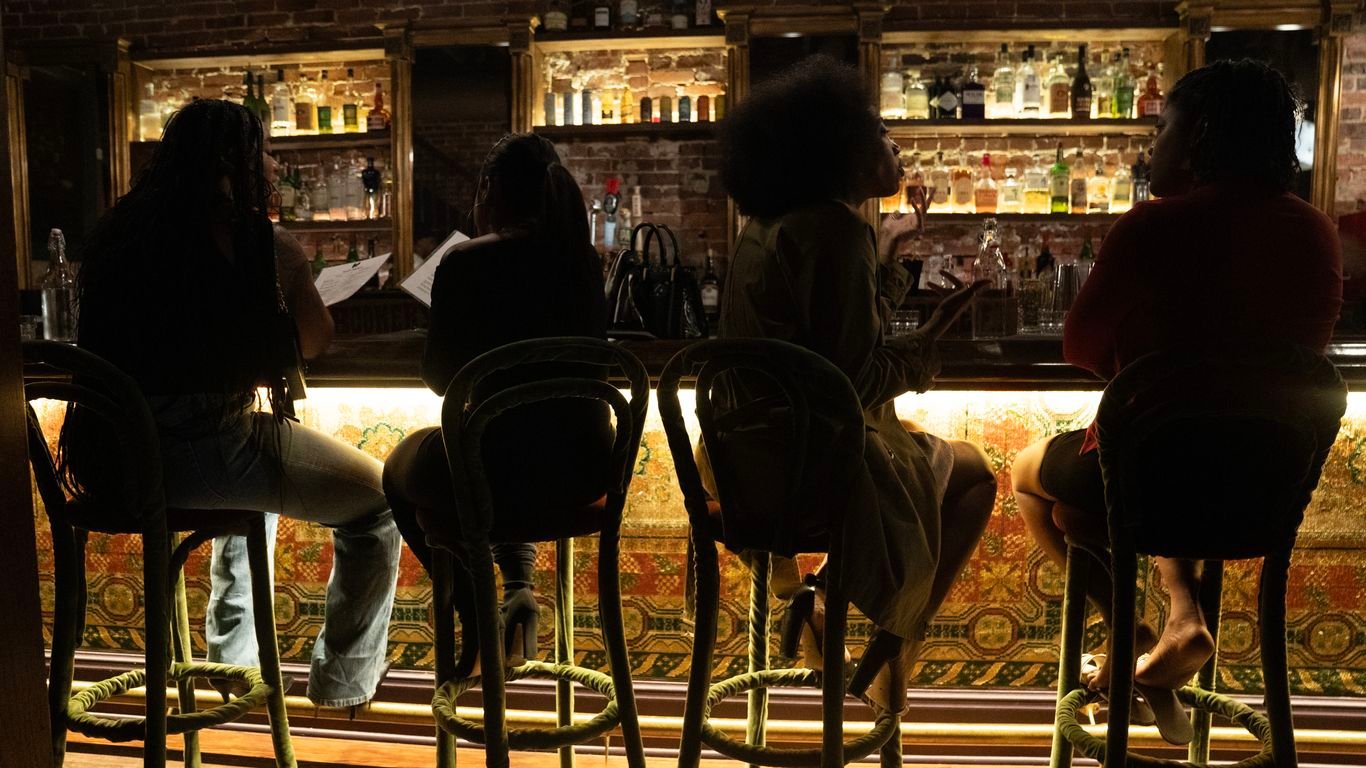
One notable example is Hush Harbor in Washington, D.C., which has gained attention for its phone ban policy. According to reports, patrons at Hush Harbor and similar venues experience more meaningful conversations and report feeling more present during their dining experiences.
Market Response and Customer Reception
The response from customers has been largely positive, with many expressing relief at having a legitimate excuse to disconnect from work emails, social media notifications, and the constant barrage of digital information. Restaurant owners report that phone-free policies often lead to longer customer visits and increased food and beverage orders, as patrons are more focused on their dining experience rather than documenting it for social media.
Industry analysts suggest that this trend aligns with growing consumer demand for authentic experiences and digital wellness. The National Restaurant Association has noted an increase in establishments adopting phone-free policies, particularly in urban areas where digital saturation is highest.
Business Implications and Industry Impact
For restaurant and bar owners, implementing phone-free policies presents both opportunities and challenges. While some establishments have seen increased customer satisfaction and longer dwell times, others worry about potential resistance from younger demographics who are accustomed to constant connectivity.
The trend has also sparked innovation in the hospitality industry, with some venues developing creative solutions for phone storage and security. Others have embraced the concept as a unique selling proposition, marketing themselves as sanctuaries from digital overload.
Cultural Context and Broader Trends
This movement toward phone-free dining spaces is part of a larger cultural conversation about digital wellness and the impact of constant connectivity on mental health and social relationships. Mental health professionals have long advocated for designated phone-free times and spaces as a means of reducing anxiety and improving interpersonal connections.
The trend also reflects a growing backlash against the performative nature of social media, where dining experiences are often curated for online audiences rather than enjoyed in the moment. Phone-free establishments offer a return to the traditional purpose of restaurants and bars as spaces for genuine social interaction.
Future Outlook
As the phone-free dining trend continues to gain momentum, industry experts predict that more establishments will adopt similar policies, particularly as younger generations become more aware of the benefits of digital disconnection. Some analysts suggest that phone-free dining could become a distinguishing feature for restaurants and bars seeking to differentiate themselves in an increasingly competitive market.
The success of phone-free establishments may also influence other sectors of the hospitality industry, potentially leading to phone-free hotels, spas, and entertainment venues. This could represent a significant shift in how businesses approach customer experience in the digital age.
Economic Considerations
From an economic perspective, phone-free policies can impact restaurant operations in various ways. Some establishments report increased sales of premium cocktails and shared plates, as patrons are more engaged with their dining companions and less focused on documenting their meals. Others have found that phone-free policies reduce table turnover rates, allowing for more relaxed dining experiences and potentially higher per-customer revenue.
However, the trend also presents challenges for marketing and customer acquisition. Restaurants must balance the appeal of phone-free experiences with the reality that many customers discover new dining establishments through social media. Some venues have addressed this by designating specific areas or times for phone use, creating a hybrid model that accommodates both preferences.
Technology's Role in the Movement
Ironically, technology itself is playing a role in facilitating the phone-free dining movement. Some establishments use apps to manage phone storage and retrieval, while others employ signal-blocking technology to create phone-free zones. This technological paradox highlights the complex relationship between digital tools and the desire for disconnection.
As this trend continues to evolve, it will be interesting to observe how restaurants and bars balance the benefits of phone-free policies with the realities of operating in a digitally connected world. The success of these establishments suggests that many consumers are willing to trade digital convenience for more meaningful social experiences, potentially signaling a significant shift in consumer behavior and expectations.
Comments
Please log in or register to join the discussion