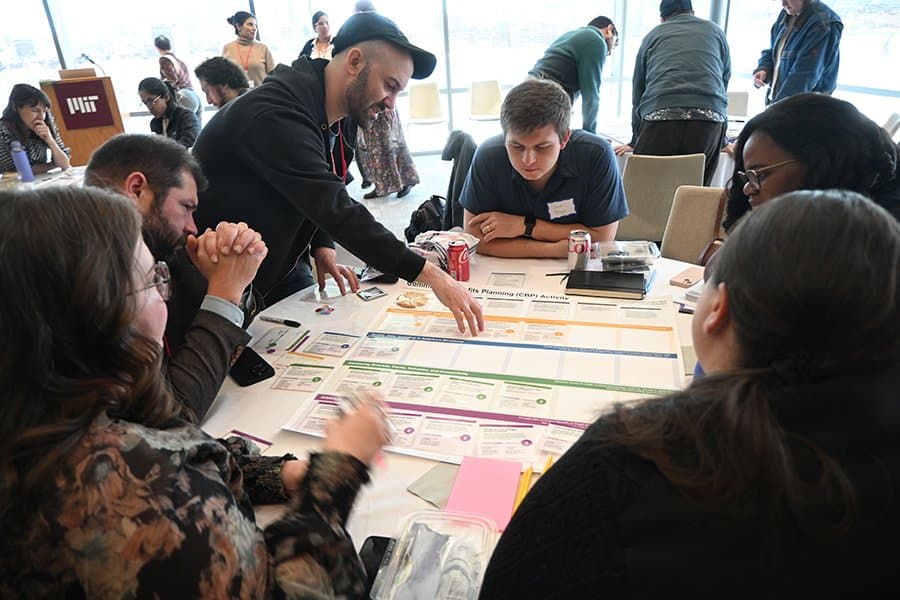
MIT’s Living Climate Futures (LCF) symposium gathered researchers, students, and frontline community groups to explore how climate challenges and solutions differ across places, from data‑center debates in Pennsylvania to urban farms in Boston and pastoral adaptations in Mongolia.
MIT’s Living Climate Futures Symposium Shows How Local Context Shapes Climate Action
The second Living Climate Futures (LCF) symposium took place on the MIT campus from April 23‑25, 2026, just after Earth Day. Organized by the MIT Human Insight Collaborative (MITHIC) and housed in the School of Humanities, Arts and Social Sciences, the event brought together more than 20 faculty members, graduate students, and community partners to discuss climate impacts that are felt in everyday life.
A research hub built on place‑based collaboration
LCF is a multi‑disciplinary network that pairs MIT scholars with frontline organizations in settings as diverse as New England towns, Mongolian grasslands, and Appalachian mining regions. Its goal is to generate knowledge that respects local histories, economies, and cultural values while still addressing the global urgency of net‑zero emissions by 2050. As anthropology professor Heather Paxson explained in the opening remarks, the symposium was designed to surface the structural causes and social effects of climate change as they appear in specific neighborhoods.
From Data Centers to Community Health in Western Pennsylvania
One of the most striking sessions examined proposals to locate a large data center in Greene County, a region already burdened by coal mining, fracking, and legacy oil wells. Community organizer Nicholas Hood of the Center for Coalfield Justice described rising rates of asthma, lymphoma, and water contamination linked to existing extractive activities. He asked participants to consider whether adding a data‑intensive facility—often powered by diesel generators and water‑based cooling—would exacerbate those health risks.
Technical approach: A postdoctoral researcher from Harvard’s School of Public Health, Michael Cork, demonstrated a GIS‑based emissions model that predicts pollutant dispersion, identifies exposed populations, and estimates associated health costs. The tool integrates EPA emission factors with local demographic data, allowing communities to run scenario analyses for different siting options.
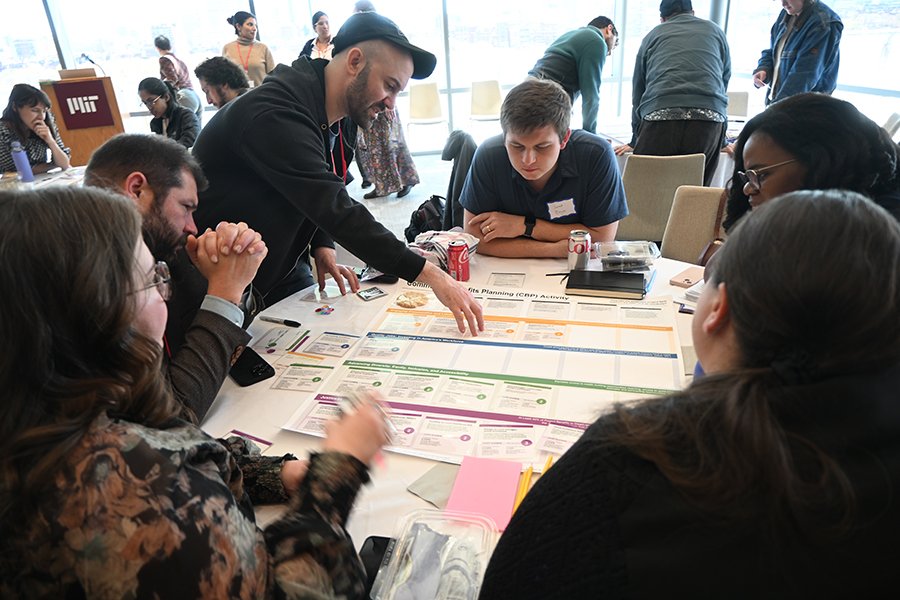
Real‑world applicability: The model was used in a workshop where participants played an educational game—originally designed by sociologist Sara Wylie—to negotiate community benefit agreements (CBAs). By assigning points for job creation, affordable housing, and emission caps, the game helped residents visualize trade‑offs and develop concrete negotiation strategies. Several attendees reported that the exercise gave them language and data to bring to upcoming public hearings.
Climate Reparations: Defining Justice Beyond Emissions
A panel on climate reparations featured Veronica Coptis of Taproot Earth, who framed climate justice as a transformation of the systems that generated excess emissions. She highlighted the 2024 Global Climate Reparations Working Statement, which emerged from a Nairobi assembly of 200 climate leaders after Hurricane Katrina exposed the disproportionate vulnerability of marginalized U.S. Gulf Coast communities.
Technical approach: Taproot Earth is piloting a carbon‑accounting framework that couples historical emission inventories with socioeconomic vulnerability indices. The resulting “damage ledger” quantifies financial obligations for high‑emitting nations and corporations, providing a basis for targeted investment in renewable energy, health infrastructure, and land‑restoration projects.
Real‑world applicability: The ledger has already guided a $12 million grant to rebuild flood‑resilient housing in coastal Louisiana, with community members co‑designing the architecture to incorporate traditional building practices.
Urban Agriculture Revitalizes Degraded Land in Boston
A panel of Boston‑area urban farming practitioners—Sabrina Pilet‑Jones (Haley House), Cecilia Del Cid (GreenRoots), Olivia Golden (UMass Extension), and Matthew Ellison (Urban Farming Institute)—showed how vacant lots and former dump sites are being transformed into productive gardens.
Technical approach: The projects rely on raised‑bed horticulture, composting systems, and drip‑irrigation powered by reclaimed rainwater. Soil testing kits are used to monitor heavy‑metal levels, and phytoremediation plants are interspersed to gradually detoxify the ground.
Real‑world applicability: Over the past two years, participating sites have increased local fresh‑produce availability by 35 % and created 18 part‑time jobs for youth. A field trip to The Food Project in Roxbury allowed symposium participants to assist with planting, reinforcing the link between hands‑on experience and community empowerment.
Adaptation on the Steppe and in the Southwest United States
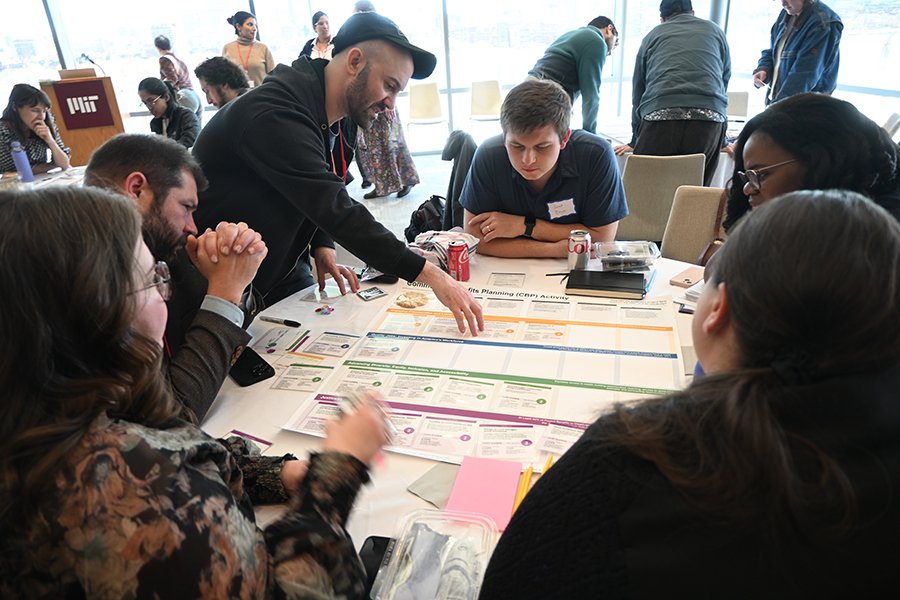
Researchers presented case studies from Mongolia, the Navajo Nation, and the Boston Harbor area, illustrating how climate adaptation must be tailored to local ecosystems.
- Mongolia: PhD candidate Munkh‑Erdene Gantulga described how pastoralists cope with hotter, drier summers by shifting herd composition toward camels, reducing milking to protect mothers, and selling off vulnerable livestock. These strategies are documented through participatory mapping and satellite‑derived vegetation indices.
- Navajo Nation: Breanna Lameman highlighted the use of Diné ecological knowledge—such as observing star patterns and animal behavior—to anticipate seasonal changes. This cultural insight is complemented by modern tools like low‑cost hydroponic kits and community‑built wetland filters.
- Boston Harbor: Elisa Guerrero showcased the Stone Living Lab’s “living seawall,” a structure that mimics natural reef habitats while attenuating wave energy. Sensors embedded in the seawall feed real‑time data to a public dashboard, enabling residents to see how storm surges are being mitigated.
Training the Next Generation: “Anthro‑Engineering” in Practice
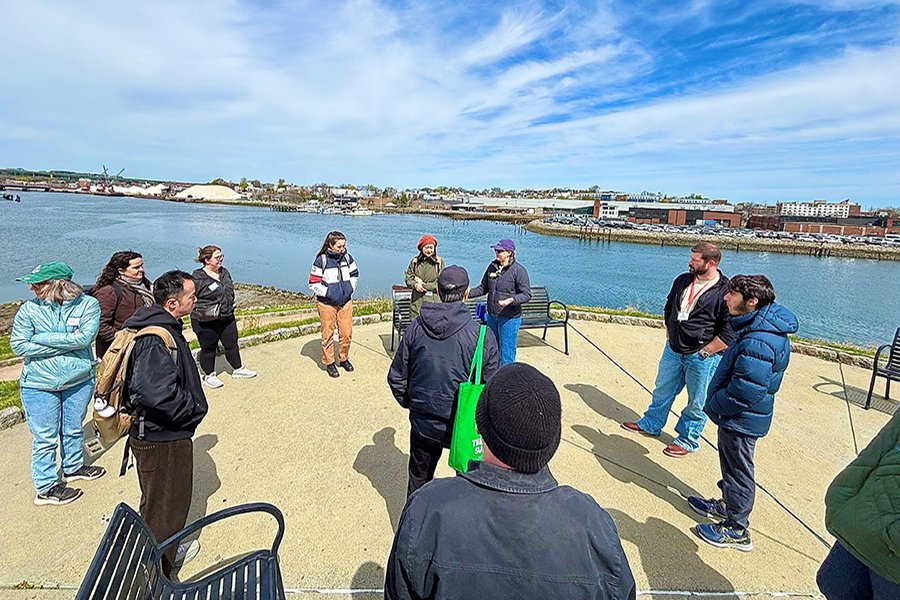
The symposium’s Saturday track emphasized experiential learning. MIT students reported projects ranging from building chicken coops with a Boston farming collective to analyzing decarbonization pathways for the steel industry in Pittsburgh and Southeast Chicago. Nuclear engineering PhD candidate Alina Jugan reflected that integrating a human perspective is essential for identifying the real problem before proposing technical fixes.
Technical approach: Courses blend ethnographic fieldwork, quantitative modeling, and design‑thinking workshops. Students use tools such as participatory GIS, life‑cycle assessment software, and low‑cost sensor kits to generate data that is directly relevant to community partners.
Indigenous Leadership and Cultural Resilience
The session titled “Xa xah Xechnging: A Sacred Obligation in a Time of Climate Chaos” featured leaders from Se’Si’Le and Children of the Setting Sun Productions. They described how cultural, spiritual, and legal frameworks are mobilized to oppose projects like the Trans‑Mountain pipeline. By foregrounding Indigenous worldviews—where every element of the environment has a spirit—these groups build coalitions that combine scientific evidence with cultural narratives.
What the symposium signals for climate work
The Living Climate Futures symposium underscored three practical takeaways for researchers and policymakers:
- Data must be local. Emissions and health impact models need to incorporate community‑specific demographics and land‑use patterns.
- Negotiation tools matter. Games and scenario‑planning workshops translate technical findings into actionable community benefit agreements.
- Cultural context is non‑negotiable. Solutions that ignore Indigenous knowledge or local histories risk rejection and can exacerbate mistrust.
By weaving together rigorous technical methods with on‑the‑ground storytelling, LCF demonstrates a replicable model for place‑based climate research that can be adapted to other regions facing similar challenges.
For more details, see the full photo gallery and related resources on the MIT News site.
Comments
Please log in or register to join the discussion