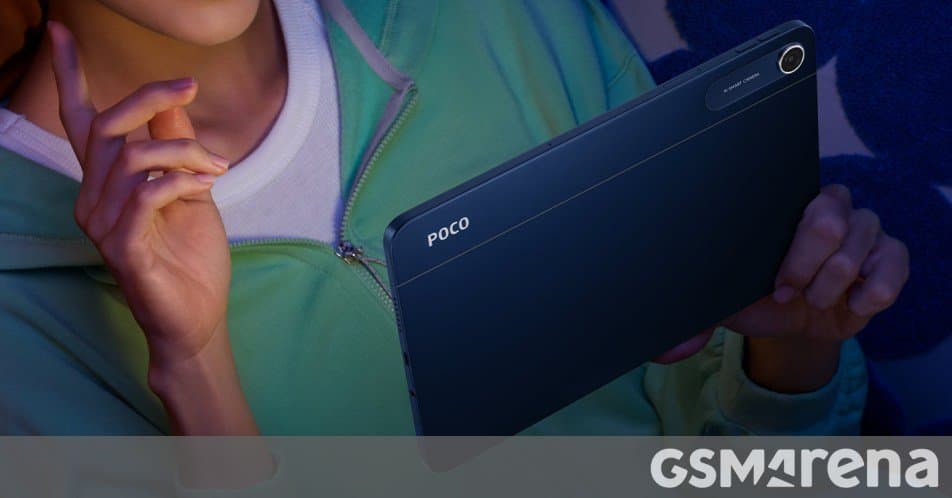
Poco has quietly introduced the Pad C1 tablet, essentially a rebranded Redmi Pad 2 9.7 with identical specifications but now under the Poco branding for global markets.
Poco has expanded its tablet lineup with the new Pad C1, a device that follows the company's strategy of offering value-oriented hardware with familiar specifications. The tablet has been quietly listed on Xiaomi's global website, marking Poco's latest entry into the competitive tablet market.
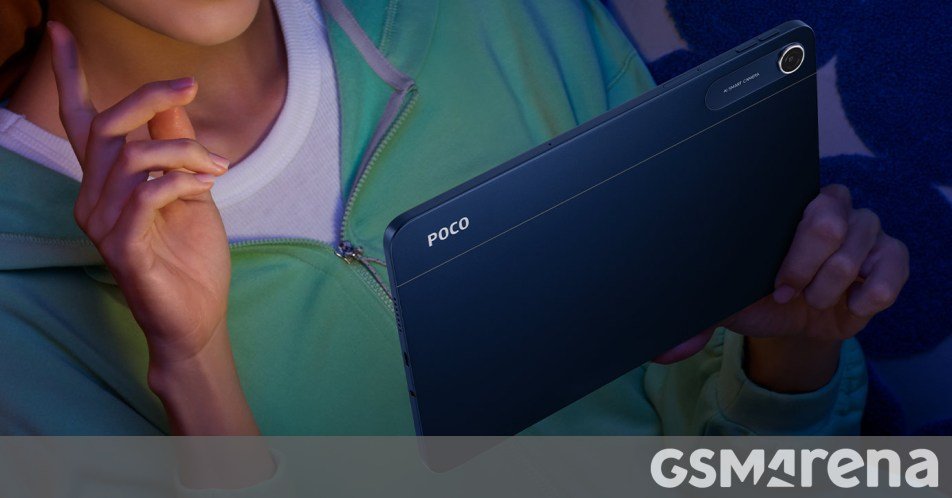
The Pad C1 is essentially a rebadged version of the Redmi Pad 2 9.7, which was released just last month. This rebranding strategy isn't new for Poco, which has previously employed similar tactics with its smartphones, offering essentially the same hardware under a different brand name with potentially different software optimization and marketing positioning.
At the heart of the Poco Pad C1 is a 9.7-inch LCD display featuring a 2048x1280 resolution, providing a pixel density that ensures sharp text and detailed images. The display includes a 120Hz refresh rate for smoother scrolling and 180Hz touch sampling rate for responsive input. With 600-nit peak brightness, the tablet should remain usable in various lighting conditions, though it may struggle in direct sunlight.
Powering the device is the Snapdragon 6s 4G Gen 2 chipset, a mid-range processor that balances performance and efficiency. This chipset is paired with either 4GB or 6GB of RAM, and storage options include 64GB or 128GB. The tablet supports 4G connectivity, making it a viable option for users who need mobile internet access without relying solely on Wi-Fi.
Camera capabilities are modest, with an 8MP rear camera and a 5MP front-facing camera. These are typical for tablets in this price range, suitable for video calls and casual photography but not intended as serious photography tools.
Battery life is a key strength of the Pad C1, thanks to a substantial 7,600 mAh battery. This should provide extended usage time, especially considering the efficient mid-range processor. The tablet supports 18W wired charging, which is adequate for a device of this size but not particularly fast by modern standards.
In terms of design, the Poco Pad C1 measures 226.51 x 147.97 x 7.4 mm and weighs 406g, making it relatively lightweight and portable for a 9.7-inch device. It will be available in blue and grey color options, giving users some choice in aesthetics.
The launch of the Pad C1 continues Poco's strategy of targeting value-conscious consumers while leveraging Xiaomi's manufacturing ecosystem. By rebranding existing Redmi devices, Poco can expand its product portfolio with minimal additional investment, while potentially offering different software experiences or marketing angles to distinguish itself.
This approach has both advantages and disadvantages. On the positive side, it allows Poco to enter new product categories quickly and with proven hardware. It also creates potential ecosystem lock-in, as users familiar with Poco's software optimizations may be more likely to consider other Poco devices in the future.
However, the strategy also raises questions about differentiation. If Poco devices are essentially rebranded Xiaomi products with minor tweaks, the brand's long-term viability may depend on how successfully it can establish its own identity beyond being "Xiaomi but cheaper."
Pricing for the Pad C1 hasn't been announced yet, but given its specifications and the Redmi Pad 2 9.7's pricing, we can expect it to compete in the budget to mid-range tablet segment. The device is expected to gradually appear at various retailers globally in the coming weeks.
For consumers, the Pad C1 represents an option for those seeking a mid-sized tablet with solid specifications at a potentially competitive price point. The 9.7-inch size strikes a balance between portability and usability, making it suitable for media consumption, light productivity tasks, and casual gaming.
Comments
Please log in or register to join the discussion