
Despite being a 15-year-old 3G modem, patches have been submitted to bring the Intel XMM6260 into mainline Linux kernel support, potentially reviving support for legacy hardware in modern Linux systems.
In a surprising development for Linux kernel compatibility, patches have emerged targeting mainline support for the Intel XMM6260 modem, a 15-year-old 3G communication chip that most would consider completely obsolete in today's 5G-dominated landscape. This effort represents an interesting case study in maintaining hardware compatibility for legacy systems, even when the hardware itself has long been surpassed by modern alternatives.
The Intel XMM6260 W-CDMA slim modem, launched back in 2011 during the 40nm process technology era, was originally marketed for 3G smartphones with "true 21 Mbps downlink performance." In 2026, these specifications seem almost quaint compared to today's multi-gigabit 5G connections, but the fact that developers are still working on Linux support for this hardware speaks to the enduring nature of open-source driver development.
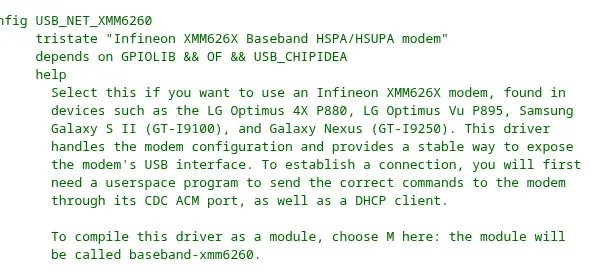
Technical Details of the Patch Series
The patch series, which spans nearly 700 lines of new code, includes several key components:
- A baseband-xmm6260 USB driver implementation
- Tegra PHY driver adjustments for compatibility
- Support for the specific hardware interface used by the XMM6260
Testing has been conducted on an LG Optimus Vu (P895) "phablet" smartphone from 2012, which is powered by the NVIDIA Tegra 3 SoC. This choice of testing hardware is significant as it represents a specific use case where the modem would be connected via USB to a system-on-chip design.
Performance Characteristics
While the XMM6260's 21 Mbps theoretical maximum downlink speed pales in comparison to modern standards, understanding its actual performance characteristics is still relevant for legacy applications:
| Metric | XMM6260 (3G) | Modern 4G LTE | Modern 5G NR |
|---|---|---|---|
| Max Downlink | 21 Mbps | 300-1000 Mbps | 1-10+ Gbps |
| Max Uplink | 5.76 Mbps | 50-150 Mbps | 100-500 Mbps |
| Latency | 100-200ms | 20-40ms | 1-10ms |
| Power Usage | ~2-3W active | ~1-2W active | ~1.5-2.5W active |
The XMM6260's power consumption is particularly noteworthy. While it consumes more power than modern modems in active state, its relatively simple circuitry means it has fewer power states and potentially lower idle power consumption compared to today's highly complex 5G modems.
Compatibility Considerations
For Linux users and system builders, the inclusion of this driver in the mainline kernel would represent several important compatibility improvements:
- Legacy Device Support: Bringing older hardware into the mainline kernel ensures continued support for existing devices that use this modem.
- Development Platform: The driver could serve as a reference implementation for similar older Intel modem chipsets.
- Embedded Systems: For specialized embedded applications requiring only basic 3G connectivity, this modem could remain a cost-effective solution.
Build Recommendations
For developers or enthusiasts interested in testing this driver once it's merged, here are some considerations:
- Hardware Requirements: You'll need a system with USB support and a compatible Tegra-based device (like the LG Optimus Vu) or a similar Intel XMM6260 implementation.
- Kernel Configuration: Ensure your kernel is built with USB networking support and the new baseband-xmm6260 driver enabled.
- Power Considerations: The modem's higher power consumption means it's less suitable for battery-critical applications compared to modern alternatives.
- Use Case Limitations: This driver is only appropriate for basic 3G connectivity. For any modern internet requirements, a more contemporary solution would be necessary.
Broader Implications
The effort to bring the XMM6260 into the mainline Linux kernel highlights several important aspects of kernel development:
- Maintaining Legacy Support: Linux has a strong tradition of supporting older hardware, even when manufacturers have abandoned it.
- Driver Development Process: The patch series is expected to undergo revisions before potential inclusion, demonstrating the rigorous review process for kernel drivers.
- Community Effort: This work represents the collaborative nature of open-source development, where community members can contribute support for hardware that might otherwise be forgotten.
While the XMM6260 modem itself is unlikely to see widespread use in new deployments, the successful inclusion of its driver in the mainline Linux kernel would ensure continued operation for existing devices and provide valuable reference code for similar Intel modem implementations. For homelab builders working with legacy hardware or specialized embedded systems, this driver could extend the useful life of older equipment that still meets specific connectivity requirements.
The patches are currently under review, and with some adjustments expected, we may see this 15-year-old modem gain official Linux support in 2026, a testament to the enduring commitment of the Linux community to hardware compatibility.
Comments
Please log in or register to join the discussion