
Polish authorities have arrested seven minors aged 12-16 for allegedly selling DDoS attack tools online, with evidence seized from their homes across multiple regions.
Polish authorities have dismantled an alleged cybercrime ring of seven juveniles who are accused of selling distributed denial-of-service (DDoS) attack tools online, with the youngest suspect being just 12 years old.
The Central Bureau for Combating Cybercrime (CBZC) in Poland said the group operated a profit-driven scheme, selling tools that were later linked to attacks on popular websites including auction portals, IT domains, hosting services, and accommodation booking platforms.
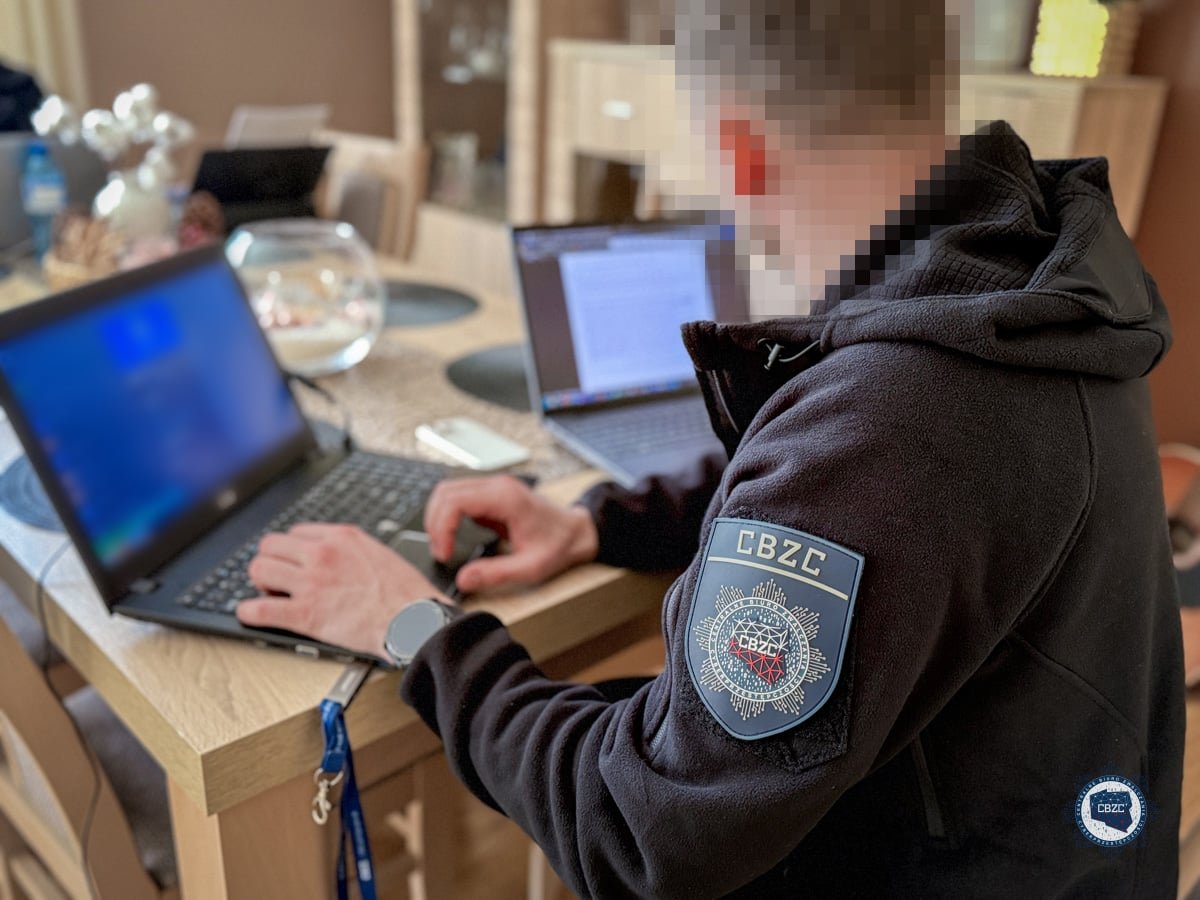
According to police, the investigation began in 2025 when a 14-year-old suspect was identified as the suspected administrator of the tools being sold. Officers visited the teenager's residence in the Masovian voivodeship, collected digital artifacts, and used this evidence to identify six additional suspects.
Last week, CBZC officers conducted searches across four Polish regions - Masovian, Lublin, Łódź, and Greater Poland voivodeships. During these raids, they seized smartphones, laptops, storage drives, a ledger, and handwritten documentation that investigators believe was used to coordinate the alleged criminal activities.

The suspects, who knew each other and maintained regular contact, are accused of working together to administer and deploy the DDoS tools for financial gain. Police emphasized that while DDoS attacks are typically short-lived - usually lasting around 15 minutes - they can still cause significant disruption to targeted services.
Due to their ages, the cases will be handled by family court rather than criminal court. Polish law provides special protections for juvenile offenders, with children under 13 unable to be held criminally responsible regardless of the offense. For those aged 13-17, authorities typically focus on rehabilitation rather than punishment.
The CBZC noted that only the most serious crimes, such as murder, can result in 15-year-olds being tried as adults in criminal court, and cybercrimes do not fall into this category.
This case highlights the growing concern about young people's involvement in cybercrime, particularly as tools for launching attacks become more accessible online. Law enforcement agencies worldwide have reported increasing incidents of juvenile cybercrime, often driven by the perception that online criminal activities carry minimal consequences for young offenders.
Comments
Please log in or register to join the discussion