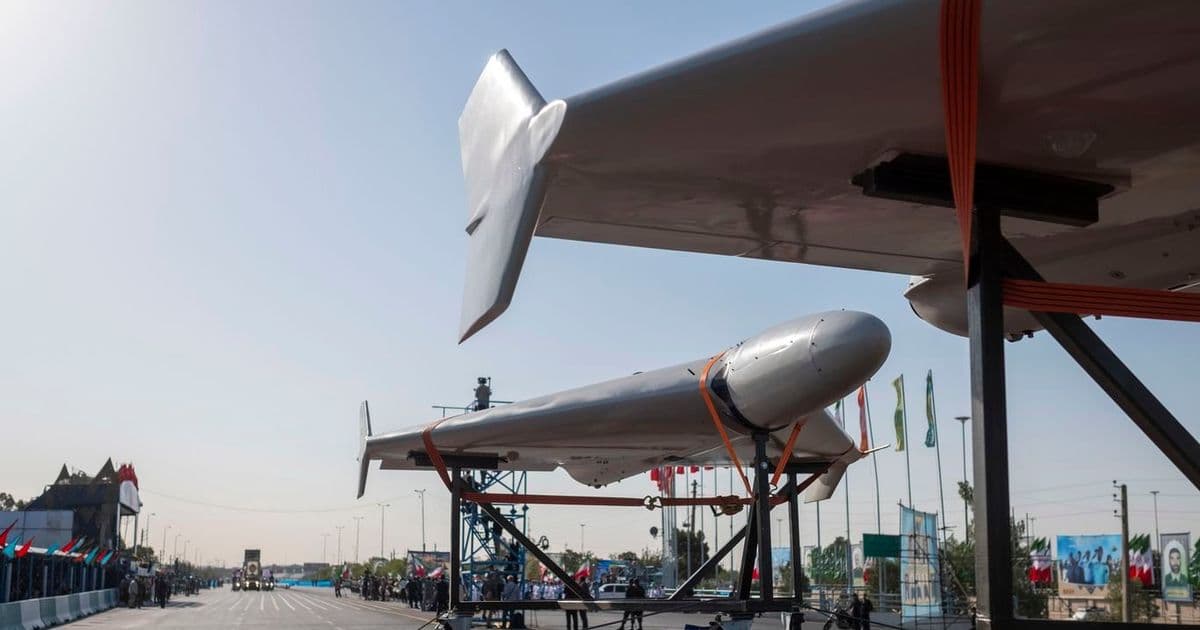
Exclusive: U.S. rejected Ukrainian requests for advanced counter-drone systems last year, potentially leaving the country more vulnerable to Iranian-supplied weapons.
The United States rejected Ukrainian requests for advanced anti-drone technology last year, according to multiple sources familiar with the matter, potentially leaving the country more vulnerable to Iranian-supplied weapons as the conflict with Russia continues.
The Technology Ukraine Sought
The Ukrainian government was seeking access to sophisticated counter-drone systems capable of detecting and neutralizing Iranian-made Shahed drones, which have become a significant threat on the battlefield. These systems include electronic warfare capabilities that can jam drone signals and advanced radar systems designed specifically to track small, low-flying unmanned aircraft.
Strategic Calculations Behind the Decision
U.S. officials reportedly cited several concerns in denying the requests. First, there were fears that providing such advanced technology could escalate the conflict or provoke Russia into using more dangerous weapons. Second, officials worried about the technology falling into Russian hands through capture or reverse engineering. Third, there were concerns about the technology being used beyond Ukraine's borders.
The Iranian Drone Threat
The Iranian Shahed drones have proven to be a cost-effective weapon for Russia, capable of carrying explosives deep into Ukrainian territory and forcing expensive air defense responses. Ukraine has repeatedly requested more advanced systems to counter this threat, arguing that current defenses are insufficient against the growing drone campaign.
What This Means for the Conflict
Military analysts suggest that access to advanced counter-drone technology could have significantly altered Ukraine's defensive capabilities, particularly in protecting critical infrastructure and military assets. The decision not to provide these systems may have forced Ukraine to rely on less effective, more resource-intensive methods of countering the drone threat.
Broader Implications
The rejection highlights the complex balancing act the U.S. faces in supporting Ukraine while managing escalation risks. It also underscores the growing importance of drone warfare in modern conflicts and the technological gaps that can emerge when advanced systems are withheld from allied forces.
The decision continues to be a point of discussion among military planners and policymakers as the conflict evolves and new threats emerge.
Comments
Please log in or register to join the discussion