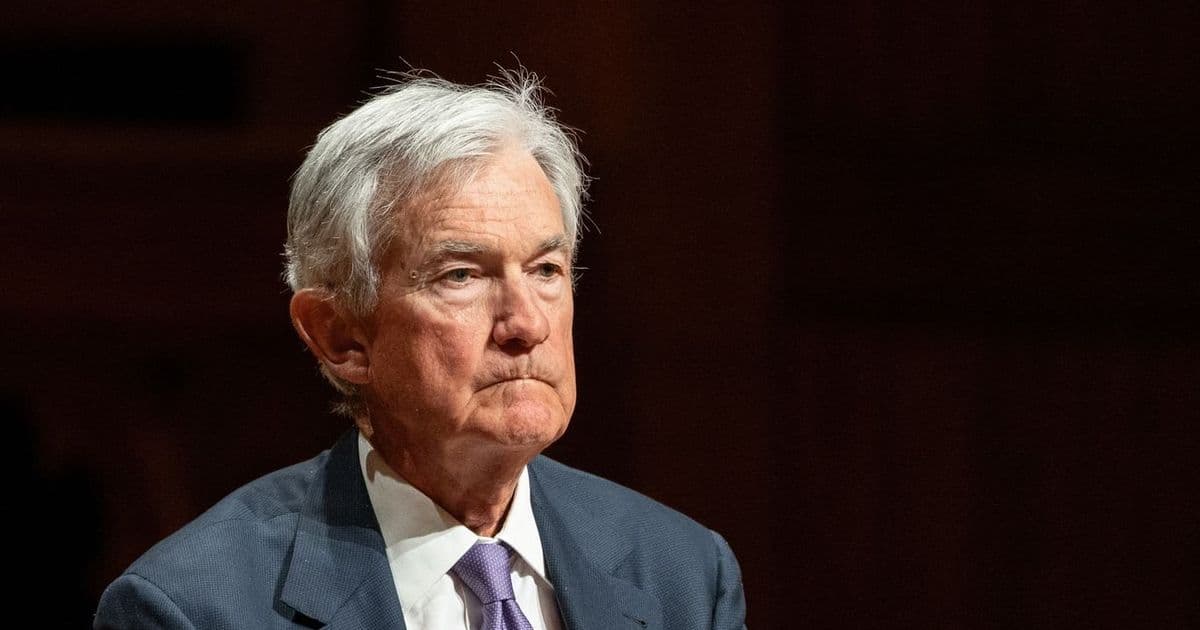
Federal Reserve Chair Jerome Powell will continue leading the central bank, maintaining current monetary policy trajectory and limiting President Trump's influence over key economic decisions.
Federal Reserve Chair Jerome Powell will continue serving in his position, denying President Trump the opportunity to fill a critical vacancy with a nominee who might align more closely with the administration's economic priorities. This development preserves the current trajectory of monetary policy while limiting the president's influence over the central bank's decision-making process.
Powell's continued leadership at the Federal Reserve comes at a pivotal moment for both the U.S. economy and global financial markets. The central bank currently faces complex challenges including persistent inflation concerns, an evolving labor market, and the need to balance economic growth with financial stability. With Powell remaining in his position, markets can expect a continuation of the gradual approach to interest rate adjustments that has characterized his tenure.
The Federal Reserve's decisions directly impact the technology sector in multiple ways. Higher interest rates increase borrowing costs for tech companies, affect valuations of growth-oriented stocks, and influence venture capital funding availability. Powell's continued leadership suggests a continuation of data-dependent policy decisions rather than abrupt shifts that could create market volatility.
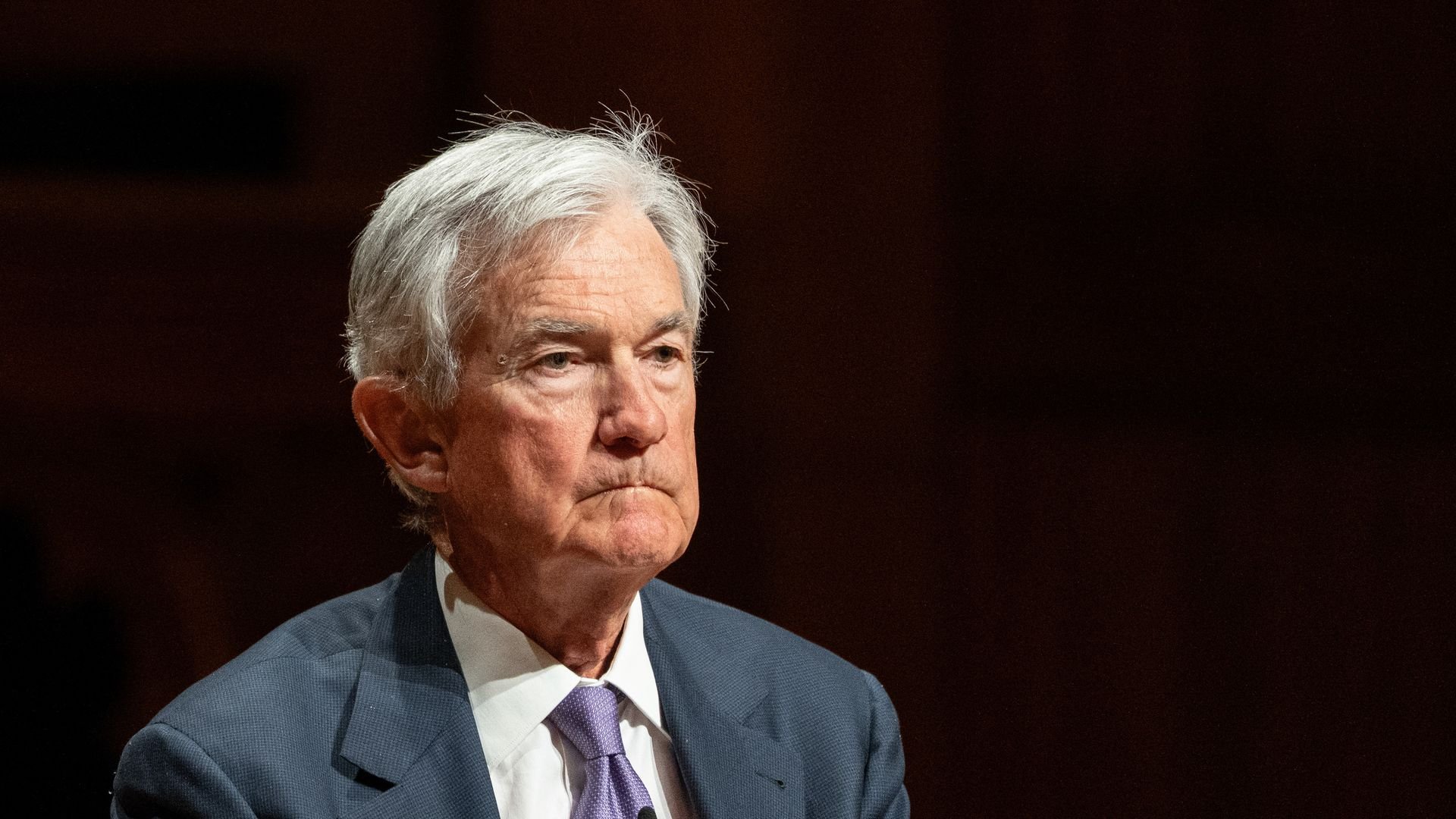
Historically, presidential attempts to influence the Federal Reserve have faced significant constraints due to the central bank's statutory independence. Powell's reappointment, or in this case continuation in his current role, represents a continuation of this tradition of institutional independence. The Fed's dual mandate of maximum employment and price stability has guided policy decisions through multiple economic cycles, and Powell's continued leadership maintains this framework.
Market analysts suggest that Powell's continued presence provides stability during a period of economic uncertainty. The technology sector, in particular, benefits from predictable monetary policy environments that allow for better planning and investment decisions. While some tech companies may have preferred more accommodative monetary conditions, the predictability offered by Powell's leadership likely outweighs the benefits of potential policy shifts.
The Federal Reserve's balance sheet management, which has significant implications for liquidity conditions in financial markets, will continue under Powell's direction. This affects everything from corporate bond markets to the availability of capital for tech startups and expansion-stage companies.
From a geopolitical perspective, Powell's continued leadership maintains continuity in U.S. monetary policy relationships with other central banks. This stability in international financial relations benefits multinational technology companies that operate across global markets and rely on predictable international monetary conditions.
Looking ahead, Powell's continued tenure means that technology companies and investors can expect the Federal Reserve to continue its current approach to digital asset regulation and fintech oversight. The Fed has been developing regulatory frameworks for these emerging sectors, and Powell's leadership suggests a continuation of measured, data-driven approaches rather than abrupt regulatory shifts.
The Federal Reserve's approach to climate-related financial risks will also continue under Powell's leadership. This emerging area of regulatory focus has significant implications for technology companies involved in climate solutions and sustainable technology sectors.
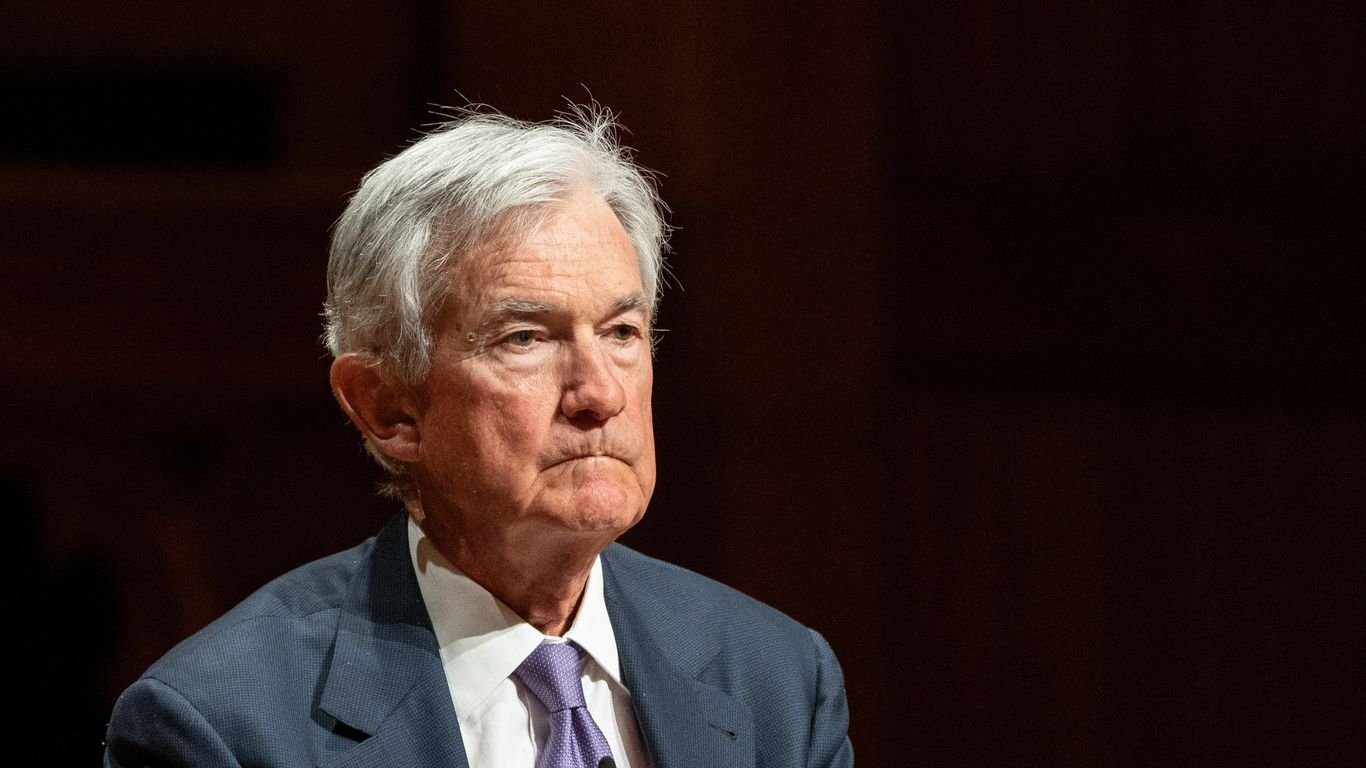
In conclusion, Jerome Powell's continued leadership of the Federal Reserve represents a significant development for both the broader economy and the technology sector. While limiting President Trump's ability to shape monetary policy through personnel changes, Powell's tenure provides stability and predictability that benefits financial markets and technology companies alike. The continuation of current monetary policy approaches allows tech businesses to plan with greater certainty in an increasingly complex economic environment.
Comments
Please log in or register to join the discussion