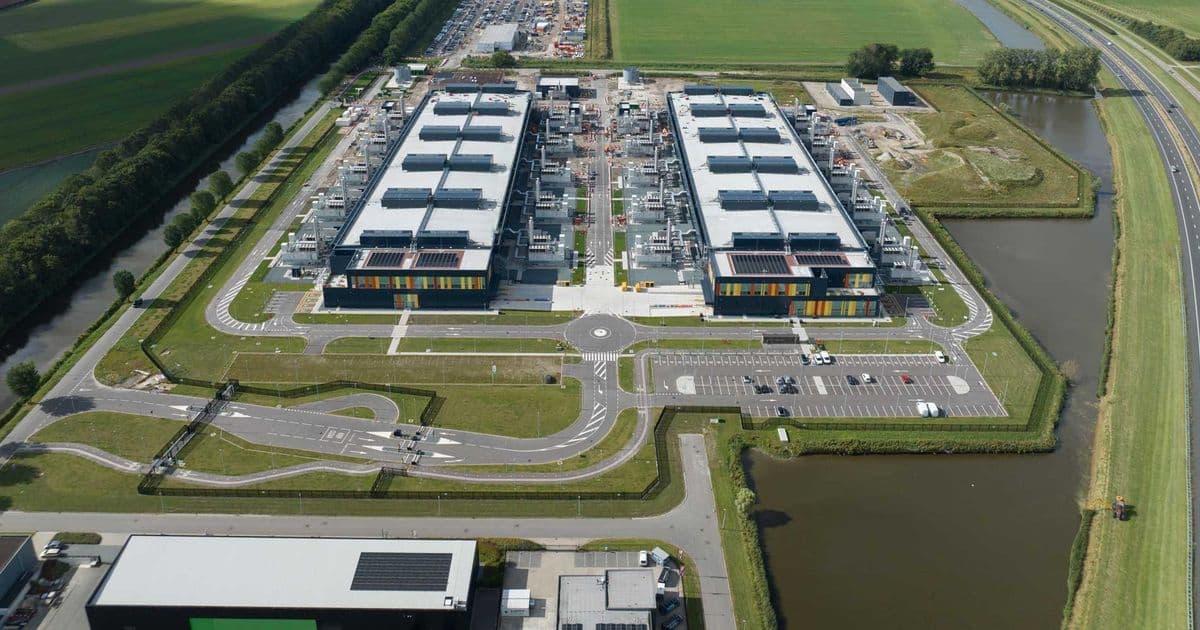
Facing critical grid limitations, hyperscalers and colos relocate operations to Texas while accelerating onsite power adoption, with 1/3 of campuses expected to bypass traditional grids by 2030 amid environmental compliance challenges.
Power Grid Constraints Reshape Datacenter Geography
As power scarcity reaches critical levels across traditional datacenter hubs, operators are executing a mass relocation to Texas—where available electricity capacity dwarfs other regions. According to Bloom Energy's 2026 Datacenter Power Report, Texas is projected to host 40 GW of IT capacity by 2028, capturing nearly 30% of the U.S. market. This seismic shift comes as power availability has transformed from a planning consideration to a primary growth constraint within just 18 months.
The Compliance Tightrope: Emissions vs. Availability
This migration is partly driven by regulatory pressures in legacy regions. States like California, Iowa, Oregon, and Nebraska face market share declines exceeding 50% due to:
- Permitting complexity under environmental regulations
- Grid connection timelines incompatible with AI-driven demand
- Renewable energy mandates conflicting with immediate capacity needs
Meanwhile, operators face mounting pressure to meet net-zero commitments under frameworks like the Paris Agreement. Gas turbines—the preferred onsite solution—generate significant CO₂ emissions and noise pollution, risking non-compliance with local environmental ordinances. Fuel cells offer cleaner alternatives but introduce hydrogen storage challenges governed by OSHA safety standards and NFPA codes.
Onsite Power: From Stopgap to Strategic Imperative
The report reveals a 22% year-over-year increase in operators planning fully onsite-powered campuses, projecting that:
- 33% of all datacenters will bypass grid power by 2030
- 1 in 5 new campuses will exceed 1GW capacity by 2030 (growing to 1 in 3 by 2035)
While Bloom Energy promotes fuel cells, most operators favor gas turbines despite supply chain shortages causing 18-24 month lead times. This scramble stems from operators needing power two years faster than utilities can deliver, forcing adoption of permanent onsite generation despite:
| Solution | Compliance Risks | Operational Challenges |
|---|---|---|
| Gas Turbines | GHG emissions violations | Noise restrictions in urban zones |
| Fuel Cells | Hydrogen storage regulations | Platinum catalyst costs |
| Grid Power | Connection timeline penalties | Regional power caps |
User Impact: The Sustainability Tradeoff
For consumers, this shift creates tension between service reliability and environmental accountability. While Texas' abundance prevents service interruptions, increased fossil-fueled onsite generation could:
- Inflate carbon footprints for cloud services
- Trigger “greenwashing” litigation under FTC Green Guides
- Increase latency as workloads migrate from coastal hubs
Operators now must navigate a trilemma: securing adequate power, meeting sustainability pledges, and maintaining service levels. As Bloom Energy notes, this requires "aggressive power procurement strategies aligned with AI scale," signaling a permanent industry transformation where energy access trumps geographic preferences.
For detailed projections, see the full Bloom Energy 2026 Datacenter Power Report.
Comments
Please log in or register to join the discussion