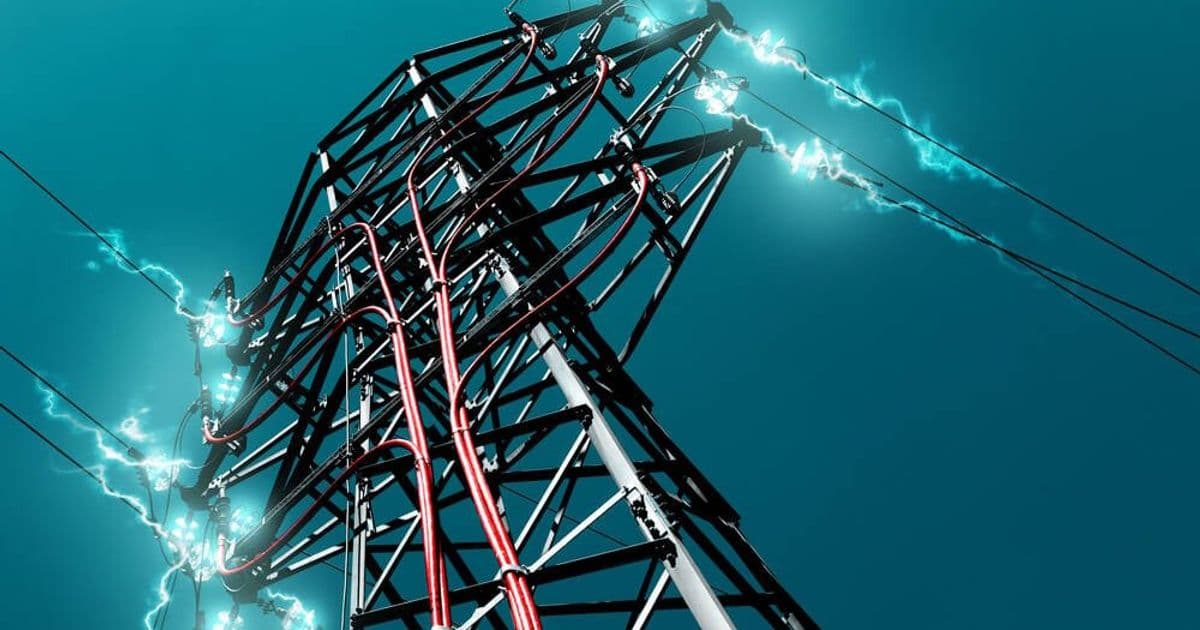
A critical shortage of electrical power is set to constrain datacenter expansion in 2026, with industry growth forecasts becoming increasingly unrealistic as grid capacity fails to keep pace with the AI infrastructure boom.
The datacenter industry is facing a fundamental constraint that no amount of capital or ambition can easily solve: there simply isn't enough electrical power to support projected growth. According to Uptime Institute's latest "Five Predictions for 2026" report, power availability will become the defining limitation on datacenter expansion this year and beyond, potentially rendering many industry forecasts overly optimistic.
The Scale of the Power Crunch
The AI-driven infrastructure boom, triggered by ChatGPT's release in late 2022, has dramatically accelerated datacenter construction. Uptime Institute estimates that the total global datacenter power load associated with AI alone will reach 10 gigawatts by the end of 2026. This represents a doubling in the rate at which new capacity is being added.
However, the fundamental problem is one of timing and scale. Modern AI facilities are enormous, with many projects measured in hundreds of megawatts and some approaching gigawatt scale. While these massive campuses can be constructed in approximately three years, the power infrastructure needed to serve them takes significantly longer:
- Large solar farms: ~5 years
- Wind farms or gas turbine installations: ~6 years
- Nuclear power plants: At least 10 years
This mismatch means that even when datacenter builders can secure land and permits, they cannot guarantee access to sufficient power when their facilities come online.
Previous Warnings Becoming Reality
The power shortage isn't a new problem, but its severity is intensifying. Even before the AI explosion, power constraints forced moratoriums on new datacenter construction in major tech hubs including Amsterdam, Dublin, and Singapore. These restrictions were implemented because local grids simply couldn't handle additional large loads without massive infrastructure upgrades.
Uptime Institute notes that when average datacenter sizes were smaller, operators could find pockets of spare grid capacity. Today, the sheer scale of projects makes this approach impossible in most locations.
Emergency Strategies Hit Their Limits
Faced with urgent demand, datacenter operators have employed two main strategies to secure power quickly:
On-Site Gas Turbines
Many large campuses have turned to installing their own gas turbine generators. However, this solution is now collapsing under its own weight. High demand has created a severe shortage of gas turbine equipment, with waiting lists stretching to three or four years. Prices have doubled in some markets, making this an increasingly expensive and slow option.
Repurposing Cryptocurrency Mining Sites
The second strategy involved taking over sites previously used by cryptocurrency miners, particularly in regions where power was plentiful and cheap. But this supply is now essentially exhausted. The remaining sites are few, and many lack the scale needed for modern AI facilities.
The Carbon Capture Dilemma
Even if operators can secure power, they face another critical constraint: emissions regulations. A projected 75-125 GW growth in server farm power requirements through 2030 will likely need to be met through natural gas generation, putting aggressive net-zero commitments at risk.
These commitments aren't optional. They're enforced by regulations in some regions and baked into enterprise contracts. Companies must account for datacenter emissions in their corporate sustainability reports, creating financial and reputational pressure to reduce carbon output.
Carbon Capture Technology Reality Check
Uptime Institute identifies six carbon capture technologies, but only one is commercially available today: amine solvent systems. These use chemical absorption to remove CO₂ from exhaust gas streams. The other five approaches, including solid sorbent and chilled ammonia systems, remain in early development and aren't yet cheaper or more efficient.
Storage presents another major challenge. Captured carbon needs accessible, permitted geological formations for long-term storage. This requirement could significantly influence where datacenters are sited and will likely prevent retrofitting most existing generation facilities.
Despite these limitations, some major players are moving forward. Google has signed a power purchase agreement with a CCS-equipped gas-fired generator in Illinois, and Microsoft has indicated openness to procuring electricity from similar facilities.
Uptime suggests the economics might work. While CCS increases electricity costs, the total cost could be comparable to or less than purchasing standard energy plus carbon offsets or energy attribute certificates (EACs), which range from $10 to $1,000 per metric ton.
Planning Through Uncertainty
Interestingly, Uptime claims that amid the AI hype, most datacenter operators are "continuing to plan in the face of uncertainty" rather than executing on clear AI-driven demand. This cautious approach may be prudent given the power constraints.
The industry is also segmenting. The most demanding AI workloads require a distinct class of high-density infrastructure with specialized power and cooling needs. Meanwhile, the majority of datacenter capacity continues to support traditional workloads. This separation could ultimately benefit the industry by clarifying risks, investment priorities, and operational strategies.
What This Means for the Future
The power shortage creates a cascade of implications:
- Growth Cap: Industry forecasts may need significant downward revision
- Geographic Shift: New datacenters may need to locate near available power, regardless of other factors
- Cost Increases: Power scarcity will drive up costs for compute and storage
- Innovation Pressure: The industry must develop more efficient infrastructure or find alternative power solutions
- Regulatory Complexity: Balancing emissions commitments with power needs will require careful negotiation with regulators and customers
The datacenter industry has solved numerous technical and logistical challenges, but power availability represents a physical constraint that cannot be engineered around. The next few years will test whether the industry's growth projections were realistic or whether the AI revolution will need to slow down to match the pace of power infrastructure development.
Comments
Please log in or register to join the discussion