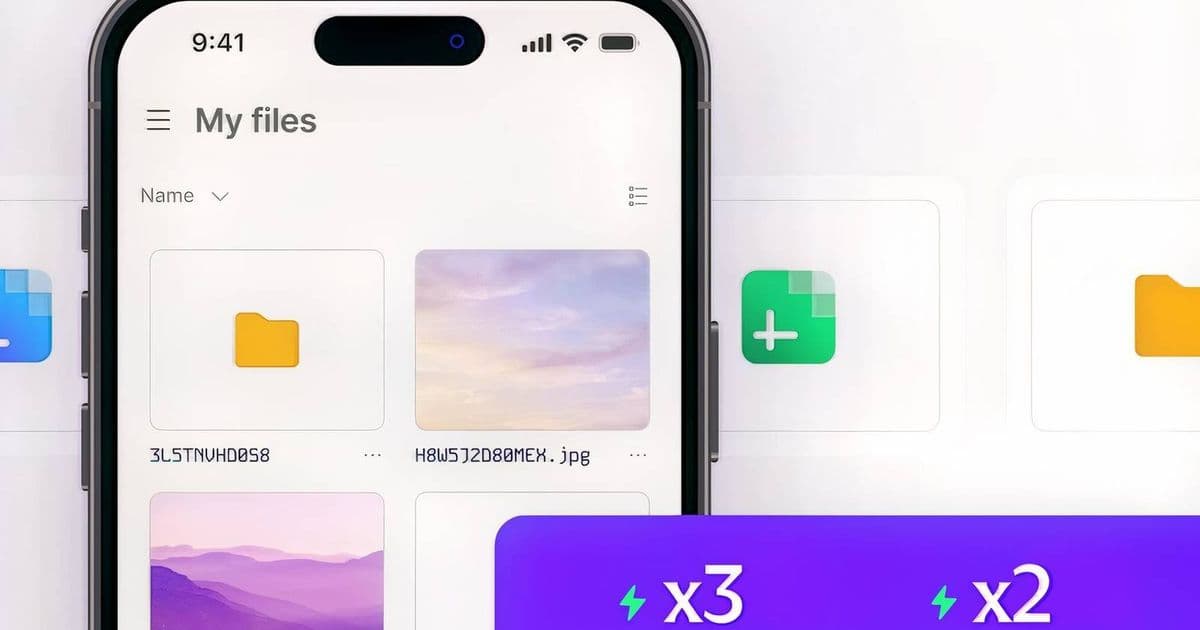
Proton Drive has undergone a major backend rewrite, delivering up to 3x faster uploads, 2x faster downloads, and 4x faster encryption operations. The service is also building a Linux client from scratch with these performance improvements, addressing a long-standing request from the Linux community.
Proton Drive has just received a significant performance upgrade that will dramatically improve how users interact with their files across all platforms. The development team announced a complete backend rebuild that addresses performance bottlenecks while maintaining the service's commitment to privacy and end-to-end encryption.
Platform Performance Improvements
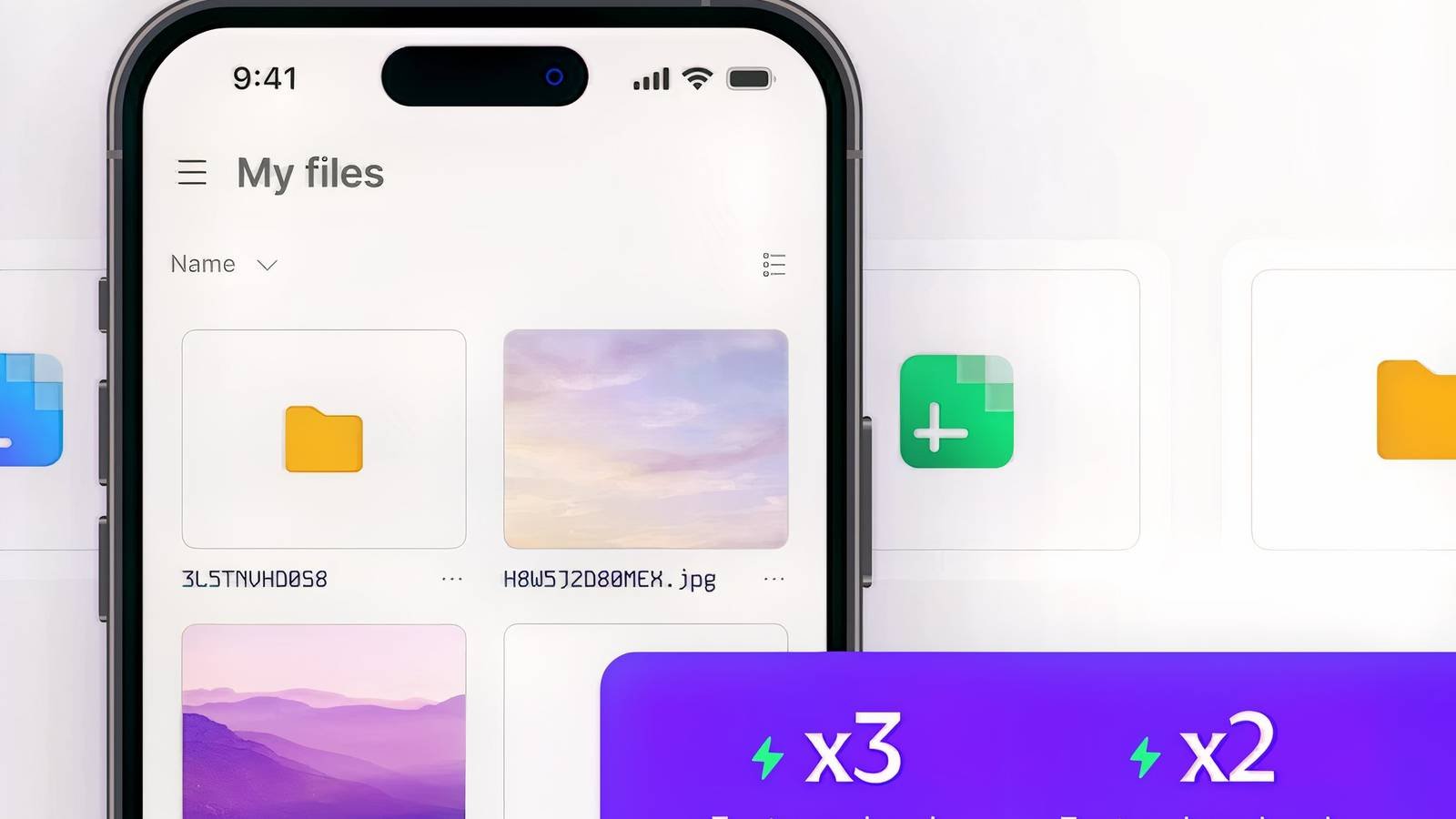
The most noticeable changes for users are the speed improvements across file operations. Uploads are now up to 3x faster, which directly impacts common workflows like Android photo backup and macOS file synchronization. For mobile developers, this means that applications integrating with Proton Drive will experience reduced latency when transferring user data.
Download speeds have also seen a significant boost, up to 2x faster than before. This improvement is particularly valuable for mobile applications that need to retrieve files on-demand, especially in scenarios with limited connectivity. The performance gains extend to the Photos experience, where browsing through batches of images should now feel much smoother.
Perhaps most impressive is the 4x improvement in end-to-end encryption operations. This is crucial for maintaining Proton's security guarantees while ensuring that encryption doesn't become a bottleneck for users. For developers implementing Proton Drive SDKs, this means that security operations won't significantly impact user experience.
Developer Impact and SDK Considerations
For developers integrating Proton Drive into their applications, these backend improvements translate to several key advantages:
Reduced API Latency: The faster encryption operations mean that SDK calls for file operations complete more quickly, improving the responsiveness of applications.
Background Sync Efficiency: Applications that perform background synchronization will benefit from the improved upload speeds, reducing battery consumption and improving sync reliability.
Platform-Specific Optimizations: Proton has indicated that the new backend includes platform-specific optimizations for iOS and Android, which developers can leverage to improve their app's performance.
The Proton Drive SDK has been updated to take advantage of these improvements, with backward compatibility maintained for existing integrations. Developers should update to the latest SDK version to access the performance benefits:
- iOS SDK 2.1.0+ includes optimizations for the new backend
- Android SDK 3.2.0+ implements the faster encryption pipeline
- Web SDK 1.5.0+ benefits from the improved upload/download speeds
Linux Client Development
One of the most significant announcements is the development of a native Linux client, built from the ground up with the new performance improvements in mind. Linux users have long requested a dedicated client, and Proton has listened.
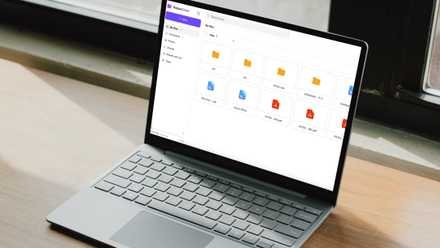
The Linux client will leverage the same performance optimizations as other platforms:
- Native file system integration for improved performance
- Background synchronization with configurable bandwidth limits
- Command-line interface for scripting and automation
- Tray application for quick access to common features
For developers working on Linux applications, the availability of a native client opens up new possibilities for integration. The Linux SDK will include platform-specific APIs for:
- File watching and automatic synchronization
- System tray integration
- Desktop notification handling
- Power state management to optimize sync behavior
Migration Path for Existing Users
Proton has ensured a smooth transition for existing users. The new backend is backward compatible with the previous API, meaning that existing clients will continue to function without immediate updates. However, to access the performance benefits, users should update their clients:
- iOS users can update through the App Store
- Android users can update through Google Play
- Web users will receive an automatic update
- Linux users will need to download the new client when it becomes available
For developers maintaining applications that integrate with Proton Drive, the migration path is straightforward. The updated SDK maintains the same public APIs while adding new methods to access platform-specific optimizations. Proton provides detailed migration guides in their documentation, with code examples for each platform.
Cross-Platform Considerations
The Proton Drive team has emphasized that while the backend has been completely rewritten, the cross-platform experience remains a priority. This means that developers can expect consistent behavior across platforms while still being able to leverage platform-specific features.
One key consideration for cross-platform developers is the handling of file metadata. The new backend includes improved metadata handling that is consistent across platforms, which simplifies cross-platform application development. However, developers should be aware that some platform-specific behaviors may still exist, particularly around file system permissions and background processing limitations.
For teams developing cross-platform applications using frameworks like React Native or Flutter, Proton has updated their SDK wrappers to take advantage of the performance improvements. These wrappers abstract the platform-specific optimizations while maintaining a consistent API across platforms.
Security and Privacy Considerations
While performance has been a major focus, Proton has maintained its commitment to privacy and security. The faster encryption operations don't come at the cost of security—instead, they're the result of algorithmic optimizations and more efficient implementation.
For developers, this means that applications integrating with Proton Drive can offer both improved performance and strong security guarantees. The updated SDK includes additional security features, such as improved key management and more granular access controls.
The Proton Drive security whitepaper has been updated to reflect the changes in the new backend, providing transparency about how user data is protected while still delivering the performance improvements.
Future Roadmap
Proton has outlined several upcoming features that will build on this performance foundation:
- Improved collaboration features with real-time document editing
- Advanced sharing controls with granular permissions
- Integration with other Proton services (Mail, Calendar, VPN)
- Enhanced mobile features for iOS and Android
For developers, this means that the Proton Drive platform will continue to evolve, offering new capabilities that can be integrated into applications. The updated SDK is designed to be extensible, making it easier to add support for new features as they become available.
The Linux client is expected to be released in the coming months, with a beta program planned for early adopters. Developers interested in testing the Linux client can sign up through the Proton Drive GitHub repository.
Conclusion
The Proton Drive backend rewrite represents a significant step forward for the service, delivering substantial performance improvements while maintaining its commitment to privacy and security. For users, this means faster file operations and a more responsive experience. For developers, it means more efficient integrations, new platform-specific capabilities, and a solid foundation for future features.
The addition of a Linux client addresses a long-standing request from the Linux community and expands Proton's cross-platform presence. With the performance improvements and new features, Proton Drive is positioning itself as a compelling alternative to mainstream cloud storage services, particularly for users who prioritize both performance and privacy.
Comments
Please log in or register to join the discussion