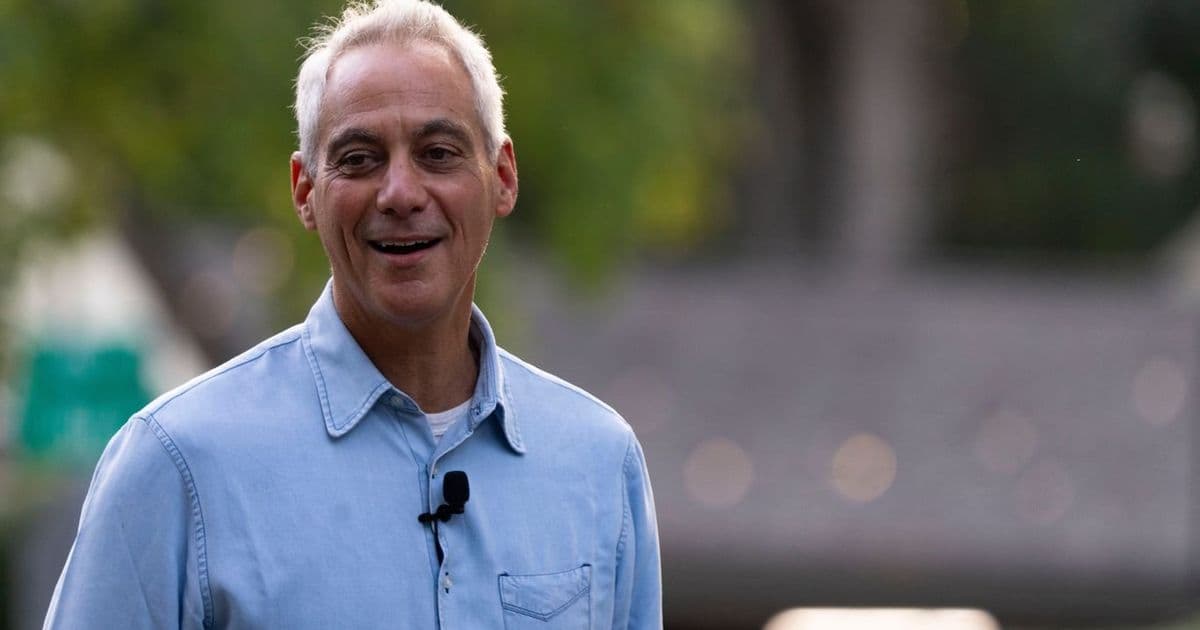
Former Chicago mayor Rahm Emanuel has announced a plan to divert federal Immigration and Customs Enforcement (ICE) funding to community colleges, aiming to address both immigration enforcement concerns and educational access.
Former Chicago mayor Rahm Emanuel has unveiled a controversial proposal to redirect federal Immigration and Customs Enforcement (ICE) funding toward community college programs, marking a significant shift in how immigration enforcement resources could be allocated.
The Proposal Details
The plan, announced during a recent speaking engagement, would take existing ICE budget allocations and channel them into community college systems across the United States. Emanuel argues that this reallocation would serve dual purposes: reducing the scope of federal immigration enforcement while simultaneously expanding educational opportunities for underserved communities.
Political Context
Emanuel's proposal comes at a time of heightened debate over immigration policy and education funding. The former mayor, who served as President Obama's chief of staff and later as Chicago's mayor from 2011 to 2019, has positioned this plan as a pragmatic solution to what he views as competing national priorities.
The announcement has drawn immediate reactions from both supporters and critics. Immigration advocates have praised the initiative as a step toward more humane immigration policies, while opponents argue it would undermine federal law enforcement capabilities.
Financial Implications
While specific dollar amounts have not been disclosed, the proposal would involve significant federal funding currently allocated to ICE operations. Community colleges, which have faced budget constraints in recent years, could potentially see substantial increases in funding if the plan were implemented.
Educational Impact
The redirected funds would likely support various community college initiatives, including:
- Expanded enrollment capacity
- Enhanced vocational training programs
- Increased financial aid availability
- Improved campus facilities and resources
Next Steps
The proposal faces significant hurdles in implementation, requiring congressional approval and likely encountering legal challenges. However, it has already sparked broader discussions about the intersection of immigration policy and educational access in the United States.

Comments
Please log in or register to join the discussion