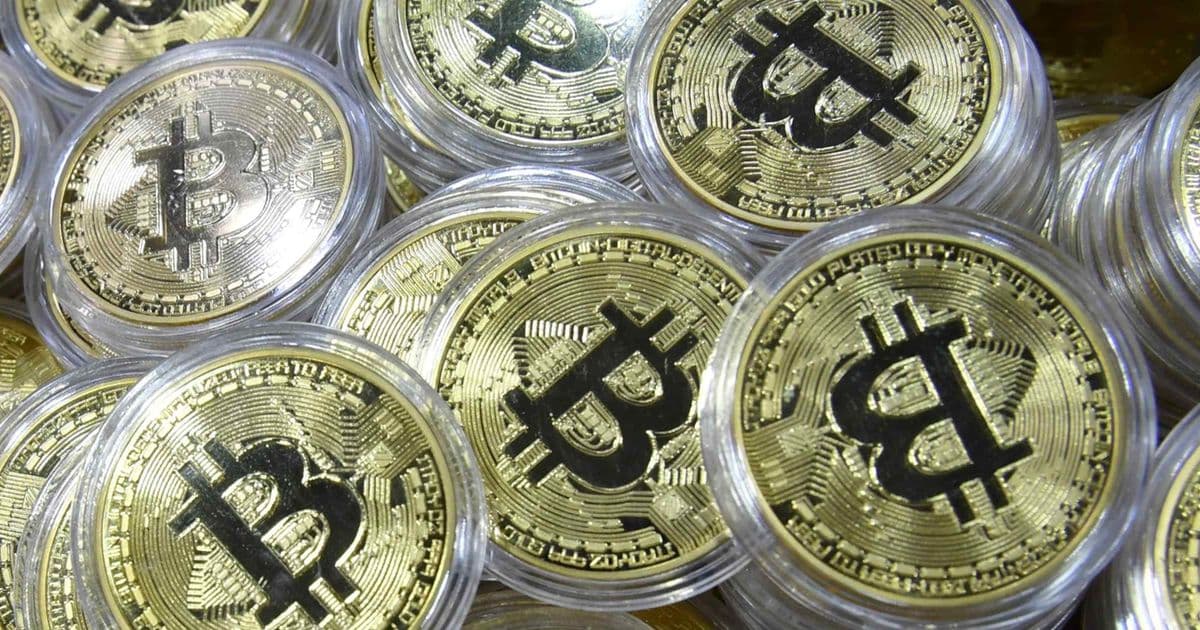
SBI Securities and Rakuten Securities prepare to launch cryptocurrency investment trusts, signaling Japan's major financial institutions' growing acceptance of digital assets as legitimate investment vehicles.
Japan's financial landscape is undergoing a significant transformation as two major securities firms, SBI Securities and Rakuten Securities, prepare to launch cryptocurrency investment trusts developed in-house. This move represents a strategic pivot for these traditional financial institutions, positioning them at the forefront of Japan's evolving digital asset market.
The announcement comes amid a regulatory environment that is gradually becoming more accommodating to cryptocurrency products in Japan. While other major securities firms like Nomura Securities are reportedly waiting for clearer regulatory frameworks before entering the space, SBI and Rakuten are demonstrating confidence in the market's direction and regulatory stability.
Cryptocurrency investment trusts, which allow investors to gain exposure to digital assets without directly holding them, have already gained traction in markets like the United States and several European countries. These products typically pool investor capital to purchase and hold a diversified portfolio of cryptocurrencies, providing a more regulated and accessible entry point for traditional investors.
For SBI and Rakuten, this expansion into crypto investment products aligns with their broader digital transformation strategies. SBI, with its existing ventures in blockchain technology and cryptocurrency exchanges, has been progressively building a comprehensive digital asset ecosystem. Similarly, Rakuten has been exploring blockchain applications across its various business lines, from loyalty programs to financial services.
The Japanese market for cryptocurrency investment products remains relatively nascent compared to global counterparts. However, with financial institutions of this caliber entering the space, the market is poised for accelerated growth. Industry analysts project that the introduction of these products could attract institutional investors who have been hesitant due to regulatory concerns or the complexity of direct cryptocurrency ownership.
Regulatory clarity has been a critical factor in Japan's approach to cryptocurrency. The country's Financial Services Agency (FSA) has implemented stringent licensing requirements for cryptocurrency exchanges and has been gradually developing a comprehensive regulatory framework for digital assets. This measured approach has positioned Japan as one of the more mature regulatory environments in Asia for cryptocurrency.
The timing of these announcements coincides with increasing institutional adoption of cryptocurrency globally. Major financial institutions worldwide have been exploring digital asset products, with some already offering cryptocurrency investment vehicles to their clients. Japan's entry into this space through established securities firms could further legitimize cryptocurrency as an asset class in traditional financial markets.
From an investor perspective, the introduction of cryptocurrency investment trusts by reputable firms like SBI and Rakuten could provide several advantages. These products may offer enhanced security measures, professional management, and potentially lower barriers to entry compared to direct cryptocurrency ownership. Additionally, the involvement of established financial institutions could lead to greater transparency and reporting standards in the crypto investment space.
The competitive landscape in Japan's cryptocurrency sector is expected to evolve rapidly as other financial institutions assess the regulatory environment and market response to SBI and Rakuten's offerings. Nomura Securities and other major players have indicated they may enter the field once regulatory frameworks become more established, suggesting a potential wave of new products in the coming years.
For the broader cryptocurrency market in Japan, this development represents a significant step toward mainstream acceptance. By offering regulated investment products through established financial channels, SBI and Rakuten are helping bridge the gap between traditional finance and the emerging digital asset economy.
As the market continues to develop, the success of these initial offerings will likely influence other financial institutions' strategies and could accelerate the development of additional cryptocurrency-related financial products in Japan. The country's progressive approach to cryptocurrency regulation, combined with the involvement of major financial players, positions Japan as a potentially significant market for cryptocurrency investment products in Asia and globally.
The strategic implications of this move extend beyond the immediate market impact. For SBI and Rakuten, participation in the cryptocurrency investment space represents an opportunity to diversify their product offerings and capture a share of the growing digital asset market. As consumer and institutional interest in cryptocurrency continues to evolve, these firms are positioning themselves to meet emerging demand through regulated, accessible investment products.
From a macroeconomic perspective, the entry of major financial institutions into the cryptocurrency space could contribute to Japan's digital economy development. By providing regulated channels for cryptocurrency investment, these firms are helping integrate digital assets into the broader financial system, potentially driving innovation and efficiency in financial services.
As the cryptocurrency market continues to mature globally, Japan's approach through established financial institutions offers a model for other countries considering similar developments. The combination of progressive regulation, institutional involvement, and investor protection measures could help foster a sustainable and responsible cryptocurrency ecosystem.
In conclusion, the launch of cryptocurrency investment trusts by SBI Securities and Rakuten Securities marks a significant milestone in Japan's financial sector. As these products become available to investors, they are likely to contribute to the broader acceptance and integration of cryptocurrency into traditional financial markets. With other major securities firms reportedly considering similar offerings, Japan appears to be on the cusp of a new era of cryptocurrency investment products, potentially positioning the country as a leader in Asia's digital asset economy.
Comments
Please log in or register to join the discussion