
The latest SDL update now includes native Steam Controller support, eliminating the dependency on the Steam client and improving cross-platform compatibility for game developers and users.
The Simple DirectMedia Layer (SDL) library has taken a significant step forward in controller support by merging the Steam Controller mapping directly into its codebase. This development, which was finalized overnight, means that the new Steam Controller (2026 model) will now work seamlessly with any application built using SDL, without requiring users to have the Steam client installed.
What This Means for Game Developers
For developers working with SDL, this integration represents a substantial improvement in controller support. SDL is a cross-platform development library designed to provide low-level access to audio, keyboard, mouse, joystick, and graphics hardware. By incorporating Steam Controller mapping directly into SDL, Valve has made it easier than ever for developers to support this unique input device.
The mapping, which was submitted as a pull request on Friday and has now been merged, addresses all the buttons and features of the new Steam Controller. This includes the trackpads, gyroscopic controls, and haptic feedback systems that make the Steam Controller distinctive from traditional gamepads.
Technical Details of the Integration
The Steam Controller mapping in SDL accounts for the differences between the original Steam Controller and the 2026 model. While both controllers share the same fundamental design philosophy, the newer model includes refined features that required specific mapping considerations.
Key aspects of the mapping include:
- Proper button assignment for all physical controls
- Trackpad sensitivity and response calibration
- Gyroscopic input handling for motion controls
- Haptic feedback implementation
- Configuration options for different input modes
This implementation allows the Steam Controller to function as a first-class citizen in the SDL ecosystem, on par with other popular controllers like the Xbox and PlayStation gamepads.
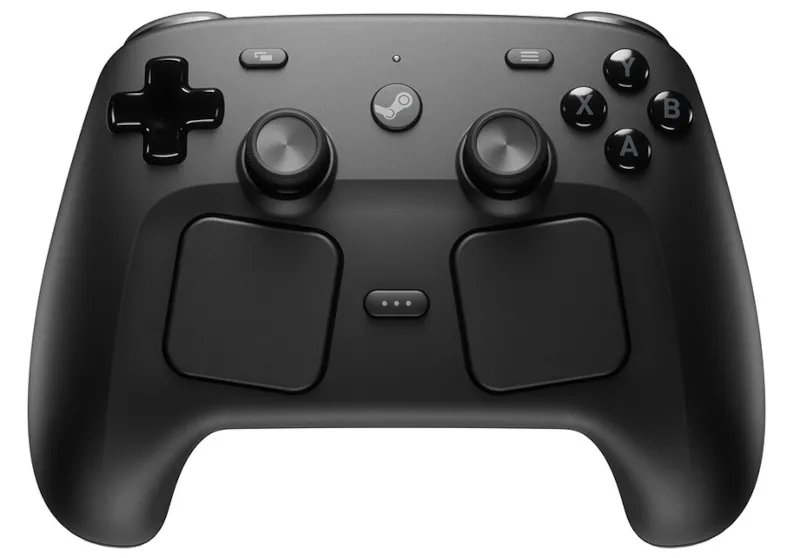
The new Steam Controller with its distinctive trackpads and ergonomic design
Benefits for End Users
For users, this integration means several important improvements:
No Steam Client Dependency: Users can now use their Steam Controller with any SDL-based application, even if they don't have Steam installed. This opens up possibilities for using the controller with indie games, emulators, and other software that wasn't previously compatible.
Improved Performance: By handling controller input directly through SDL rather than routing through the Steam client, users can expect reduced latency and more responsive controls.
Broader Compatibility: As SDL is used by countless games and applications across Windows, macOS, Linux, and other platforms, this integration dramatically expands the number of titles that can support the Steam Controller out of the box.
Standardized Experience: Users will no longer need to configure controller settings through Steam Big Picture mode for non-Steam applications, as SDL handles the mapping transparently.
History of Steam Controller Support in SDL
This isn't the first time Valve has contributed to SDL for Steam Controller support. A few days prior to this mapping merge, SDL added initial support for the Steam Controller without requiring the Steam client. However, that implementation was limited compared to the comprehensive mapping that has now been integrated.
The progression from basic support to full mapping represents Valve's continued commitment to open-source game development tools and improving the controller experience for both users and developers.
Future Implications
The integration of Steam Controller mapping into SDL could have several long-term implications:
Increased Adoption: With SDL being a foundational library for many games, this integration could lead to wider adoption of the Steam Controller beyond the Steam ecosystem.
Innovation in Controller Design: As more developers gain access to Steam Controller functionality through SDL, we may see innovative uses of its unique features in new games and applications.
Competition and Innovation: This move could spur other controller manufacturers to improve their open-source support, benefiting the entire gaming ecosystem.
Cross-Platform Consistency: Users can expect a more consistent experience when using the Steam Controller across different platforms, as SDL handles the mapping uniformly.
Getting Started with SDL Steam Controller Support
For developers interested in leveraging this new support, the implementation is now available in the SDL Git repository. The mapping is designed to work transparently with existing SDL controller code, requiring minimal changes to applications.
Users don't need to take any special steps to benefit from this integration. SDL-based applications will automatically recognize the Steam Controller and apply the appropriate mapping, provided the controller is connected to the system.
Conclusion
The merging of Steam Controller mapping into SDL represents a significant milestone for cross-platform game development and controller support. By eliminating the dependency on the Steam client and providing comprehensive mapping, Valve has made the Steam Controller more accessible to both developers and users.
This development underscores Valve's continued investment in open-source technologies and their commitment to improving the gaming experience across platforms. As SDL-based applications continue to proliferate, we can expect to see the Steam Controller supported in an increasingly wide range of software, extending its utility beyond the Steam ecosystem.
For those interested in exploring this integration further, the SDL source code is available on GitHub, and documentation for the Steam Controller support can be found in the SDL repository.
Comments
Please log in or register to join the discussion