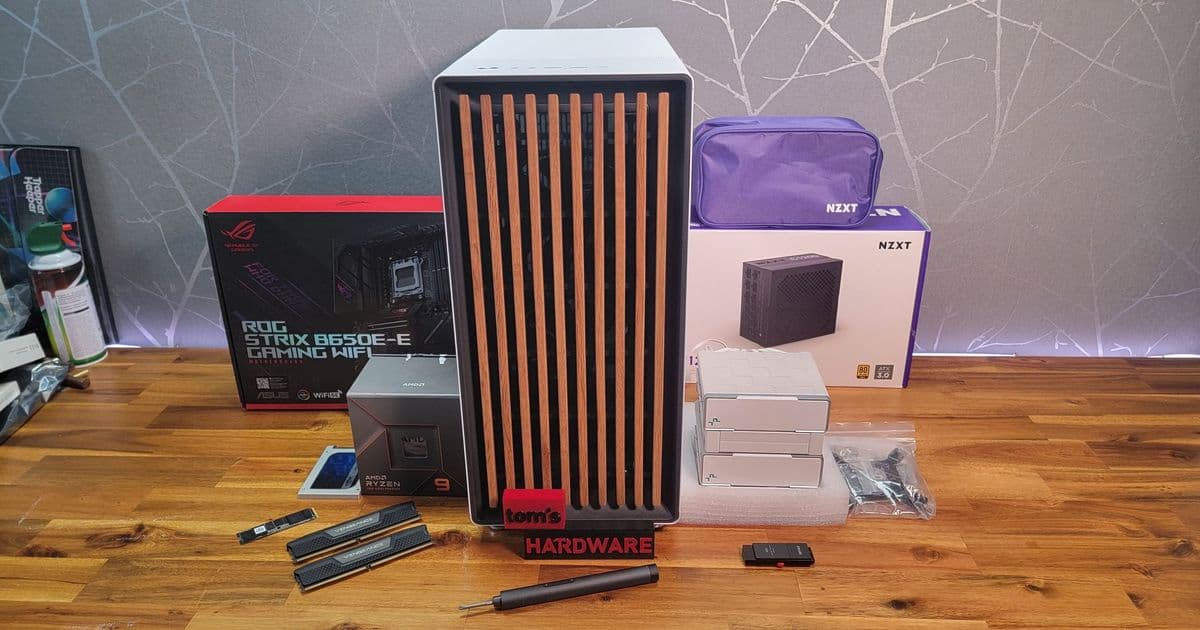
Survey reveals 60% of PC gamers plan to wait at least two years for new builds due to inflated RAM, SSD, and graphics card prices driven by AI data center demand.
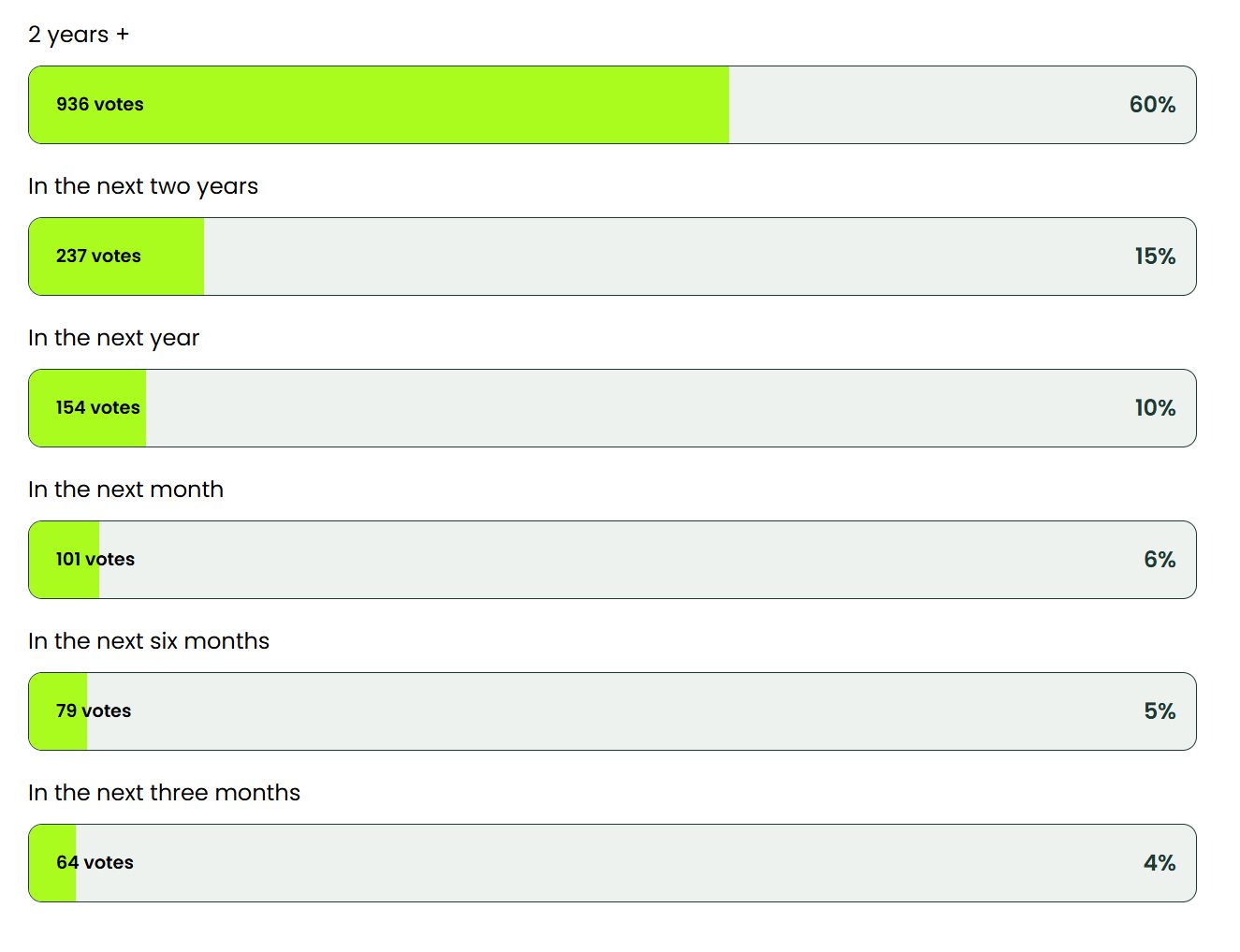
According to a comprehensive survey of over 1,500 PC enthusiasts conducted by Tom's Hardware in May, 60% of respondents have no plans to build a new PC within the next two years. This significant delay in upgrade cycles reflects a market paralyzed by component shortages and price inflation driven by artificial intelligence buildouts.
The survey data paints a stark picture of the current PC building landscape. Beyond the 60% who will wait two years or more, only 15% of total respondents plan builds within six months, while just 10% intend to build within the next three months. These figures indicate a dramatic shift from previous upgrade cycles, where enthusiasts typically refreshed their systems every 2-3 years.
Component Pricing Crisis
The primary culprit behind this market stagnation is unprecedented pricing pressure across essential components. Notably, 32GB RAM kits now cost approximately $360, representing a substantial increase from historical averages. SSD prices remain stubbornly high, while graphics cards face both shortages and significant price increases reminiscent of the cryptocurrency mining boom.
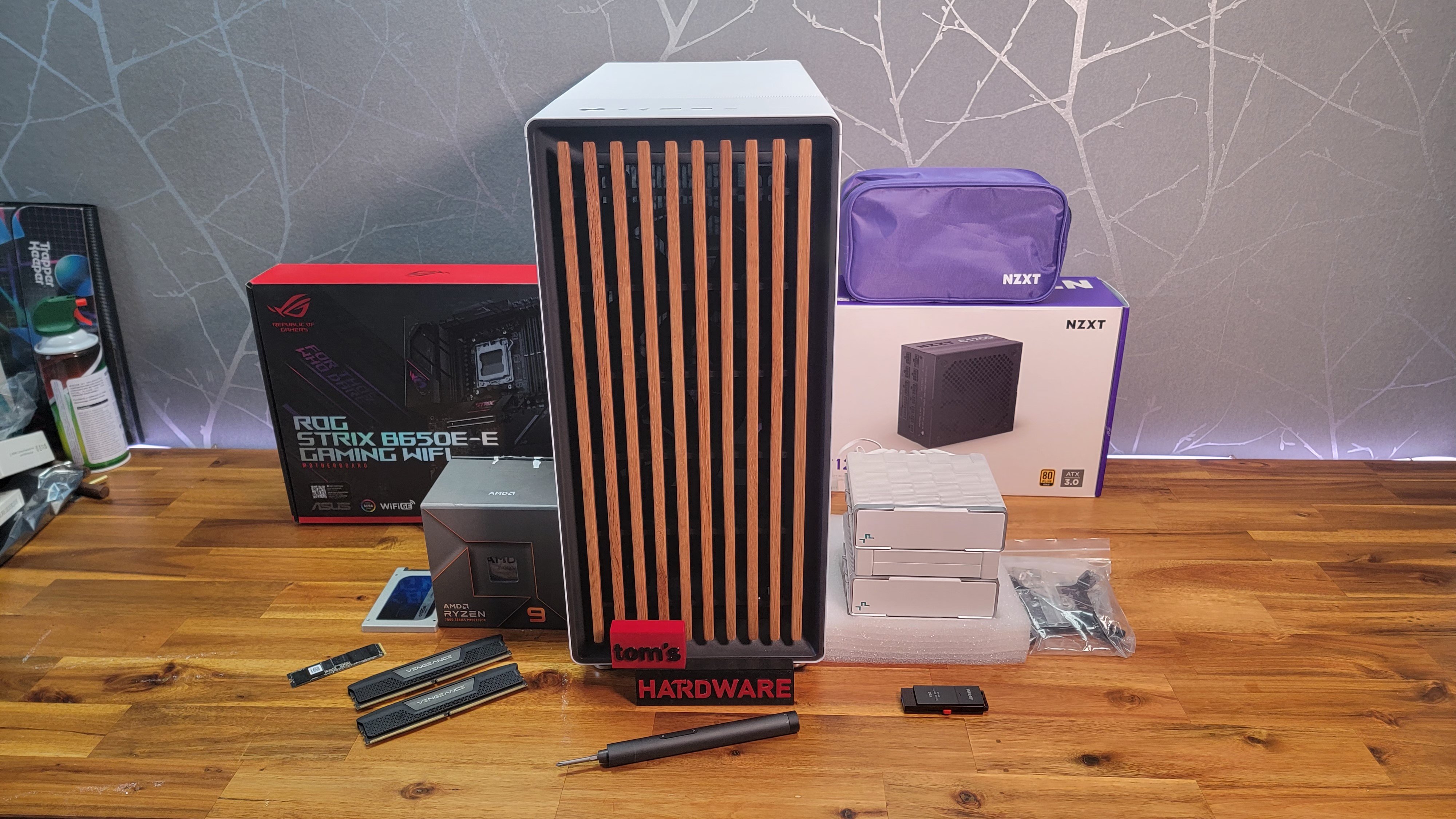
"The PC gaming industry is on its knees, driven by a global shortage of vital components required for building AI data centers," explains Stephen Warwick, Tom's Hardware News Editor. "32GB of RAM now costs $360, while most SSDs aren't much cheaper. DRAM supply and pricing pressure are also impacting graphics cards, which are succumbing to shortages and pricing increases to match the heady heights of the bitcoin mining frenzy."
AI's Impact on Semiconductor Supply
The root cause of this component crunch stems from the explosive growth of AI data centers. These facilities require massive quantities of high-performance memory and storage, effectively competing with the consumer market for limited semiconductor production capacity.
Current semiconductor manufacturing processes, particularly at advanced nodes like 5nm and 3nm, have finite output. When AI companies purchase a significant portion of this capacity, less remains available for consumer products. This dynamic has created a seller's market for memory and storage components, with manufacturers prioritizing higher-margin AI contracts.
DRAM production specifically has become a bottleneck. With each AI server requiring significantly more RAM than a typical gaming PC, the math favors data center operators in the allocation equation. The result is a classic supply-demand imbalance driving consumer prices to unsustainable levels for most enthusiasts.
Market Response and New Product Launches
Despite the challenging conditions, semiconductor manufacturers continue to release new products. AMD's Ryzen 7 9850X3D and Intel's Arrow Lake Refresh CPUs have recently entered the market, but these launches haven't been sufficient to stimulate significant upgrade activity.
"Aside from the odd Newegg bundle, building a PC in 2026 is a bleak prospect, and it appears that new SKUs such as AMD's Ryzen 7 9850X3D and Intel's plucky Arrow Lake Refresh CPUs haven't been enough to buoy a stagnating market," Warwick notes.
Consumer Behavior and Expectations
The survey results reveal a shift in consumer behavior, with many enthusiasts opting to extend their current PC's lifespan rather than face inflated component costs. This trend suggests that the traditional PC upgrade cycle may be permanently altered if current market conditions persist.
Of the 40% who do plan to build within two years, only 25% intend to attempt a new build within the next 12 months. This progressive decrease in upgrade intent as the timeline shortens reflects a realistic assessment of market conditions by PC enthusiasts.
Many builders are reportedly waiting for major retail events like Amazon Prime Day or Black Friday sales, hoping for price reductions. However, industry analysts suggest that even these traditional discount periods are unlikely to bring prices close to pre-AI crunch levels.
Industry Implications
This extended upgrade cycle has significant implications across the PC ecosystem. Component manufacturers may need to adjust production forecasts, while PC case and peripheral manufacturers could experience reduced demand. System integrators who rely on component availability face particular challenges in providing competitively priced pre-built systems.
The situation also highlights the growing tension between AI development and consumer technology access. As AI continues to expand, the semiconductor industry may need to develop strategies to ensure adequate supply for consumer markets, potentially through dedicated production lines or priority allocation systems.

Future Outlook
The current market situation appears unlikely to improve significantly in the near term. With AI development accelerating rather than slowing, the pressure on semiconductor supplies will likely continue. However, several factors could eventually alleviate the situation:
- Increased semiconductor manufacturing capacity
- Development of more memory-efficient AI architectures
- Potential market saturation in AI data center construction
- New semiconductor manufacturing technologies
Until these factors materialize, PC builders face a challenging landscape where the cost of upgrading may outweigh the benefits for a growing segment of the market. The survey results suggest that many enthusiasts are making rational economic decisions to delay purchases until market conditions normalize.
For the latest updates on PC component pricing and availability, readers can follow Tom's Hardware on Google News or tomshardware.com/newsletter) for in-depth analysis and reviews.
Comments
Please log in or register to join the discussion