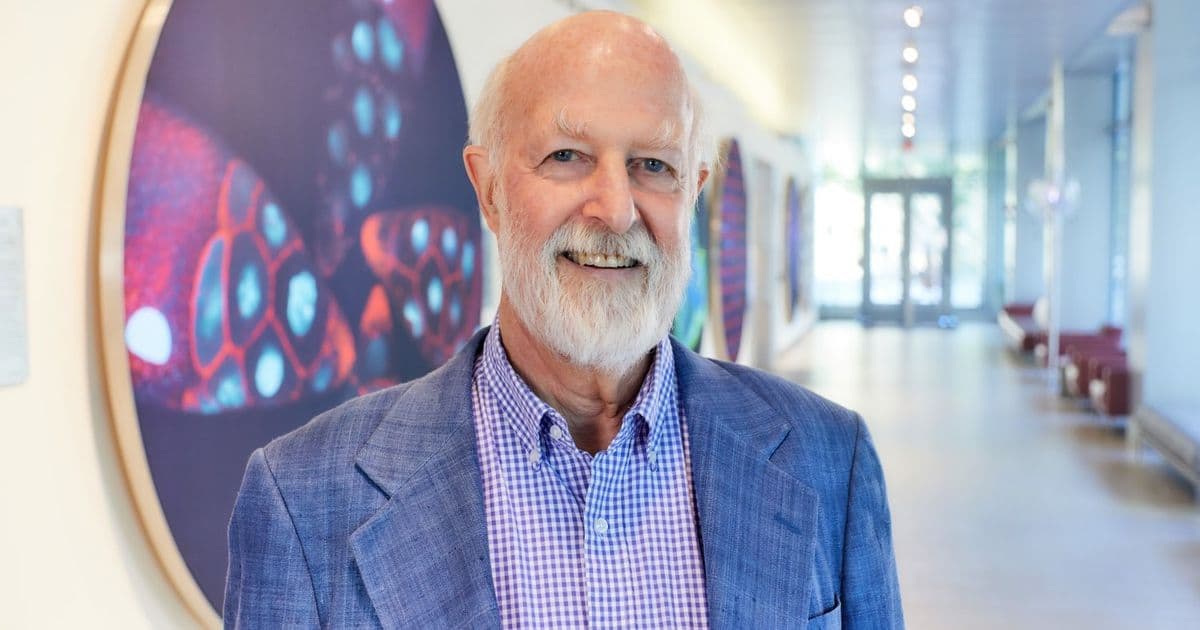
MIT Professor Emeritus Richard Hynes, whose discoveries of integrins reshaped cancer biology and cell adhesion research, passed away at 81 after five decades of scientific leadership.
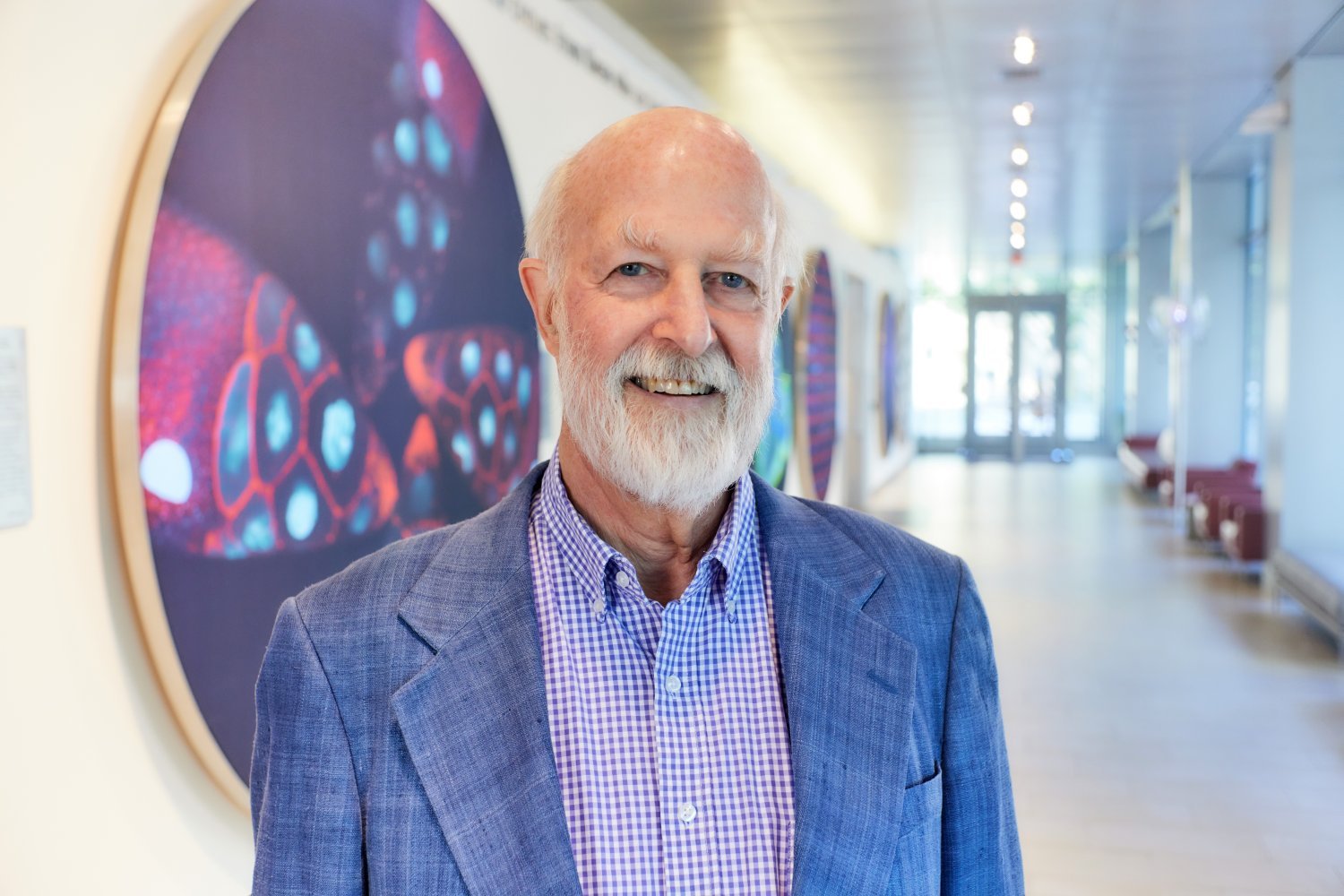
Richard O. Hynes PhD '71, whose fundamental discoveries about how cells adhere to their surroundings transformed cancer biology and developmental science, died January 6 at age 81. The Daniel K. Ludwig Professor for Cancer Research, Emeritus spent over 50 years at MIT studying cellular adhesion mechanisms that became central to understanding metastasis, tissue formation, and therapeutic development.
Foundations of Cell-Matrix Biology
Hynes' pioneering work began during his postdoctoral research at the Institute of Cancer Research in the UK, where he identified fibronectin—a key extracellular matrix protein frequently lost during cancer progression. This discovery led him to uncover integrins, a family of 24 cell-surface receptors that physically connect cells to their microenvironment. These receptors serve as critical communication channels between cells and their surroundings, governing processes from embryonic development to blood clotting.
"Richard's work revealed how tumor cells detach from primary sites during metastasis," explains Matthew Vander Heiden, director of MIT's Koch Institute. "His lab demonstrated that loss of fibronectin enables cancer cells to escape their original location, while integrins facilitate their migration and colonization of distant organs."
From Basic Research to Clinical Impact
The clinical implications of Hynes' research extended far beyond cancer. His investigations into integrin functions enabled the development of therapies for autoimmune disorders like multiple sclerosis and provided diagnostic biomarkers for fibrosis and thrombosis. Later work uncovered how extracellular matrix composition influences immunotherapy efficacy, particularly regarding natural killer cell recruitment to tumors.
As proteomics advanced, Hynes' lab developed novel matrix isolation techniques to map protein signatures distinguishing healthy and diseased tissues. This led to discoveries about how platelets collaborate with tumor cells to remodel extracellular matrices, creating pathways for invasion. These findings formed the basis for Matrisome Bio, a biotechnology company Hynes co-founded to develop matrix-targeted cancer therapies.
Mentorship and Leadership Legacy
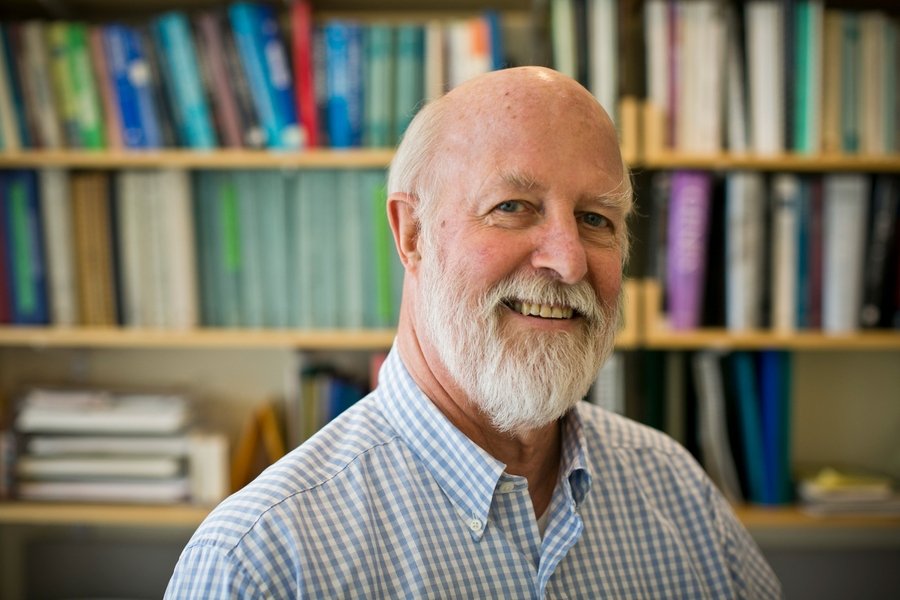
Beyond research, Hynes shaped scientific culture through mentorship and institutional leadership. As head of MIT's Department of Biology (1989-1991) and director of the MIT Center for Cancer Research (1991-2001), he fostered interdisciplinary collaboration that paved the way for the Koch Institute's creation. His trainees now lead academic labs and biotech companies worldwide.
"Richard centered his trainees' goals while maintaining rigorous scientific standards," says Noor Jailkhani, CEO of Matrisome Bio and former Hynes Lab postdoc. "His integrity in both personal and professional interactions set a lasting example."
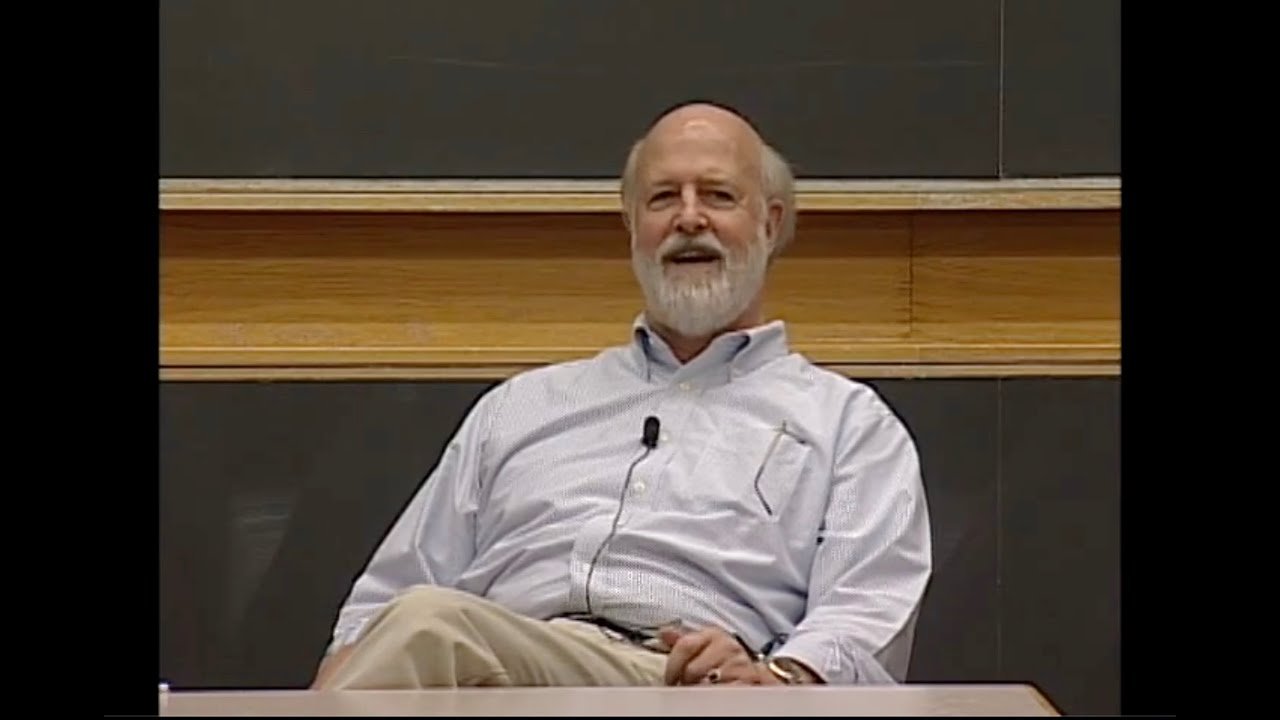 Play video: Richard Hynes discusses his career path to MIT
Hynes' contributions earned numerous honors, including the 2022 Albert Lasker Basic Medical Research Award shared with Timothy Springer and Erkki Ruoslahti. He was elected to the National Academy of Sciences, National Academy of Medicine, and Royal Society of London.
Personal and Professional Ethos
Born in Kenya and raised in Liverpool, Hynes credited his scientist parents for fostering his curiosity through questioning rather than providing answers. At Cambridge University, he studied amidst the excitement following Watson and Crick's DNA structure discovery. After marrying, he moved to MIT for doctoral work on sea urchin embryology before shifting focus to cell adhesion.
Colleagues remember his distinctive combination of intellectual clarity and community spirit. "He approached complex problems with thoughtfulness few achieve," notes Vander Heiden. Tyler Jacks, founding director of the Koch Institute, adds: "I learned a great deal from Richard at every level—he encouraged drop-in conversations about science and leadership challenges."
Hynes is survived by his wife Fleur, two sons, and four grandchildren. His legacy endures through ongoing research in extracellular matrix biology and the generations of scientists he trained.
Comments
Please log in or register to join the discussion