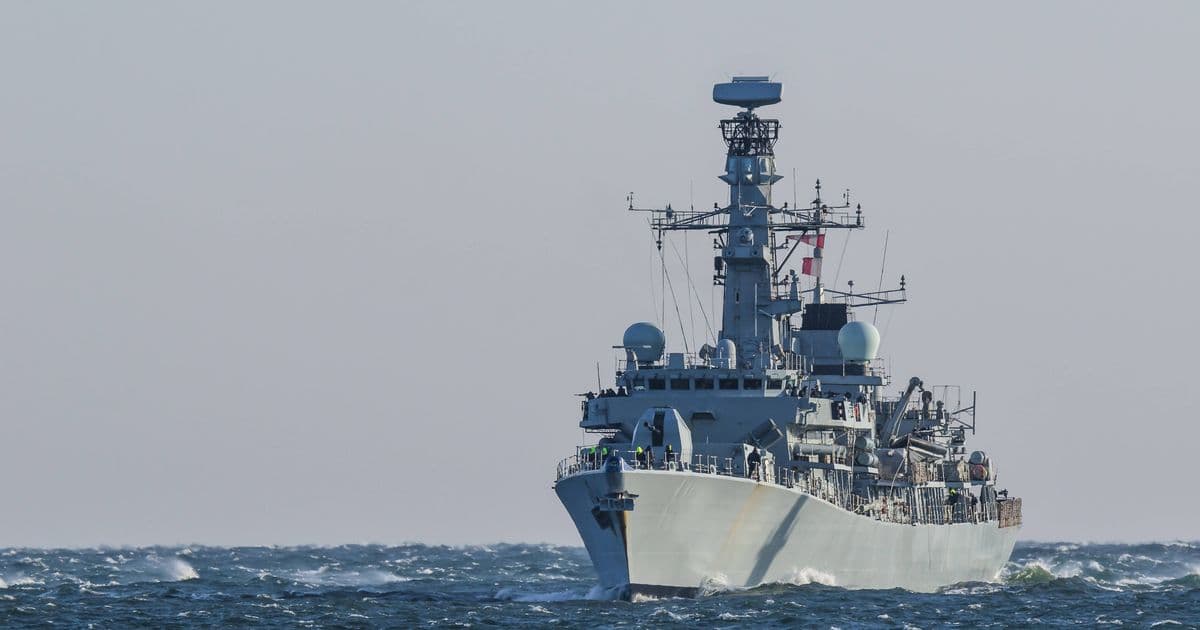
Britain's Royal Navy is transitioning toward a fleet mixing crewed ships with autonomous drones and robotic vessels to address security challenges while raising questions about autonomous weapons regulation and international oversight.
The Royal Navy has unveiled a significant transformation plan dubbed the 'Hybrid Navy,' which integrates traditional crewed warships with uncrewed drones and autonomous systems to address growing security challenges. This shift comes as the navy faces operational constraints and evolving threats, particularly from advanced drone technologies and submarine warfare.
In a speech at the Royal United Services Institute (RUSI), First Sea Lord General Sir Gwyn Jenkins emphasized that while traditional naval platforms remain essential, adopting new technologies is critical for future capabilities. "There was still very much a place for the navy in the modern world, but that adopting new technology is critical to its future capabilities," Jenkins stated.
The Hybrid Navy concept addresses vulnerabilities exposed by recent conflicts. The closure of the Strait of Hormuz by Iran demonstrated both the importance of sea power for maintaining trade routes and the vulnerability of traditional vessels to modern threats like low-cost suicide drones. Ukraine's success in damaging a third of Russia's Black Sea Fleet further highlighted how conventional naval assets can be overwhelmed by emerging technologies.
"Can we fight today, and if so, with what? I am not here to dodge these questions. I am here to show you that we have a plan – and that the Royal Navy is rising to the challenge," Jenkins said.
The plan encompasses five key areas, with the Hybrid Navy representing one component. This vision transforms the fleet into a mix of crewed, uncrewed, and autonomous assets, where traditional air, surface, and subsurface systems work alongside drones and advanced weapon systems. Specific goals include deploying uncrewed escort ships alongside Royal Navy warships within two years and launching jet-powered drones from carriers next year as part of Project VANQUISH.
The initiative addresses significant fleet limitations. Despite possessing two aircraft carriers, the Royal Navy operates only seven Type 23 frigates (down from an original 16) and six Type 45 destroyers (half of which are undergoing long-term upgrades). This stretched capacity is particularly concerning given the need to guard the North Atlantic against Russian naval activity, which includes approximately 66 submarines.
The regulatory landscape surrounding autonomous weapons systems remains complex. International humanitarian law requires that weapons systems be capable of distinguishing between military targets and civilians, but autonomous systems operating in complex naval environments face significant challenges in meeting these requirements. The absence of a comprehensive international regulatory framework for naval autonomous systems creates legal uncertainties for military planners and compliance officers.
The Hybrid Navy plan includes three main components:
- Atlantic Bastion: Building a layered sensor network across the North Atlantic
- Atlantic Shield: Focusing on integrated air and missile defense
- Atlantic Strike: Developing hybrid carrier strike groups with precision long-range strike capabilities
The Royal Navy has already begun implementing elements of this strategy, including wargames to test the Hybrid Navy concept and the acquisition of 20 uncrewed boats from UK firm Kraken Technology for use by 47 Commando Royal Marines.
Privacy advocates have raised concerns about the surveillance capabilities of expanded naval drone networks, particularly as these systems increasingly incorporate advanced sensors and data collection technologies. The expanded presence of naval drones could significantly increase maritime surveillance capabilities, raising questions about data protection for civilian vessels operating in international waters.
"Our island's history shows us why it must be done," Jenkins said regarding the transformation, though he acknowledged that "some may feel uncomfortable about the pace of this transformation." The timeline aims for significant progress by 2029 when Jenkins is scheduled to depart his position.
The success of this ambitious plan will depend not only on technological development but also on adequate funding from the UK government and the evolution of international norms governing autonomous naval systems. As naval warfare continues to evolve, the Royal Navy's Hybrid Navy represents both a response to immediate security challenges and a glimpse into the future of maritime operations.
For more information on autonomous naval systems, you can explore the Royal United Services Institute research publications and the Project VANQUISH documentation available through the UK government portal.
Comments
Please log in or register to join the discussion