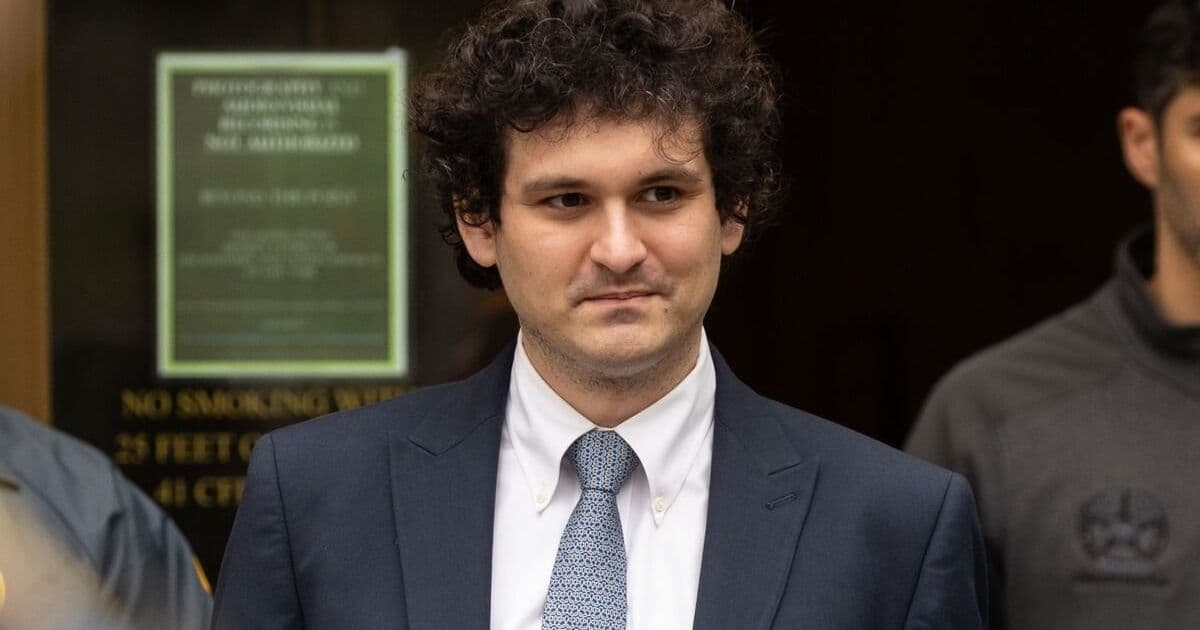
Former FTX CEO Sam Bankman-Fried, currently serving 25 years for fraud, has filed a long-shot request for a new trial, claiming new witness testimony could potentially refute the prosecution's case.
Sam Bankman-Fried, the disgraced founder of the collapsed cryptocurrency exchange FTX, has filed a long-shot request for a new trial while serving his 25-year prison sentence for fraud. The appeal, filed by his legal team, claims that new witness testimony could potentially refute key elements of the prosecution's case that led to his conviction in November 2023.
The request comes as Bankman-Fried continues to serve his sentence at a federal prison in California. His legal team argues that recently uncovered evidence and witness accounts could cast doubt on the government's narrative about his role in FTX's collapse and the alleged misappropriation of customer funds.
Bankman-Fried was convicted on seven counts of fraud and conspiracy related to the theft of billions of dollars from FTX customers. Prosecutors alleged he used customer deposits to fund risky trades at his hedge fund Alameda Research and make political donations, ultimately leading to FTX's dramatic collapse in November 2022.
The appeal represents one of Bankman-Fried's final attempts to overturn his conviction. Legal experts have described the request as a "long shot," given the strength of the evidence presented during the original trial and the high bar for granting new trials in federal cases.
During the trial, prosecutors presented extensive documentation showing how Bankman-Fried and his inner circle diverted customer funds for personal use and to prop up Alameda Research. The defense argued that Bankman-Fried acted in good faith and that any misuse of funds was unintentional.
Bankman-Fried's legal team has not disclosed the specific nature of the new witness testimony, but they claim it could fundamentally alter the understanding of events leading to FTX's collapse. The government has yet to respond to the filing, and it remains unclear whether the court will consider the request.
The case has become a landmark in cryptocurrency regulation, with regulators worldwide citing FTX's collapse as evidence of the need for stricter oversight of digital asset exchanges. Bankman-Fried's conviction was seen as a major victory for prosecutors in their efforts to hold cryptocurrency executives accountable for fraud.
Legal analysts note that even if the court grants a hearing on the new evidence, it would be an uphill battle for Bankman-Fried to secure a new trial. The original case featured testimony from former close associates who turned against him, including Caroline Ellison, Gary Wang, and Nishad Singh, who pleaded guilty and cooperated with prosecutors.
The appeal adds another chapter to the saga of FTX's collapse, which wiped out billions in customer assets and sent shockwaves through the cryptocurrency industry. The case has also raised questions about the role of venture capital firms and other investors who backed Bankman-Fried despite warning signs about FTX's financial practices.
As the legal proceedings continue, Bankman-Fried remains incarcerated while his appeal works its way through the court system. The outcome of this latest filing could have significant implications for both his future and the broader cryptocurrency regulatory landscape.
[IMAGE:1]
The long-shot nature of Bankman-Fried's appeal reflects the challenges faced by defendants seeking to overturn high-profile convictions, particularly in cases involving complex financial crimes. Courts generally require compelling new evidence that could not have been discovered during the original trial and that would likely result in an acquittal.
Bankman-Fried's case continues to attract attention from both the cryptocurrency community and mainstream financial observers, serving as a cautionary tale about the risks of centralized exchanges and the importance of proper financial controls in the digital asset industry.
Comments
Please log in or register to join the discussion