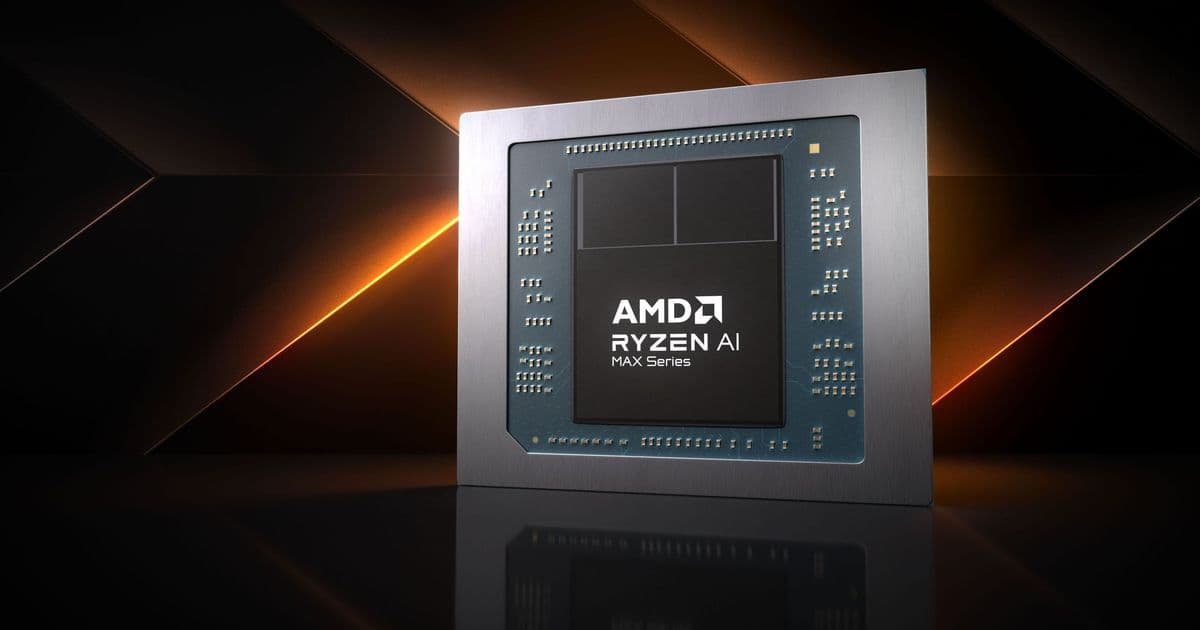
AMD's future Medusa Halo APUs may support LPDDR6 memory, potentially delivering up to 691 GB/s bandwidth for gaming and AI workloads.
AMD's roadmap for high-end APUs continues to expand, with new leaks suggesting that the company's future "Medusa Halo" processors could support LPDDR6 memory, delivering a substantial performance boost over current-generation Strix Halo chips. According to a recent leak from reputable source Olrak29_, the next-generation APU family slated for 2027-2028 could feature Zen 6 CPU cores, RDNA 5 graphics, and crucially, support for the upcoming LPDDR6 memory standard.
Current Generation Bandwidth Limitations
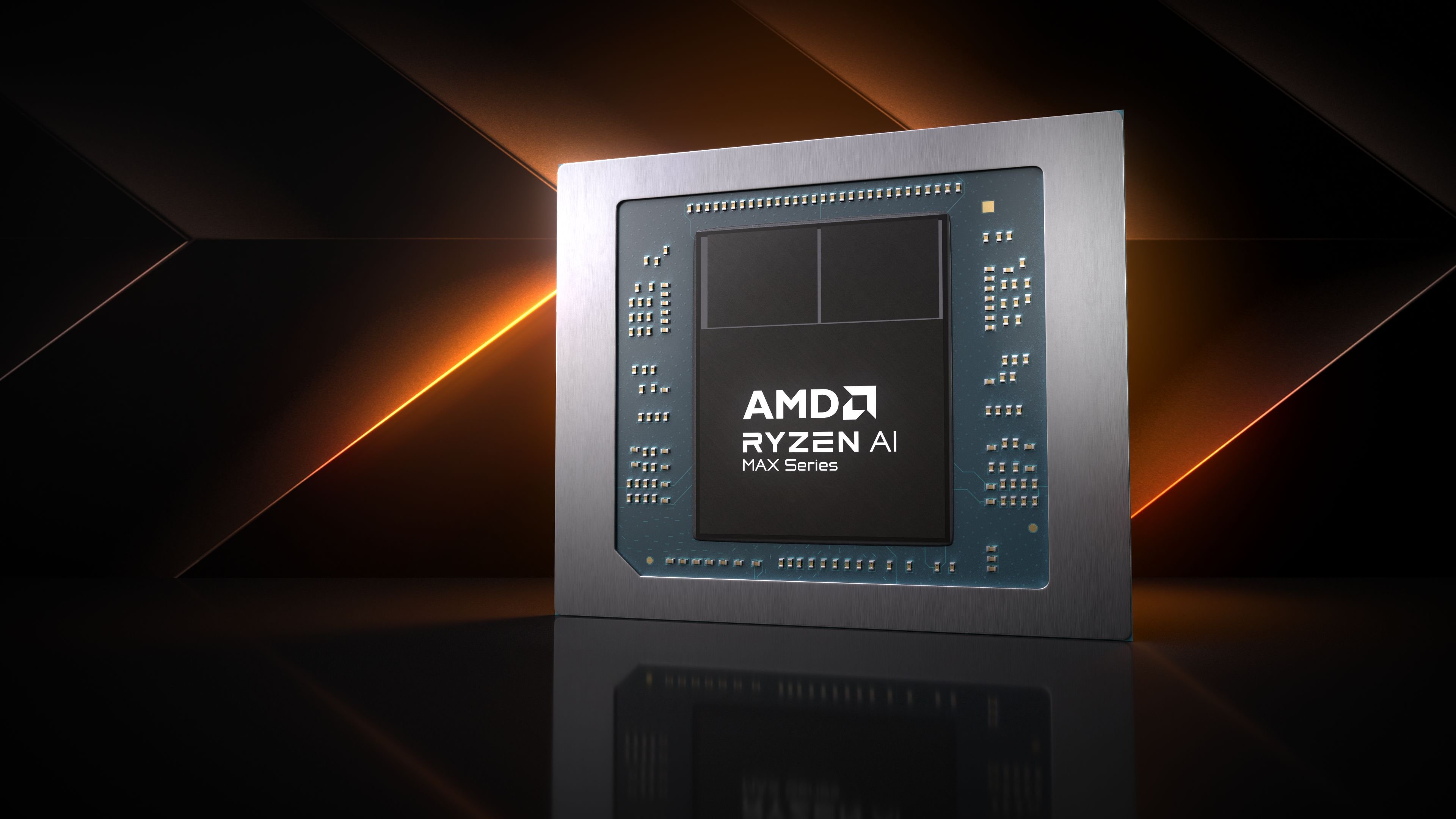
The current Strix Halo APUs feature a 256-bit wide LPDDR5X memory controller supporting 8,000 MT/s speeds, resulting in a maximum memory bandwidth of 256 GB/s. This configuration has already proven impressive for an integrated solution, enabling high-end gaming performance and AI workloads on a single chip. However, the memory bandwidth remains a limiting factor for more demanding applications.
Gorgon Halo Refresh: Incremental Improvements
Before Medusa Halo arrives, AMD plans to refresh its lineup with "Gorgon Halo," which will bring the current generation up to date with the recently announced Ryzen AI Max 400 series. This refresh is expected to increase memory speeds to 8,533 MT/s, pushing bandwidth to approximately 273.1 GB/s - a modest but meaningful improvement.
Medusa Halo: The LPDDR6 Revolution
The real leap forward comes with Medusa Halo's purported LPDDR6 support. Even maintaining the same 256-bit memory bus width, LPDDR6 at 14,400 MT/s would deliver an impressive 460.8 GB/s of memory bandwidth. This represents an 80% increase over current Strix Halo configurations and would significantly enhance both gaming performance and AI workloads.
Potential 384-bit Bus Configuration
Prior rumors have suggested that Medusa Halo could feature an even wider 384-bit memory bus. If combined with LPDDR6 memory, this configuration would deliver an astounding 691.2 GB/s of memory bandwidth - approaching the levels seen in some discrete GPU configurations.
Why Memory Bandwidth Matters
Higher memory bandwidth is particularly crucial for APUs like the Halo series for several reasons:
Gaming Performance: Limited memory bandwidth has traditionally been a bottleneck for integrated graphics. The increased throughput would allow higher resolutions and more detailed textures in games.
AI Workloads: Large Language Model (LLM) inference relies heavily on memory bandwidth for high performance. The shared memory architecture of APUs makes raw throughput especially important for AI applications.
Unified Memory Architecture: Unlike systems with discrete graphics cards, APUs must share memory between CPU and GPU operations, making efficient memory access critical for overall system performance.
Competitive Landscape
AMD's competitors aren't standing still in the memory bandwidth race:
Intel's Panther Lake: Currently features the fastest x86 memory controller with support for LPDDR5X-9600, though Intel has publicly stated it won't build an integrated graphics processor as large as Strix Halo's.
Apple's M-series: The M3 Ultra tops out at 819 GB/s using a 1,024-bit interface, demonstrating the performance advantages of wider memory buses and high-speed memory.
Timeline and Expectations
It's important to note that these specifications remain speculative at this stage. AMD hasn't even confirmed the Gorgon Halo refresh, let alone Medusa Halo, which is likely still a couple of years away. The company recently unveiled two new Strix Halo SKUs at CES, indicating that the current generation still has room to grow.
Roadmap leaks suggest AMD will maintain RDNA 3.5 graphics across most of its lineup through 2027-2028, but Medusa Halo could be an exception with its RDNA 5 graphics architecture.
Looking Ahead
The potential for LPDDR6 support in Medusa Halo represents a significant evolution in APU capabilities. By dramatically increasing memory bandwidth while maintaining the power efficiency benefits of integrated solutions, AMD could create processors that blur the line between high-end APUs and entry-level discrete GPU systems.
As the competition in the high-performance APU market intensifies, memory bandwidth will likely remain a key battleground. With Medusa Halo, AMD appears poised to make a substantial leap forward, potentially redefining what's possible with integrated graphics solutions.
Comments
Please log in or register to join the discussion