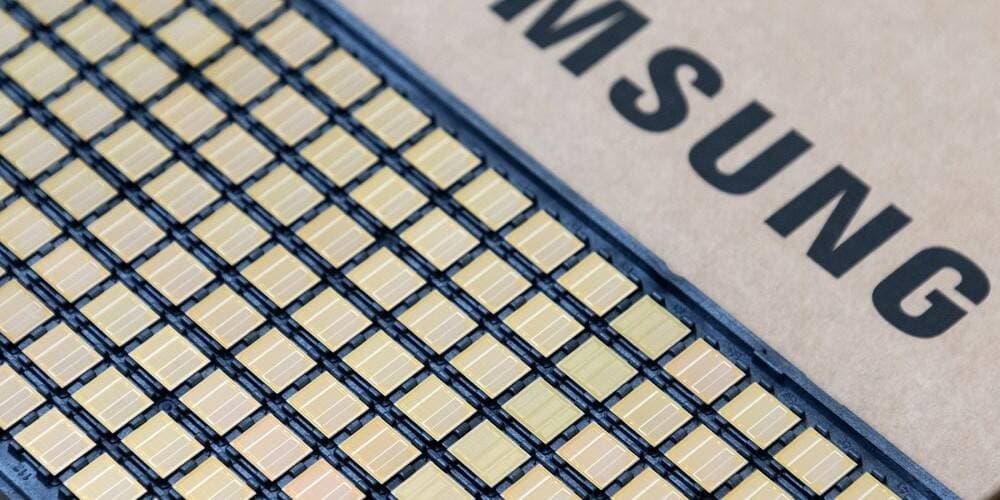
Samsung and Micron have initiated mass production of HBM4 memory, delivering up to 3.3TB/s bandwidth and 40% better energy efficiency, enabling Nvidia's upcoming Vera Rubin AI accelerators while reshaping server hardware requirements.
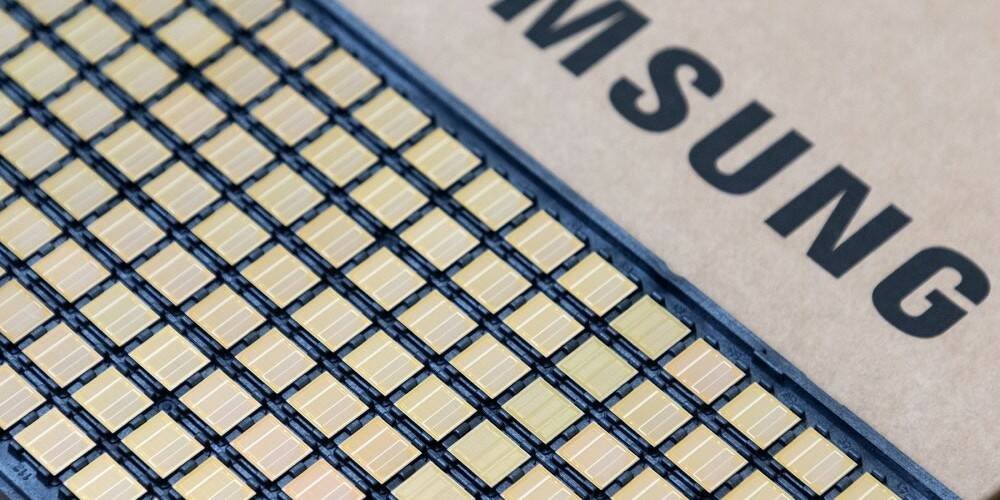
Samsung and Micron have simultaneously commenced volume shipments of HBM4 memory, marking a critical milestone for next-generation AI hardware. Samsung confirmed mass production of its 24GB and 36GB HBM4 stacks with shipments to an undisclosed customer—widely speculated to be Nvidia—while Micron announced it has likewise initiated high-volume production and pre-sold its entire 2026 output. This synchronized launch directly enables Nvidia's Vera Rubin GPU platform, scheduled for Q2 2026 deployment, and introduces substantial performance and efficiency gains over current HBM3E technology.
Performance Benchmarks and Technical Specifications
Samsung's HBM4 operates at a base speed of 11.7Gbps with overclocking headroom reaching 13Gbps under optimized conditions. This translates to 3.3 terabytes per second (TB/s) of bandwidth per stack—a 38% increase over HBM3E's peak 2.4TB/s. Micron's implementation similarly exceeds 11Gbps, with both manufacturers emphasizing yield stability despite the accelerated production timeline.
Thermal management sees significant improvements: Samsung reports a 10% enhancement in thermal resistance and 30% better heat dissipation compared to HBM3E. Power efficiency gains are even more dramatic, with Samsung claiming 40% lower energy consumption per operation. For context, a typical eight-stack HBM3E configuration consumes approximately 600W; HBM4 reduces this to 360W while delivering higher bandwidth.
| Metric | HBM3E | HBM4 | Improvement |
|---|---|---|---|
| Bandwidth/Stack | 2.4 TB/s | 3.3 TB/s | +38% |
| Base Speed | 9.2 Gbps | 11.7 Gbps | +27% |
| Power Efficiency | Baseline | 40% Lower | Major Gain |
| Max Capacity | 24GB | 36GB* | +50% |
| *Samsung plans 48GB stacks later in 2026 |
Build Recommendations for Vera Rubin Systems
Nvidia's Vera Rubin GPUs will require HBM4, necessitating hardware adjustments for AI server builders:
- Cooling Systems: Despite improved thermal characteristics, the 3.3TB/s bandwidth density demands advanced cooling. Direct-to-chip liquid cooling is recommended for multi-GPU deployments. Air-cooled solutions must support sustained 800W+ thermal design power (TDP) per accelerator card.
- Power Delivery: While HBM4 is more efficient per stack, Vera Rubin's rumored 1000W+ TDP requires redundant 2kW+ power supplies per node. Use 80Plus Platinum or Titanium PSUs with 12VHPWR connectors.
- Platform Compatibility: Early adopters should prepare for PCIe 6.0/7.0 interfaces and new server boards like the NVIDIA MGX reference architecture. Memory interposer designs may necessitate chassis modifications for optimal signal integrity.
- Procurement Strategy: With Micron's 2026 supply entirely pre-sold, prioritize vendor relationships with Samsung or SK Hynix (expected to ship soon). Lead times of 6+ months are likely.
Market Impact and Long-Term Outlook
The HBM4 rollout intensifies existing memory market pressures. Samsung forecasts 2026 HBM sales to triple versus 2025, while Micron's stock surged 10% on its production announcement. However, diverted production capacity from DDR5 and LPDDR5X to HBM4 will exacerbate shortages, potentially elevating consumer DRAM prices by 15-20% through Q3 2026.
For homelab enthusiasts, repurposed HBM3E hardware may become accessible on secondary markets as enterprises upgrade. Still, HBM4's prohibitive cost—estimated at $2,500+ per 36GB stack—cements its role exclusively in hyperscale AI deployments. As Samsung and Micron race toward 48GB stacks and HBM4E sampling in late 2026, builders must balance Vera Rubin's performance leap against infrastructure costs and availability constraints.
Comments
Please log in or register to join the discussion