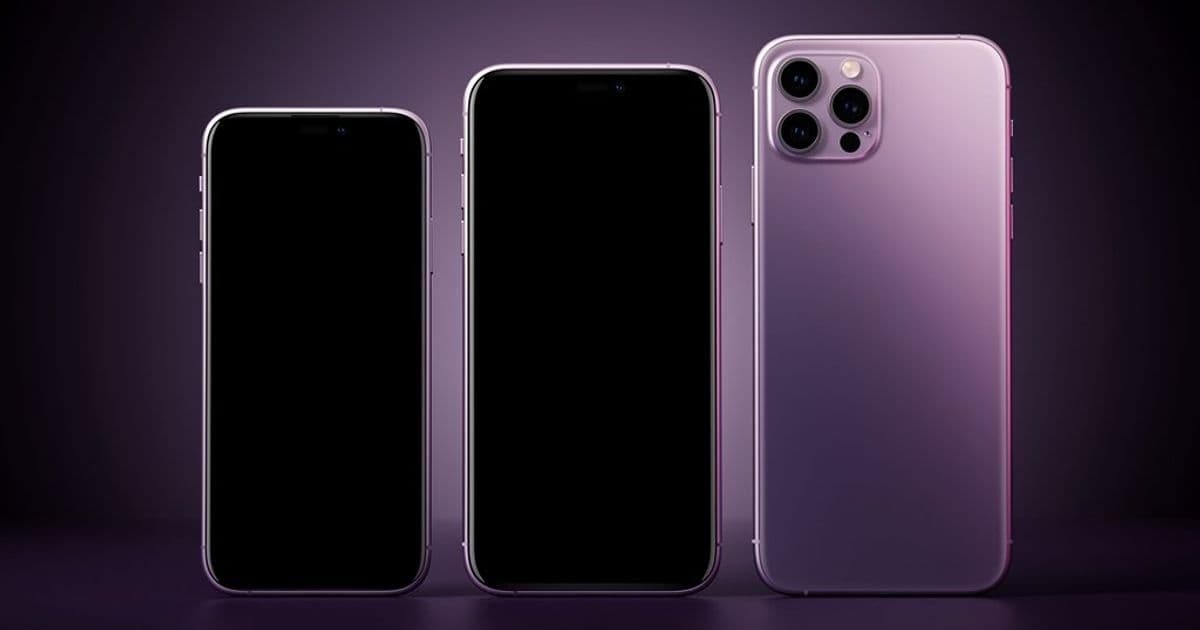
Samsung's own promotional materials confirm the Galaxy S26 series will stick to the familiar S26, S26+, and S26 Ultra naming, effectively ending the short-lived Edge experiment and leaving no room for a Pro variant.
Samsung has officially laid to rest speculation about the Galaxy S26 series lineup, and the answer is straightforward: there will be no Galaxy S26 Edge and no Galaxy S26 Pro. The confirmation comes not from a leak or rumor, but from Samsung's own promotional materials.
A PDF document published by Samsung Colombia, detailing upcoming promotions, explicitly lists the Galaxy S26 series as comprising the Galaxy S26, Galaxy S26+, and Galaxy S26 Ultra. This is the clearest official statement yet on the company's flagship smartphone strategy for 2026, leaving no ambiguity about the absence of the rumored Edge and Pro models.
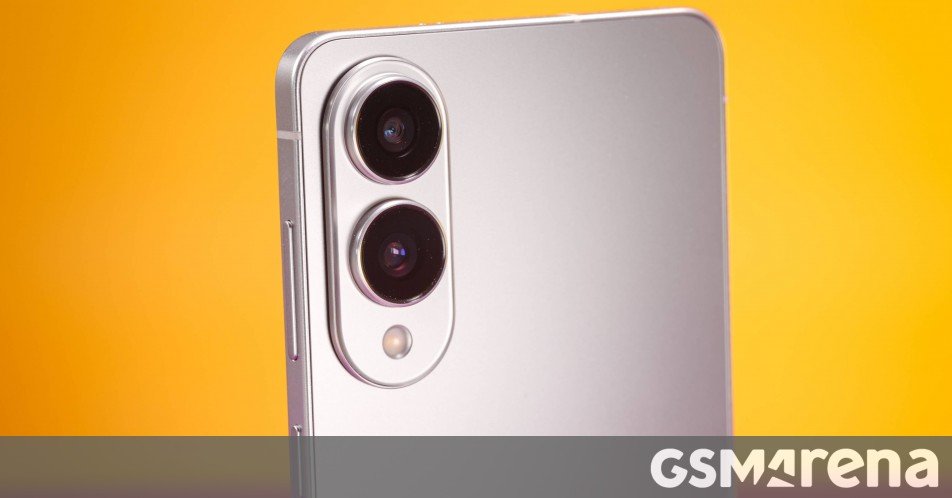
This news follows months of speculation and early rumors suggesting Samsung might be rethinking its naming conventions. The Galaxy S25 Edge, launched in 2025, was widely seen as a confusing and underwhelming addition to the lineup—a device that occupied a nebulous middle ground between the standard model and the Ultra, offering minor design tweaks without compelling new features. Its reception was lukewarm at best, with many consumers and critics questioning its value proposition.
The decision to drop the Edge designation for the S26 generation signals a strategic retreat. Samsung appears to be streamlining its flagship portfolio back to a clear, three-tier structure that consumers have understood for years: a base model, a plus model with larger size and battery, and an ultra-premium flagship with the best cameras and features. This simplification reduces marketing complexity and helps customers make clearer choices without navigating confusing sub-brand names.
The absence of a Galaxy S26 Pro is equally telling. While "Pro" has become a common suffix in the smartphone industry (used by Apple, Google, and others), Samsung has consistently resisted applying it to its main Galaxy S line. The company reserves the "Pro" designation for other product categories, like its tablets and laptops. For smartphones, the "Ultra" moniker serves as the ultimate tier, and introducing a "Pro" model would have created an unnecessary hierarchy within the existing Ultra tier.
For ecosystem considerations, this streamlined lineup makes sense. Samsung's software updates, accessory compatibility, and carrier partnerships are all built around the core S, S+, and Ultra models. Adding new variants like Edge or Pro would have fragmented this ecosystem, requiring separate development paths for cases, screen protectors, and software optimizations. By sticking to the proven trio, Samsung ensures a more cohesive experience for users and developers alike.
The leaked Colombian PDF also suggests that any future "Edge" model, if it ever materializes, would likely be a delayed or special edition release rather than a core part of the annual flagship cycle. This aligns with Samsung's historical approach to experimental designs, such as the Galaxy Fold series, which launched separately from the main S line and operated on its own development timeline.
Industry analysts note that this move reflects a broader trend in the smartphone market. As growth slows and competition intensifies, manufacturers are focusing on perfecting their core product lines rather than experimenting with confusing sub-brands. Consumers have shown they prefer clear, predictable naming conventions that make it easy to understand what they're buying and what they're paying for.
For Samsung, this decision also simplifies its supply chain and manufacturing. Producing three distinct models instead of four or five reduces complexity and cost, allowing the company to focus resources on meaningful upgrades rather than marketing gimmicks. This is particularly important as the industry faces component shortages and increasing production costs.
Looking ahead, the Galaxy S26 series is expected to feature incremental but meaningful improvements over the S25 lineup. Based on early reports, we can anticipate a new processor (likely the Snapdragon 8 Gen 4 or equivalent Exynos), camera sensor upgrades, and potentially faster charging speeds. The software experience will also evolve, with One UI 8.0 built on Android 16 offering new AI features and customization options.
The key takeaway for consumers is clarity. When the Galaxy S26 series launches, you'll have three straightforward choices: the standard S26 for most users, the S26+ for those wanting a larger screen and battery, and the S26 Ultra for photography enthusiasts and power users. No need to decode what "Edge" or "Pro" might mean—just pick the tier that matches your needs and budget.
This streamlined approach may also benefit Samsung's retail partners and carrier stores, where sales staff can more easily explain the differences between models without having to justify the existence of an Edge variant that many found difficult to distinguish from the standard model. The simplicity could lead to better customer satisfaction and fewer returns based on mismatched expectations.
Ultimately, Samsung's decision to stick with the S, S+, and Ultra naming for the S26 series represents a return to basics—a recognition that in a mature smartphone market, clarity and consistency often trump novelty. For a company that has sometimes been criticized for overcomplicating its product lineup, this is a welcome and pragmatic move.
The Galaxy S26 series is expected to be unveiled at Samsung's annual Unpacked event, typically held in January or February. Until then, the official Colombian promotional document serves as the most reliable source for what to expect from Samsung's 2026 flagship lineup: three models, no surprises, and a clear path forward for the Galaxy S series.
Comments
Please log in or register to join the discussion