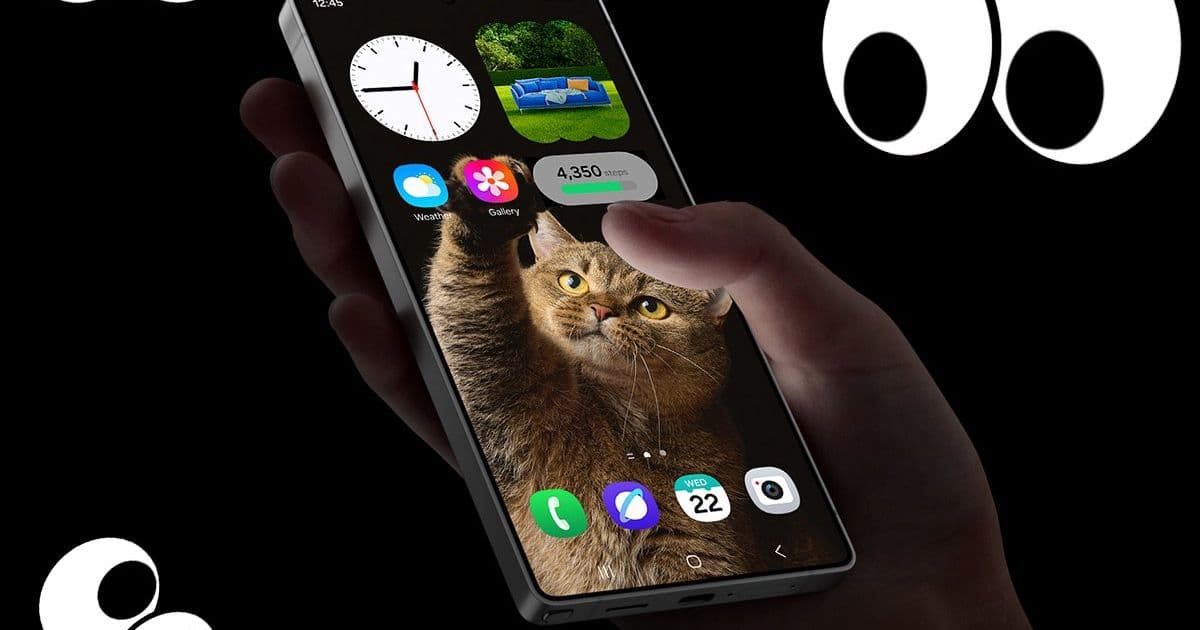
Samsung's Galaxy S26 Ultra will feature a hardware-level Privacy Display that uses directional light emission to prevent side-angle viewing, similar to enterprise privacy screens and ATM displays.
Samsung's Galaxy S26 Ultra privacy display technology has been detailed in a new leak, revealing how the company plans to tackle one of smartphone users' most common concerns: visual privacy in public spaces.
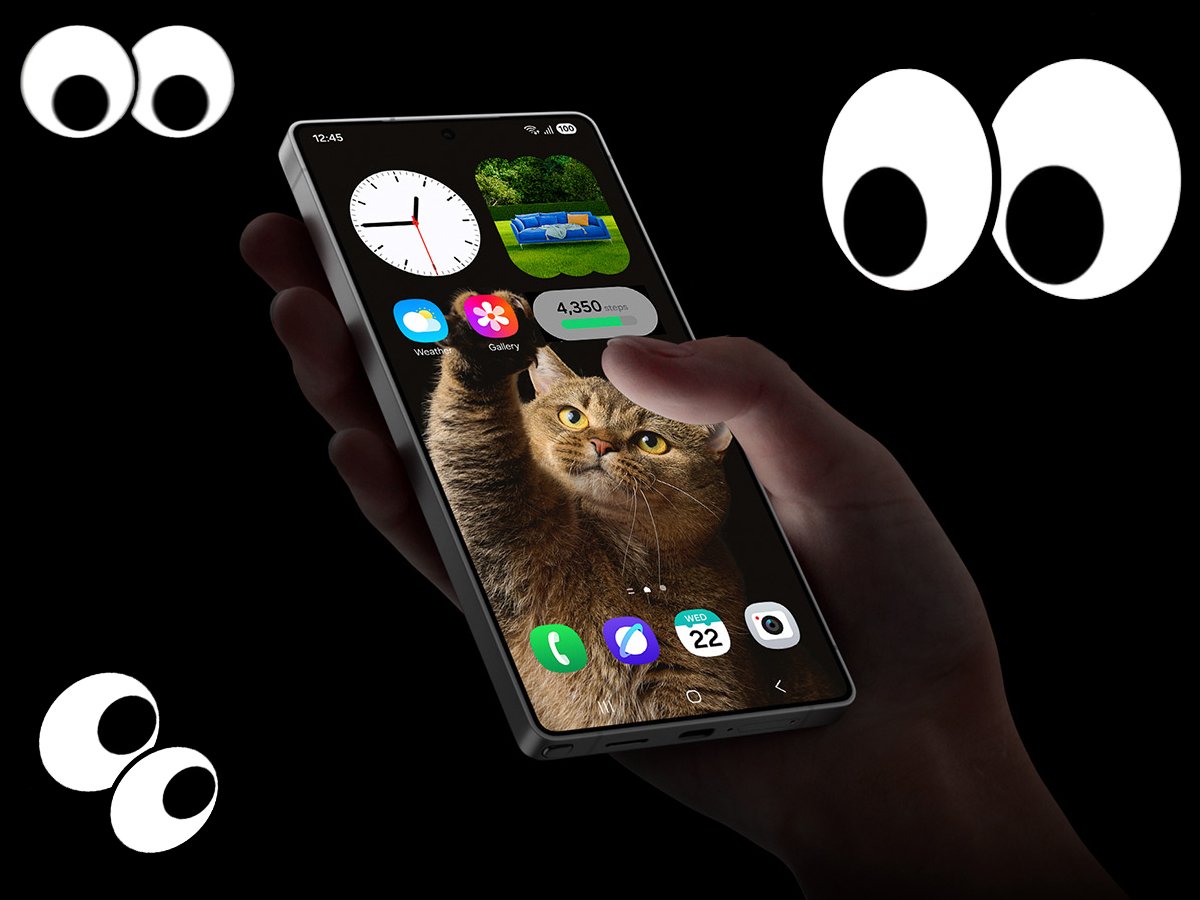
According to prominent leaker Ice Universe, the Privacy Display feature on the Galaxy S26 Ultra isn't just another software-based solution or screen filter. Instead, it represents a hardware-level implementation that fundamentally changes how the display emits light.
How the Privacy Display Actually Works
The technology adapts mature display concepts that have been used in enterprise privacy screens and ATM machines for years. Rather than emitting light uniformly across 180 degrees like traditional smartphone displays, the Galaxy S26 Ultra's screen will direct light toward specific viewing angles.
As Ice Universe explains, this directional light emission means that only viewers positioned directly in front of the screen can see the content clearly. People viewing from the sides won't see the light beam at all, resulting in a darkened or completely obscured display from those angles.
This approach differs significantly from the software tricks used by some manufacturers or the physical privacy filters that can be attached to existing phones. Those solutions often reduce overall brightness or create a permanent viewing restriction, while Samsung's hardware implementation appears to be more sophisticated and potentially switchable.
The leaker demonstrated that the feature can offer partial privacy, allowing pop-ups containing sensitive data to be hidden from indirect line of sight while maintaining normal viewing for the primary user.
The Trade-offs of Directional Display Technology
While the concept sounds impressive, directional light emission on displays comes with inherent challenges that Samsung will need to address:
Brightness Inconsistency: Traditional displays emit light uniformly, ensuring consistent brightness across all viewing angles. Directional displays may show variations in brightness depending on the viewing position.
Color Accuracy Issues: The color reproduction might vary when viewed from different angles, potentially affecting the overall visual experience for the primary user.
Viewing Angle Limitations: While beneficial for privacy, the restricted viewing angle could be problematic in certain usage scenarios where wider viewing is preferred.
Ice Universe notes that this isn't a software trick, suggesting Samsung has developed hardware solutions to mitigate these issues, though the specifics remain unclear.
How It Compares to Existing Solutions
Current privacy solutions for smartphones fall into two categories: software-based blurring that activates when the phone detects it's being viewed from an angle, and physical screen protectors that permanently restrict viewing angles.
Samsung's approach appears to be more elegant than physical filters, which can reduce screen clarity and brightness even for the primary user. It also seems more sophisticated than software solutions, which can be bypassed or may not work reliably in all lighting conditions.
The technology is similar to what's found on enterprise-grade privacy monitors used in corporate environments, but miniaturized for a smartphone form factor. This suggests Samsung has made significant advancements in display engineering to make this feasible for a consumer device.
Why This Matters for Galaxy S26 Ultra Users
The Privacy Display feature addresses a genuine concern for smartphone users who frequently access sensitive information in public spaces. Whether checking banking apps, entering passwords, or viewing personal messages, the ability to prevent shoulder-surfing could be a significant selling point.
For a device positioned as Samsung's flagship premium offering, such innovative hardware features help justify the premium pricing that typically accompanies the Ultra model. The Galaxy S25 Ultra currently starts at $1,045 on Amazon for the 256GB configuration, and the S26 Ultra will likely command a similar or higher price point.
Looking Ahead to the Unpacked Event
With the Galaxy S26 series launch approaching, Samsung appears to be building anticipation around this privacy feature. The company has started teasing the display capability ahead of the next Unpacked event, suggesting it will be a key selling point for the Ultra model.
How well Samsung has addressed the trade-offs of directional display technology will likely become clear once reviewers get hands-on time with the device. The consistency of brightness and color accuracy across different viewing angles will be crucial factors in determining whether this innovation enhances or compromises the overall user experience.
As smartphone manufacturers continue to differentiate their flagship offerings, hardware-level privacy solutions like this could become more common, especially as concerns about digital privacy and security continue to grow among consumers.
Comments
Please log in or register to join the discussion