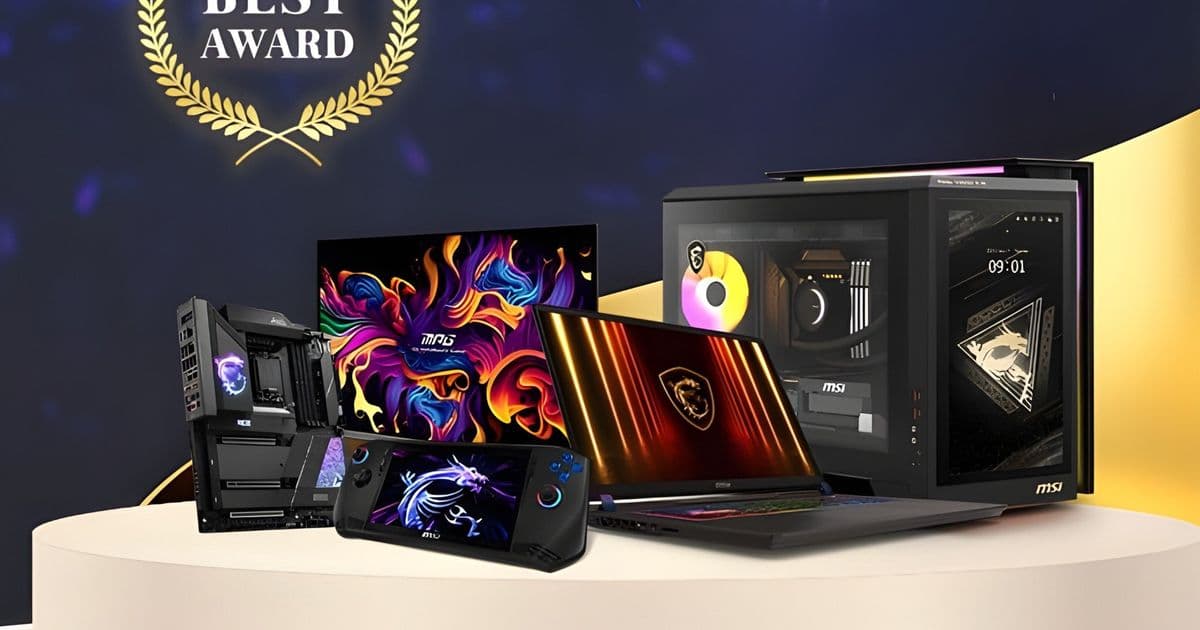
MSI is raising gaming laptop and GPU prices by up to 30% due to ongoing memory shortages, prioritizing premium products and AI server production while potentially abandoning budget segments.
The PC gaming market faces another blow as MSI announces plans to raise gaming laptop and GPU prices by 15-30% in response to ongoing memory shortages. The Taiwanese manufacturer, already struggling with component scarcity, will prioritize higher-end products and boost AI server production while potentially abandoning budget segments entirely.
According to the Taiwanese Economic Daily News, MSI co-founder and executive Huang Jinqing revealed the pricing strategy during a recent investor briefing. The company's memory inventory has dwindled to just "1-2 months of secure supply," forcing difficult decisions about product prioritization and pricing.
The Memory Crisis Deepens
The memory shortage has created a perfect storm for PC manufacturers. DRAM suppliers like Samsung and SK Hynix are reluctant to make longer-term commitments, leaving companies like MSI in a precarious position. This scarcity affects not only gaming laptops but also prebuilt gaming desktops and handheld devices.
Huang Jinqing acknowledged the severity of the situation, forecasting that the entire PC market could shrink by 10-20% in 2026. The memory shortage has created a cascading effect throughout the supply chain, with each link becoming more fragile.
Premium Focus Over Budget Options
MSI's strategy reveals a clear shift in market approach. Rather than maintaining a broad product lineup, the company will focus on premium SKUs where profit margins are higher. This means fewer options for budget-conscious gamers but potentially better experiences for those willing to pay premium prices.
The graphics card market illustrates this strategy perfectly. As Nvidia accommodates the AI data center surge, it's shipping a smaller quantity of chips to partners like MSI. The company expects to sell fewer Blackwell cards but will concentrate on the more lucrative premium models.
RTX 5050 Under Threat
Perhaps most concerning for budget gamers is the potential abandonment of the RTX 5050. This widely available model may be in danger since it's not a major money-maker for MSI. The company appears willing to sacrifice volume sales of affordable options in favor of higher-margin premium products.
Current RTX 5070, 5080, and 5090 options are already appearing at record-high prices, and these models could become even more expensive as MSI seeks to realize increased profit margins. The days of affordable high-performance gaming hardware may be numbered.
DDR4 Revival Strategy
In a surprising move, MSI aims to turn back the clock by releasing more DDR4-compatible motherboards. While older DDR4 modules have suffered during the memory shortage, they remain significantly cheaper than DDR5 RAM. This strategy allows MSI to offer more affordable options while still maintaining profit margins.
Gamers may have to accept lower performance in modern gaming laptops and desktops as manufacturers balance cost constraints with performance expectations. The shift toward DDR4 could become a defining characteristic of the next generation of gaming hardware.
AI Server Boom Benefits
MSI's pivot toward enterprise customers capitalizes on the AI server boom. Even as the gaming PC industry contracts, the company anticipates an annual growth target of 50-100% over the next 3-5 years in the AI server market. This diversification strategy helps offset losses in the consumer gaming segment.
The company has historically catered to budget gamers with its MAG monitors and motherboards, but that focus appears to be shifting dramatically. MSI is now targeting enthusiasts and enterprise customers who can absorb higher prices and demand premium features.
Market Impact and Future Outlook
The 10-20% contraction forecast for the PC market in 2026 suggests a significant industry shakeout. Smaller manufacturers may struggle to survive, while larger companies like MSI adapt by focusing on premium segments and enterprise markets.
For consumers, this means fewer choices and higher prices across the board. The gaming laptop and desktop market is becoming increasingly stratified, with clear divisions between budget, mid-range, and premium segments. Budget gamers may find themselves priced out of the market entirely.
What This Means for Gamers
Current MSI gaming laptop owners might want to hold onto their devices longer than planned. The combination of higher prices and reduced product diversity means upgrading will become more expensive and potentially less rewarding.
Those considering new purchases should act sooner rather than later, as current inventory may represent the last generation of reasonably priced gaming hardware from MSI. The company's pivot to premium products suggests that affordable gaming options will become increasingly scarce.
For DIY builders, the memory shortage creates additional challenges. Even if you can find components, the premium pricing on GPUs and motherboards means building a gaming PC will cost significantly more than in previous years.
Industry-Wide Implications
MSI's strategy isn't occurring in isolation. Other major manufacturers are likely watching closely to see how this premium-focused approach performs. If successful, we could see similar pricing strategies across the industry, further reducing options for budget-conscious consumers.
The memory shortage may ultimately reshape the gaming hardware landscape, creating a market where only premium products remain viable for manufacturers. This could lead to a bifurcation where gaming becomes an increasingly expensive hobby, accessible only to those willing to pay top dollar for performance.
The next few years will be critical in determining whether the gaming PC market can recover from these supply chain challenges or if it will permanently shift toward a premium-only model.
Comments
Please log in or register to join the discussion