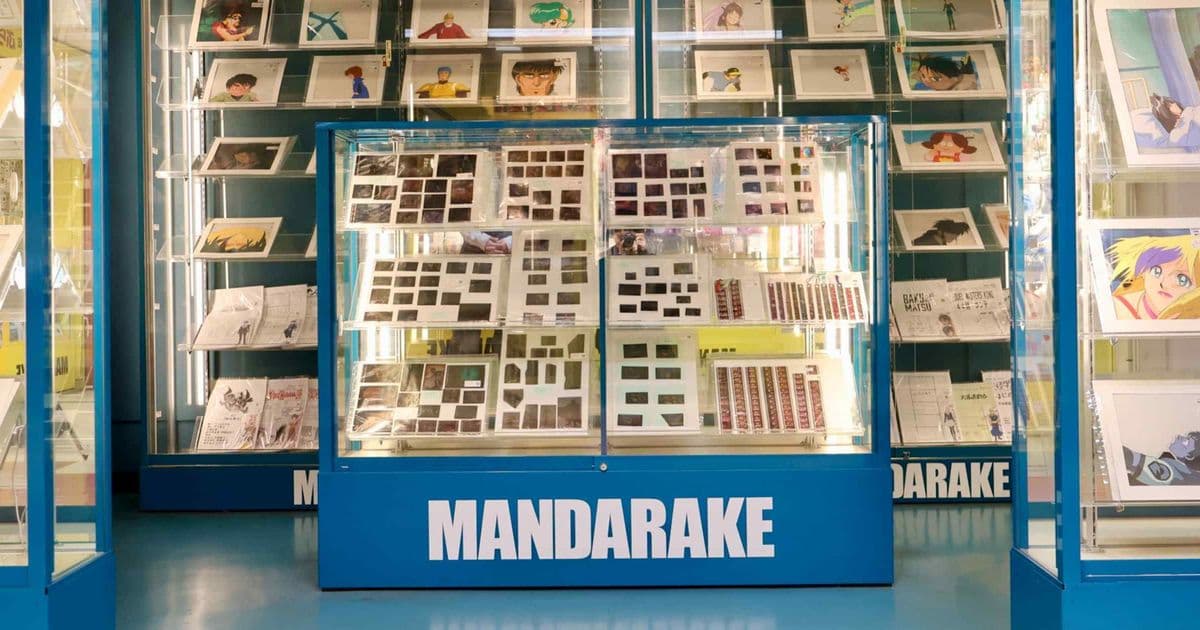
Once-discarded animation cels are now commanding premium prices as foreign collectors and speculators drive a booming market for anime production artifacts.
Once discarded by Japanese studios, animation cels and other byproducts of anime production are now avidly sought by foreign collectors, driving up prices at auction and on the secondhand market.
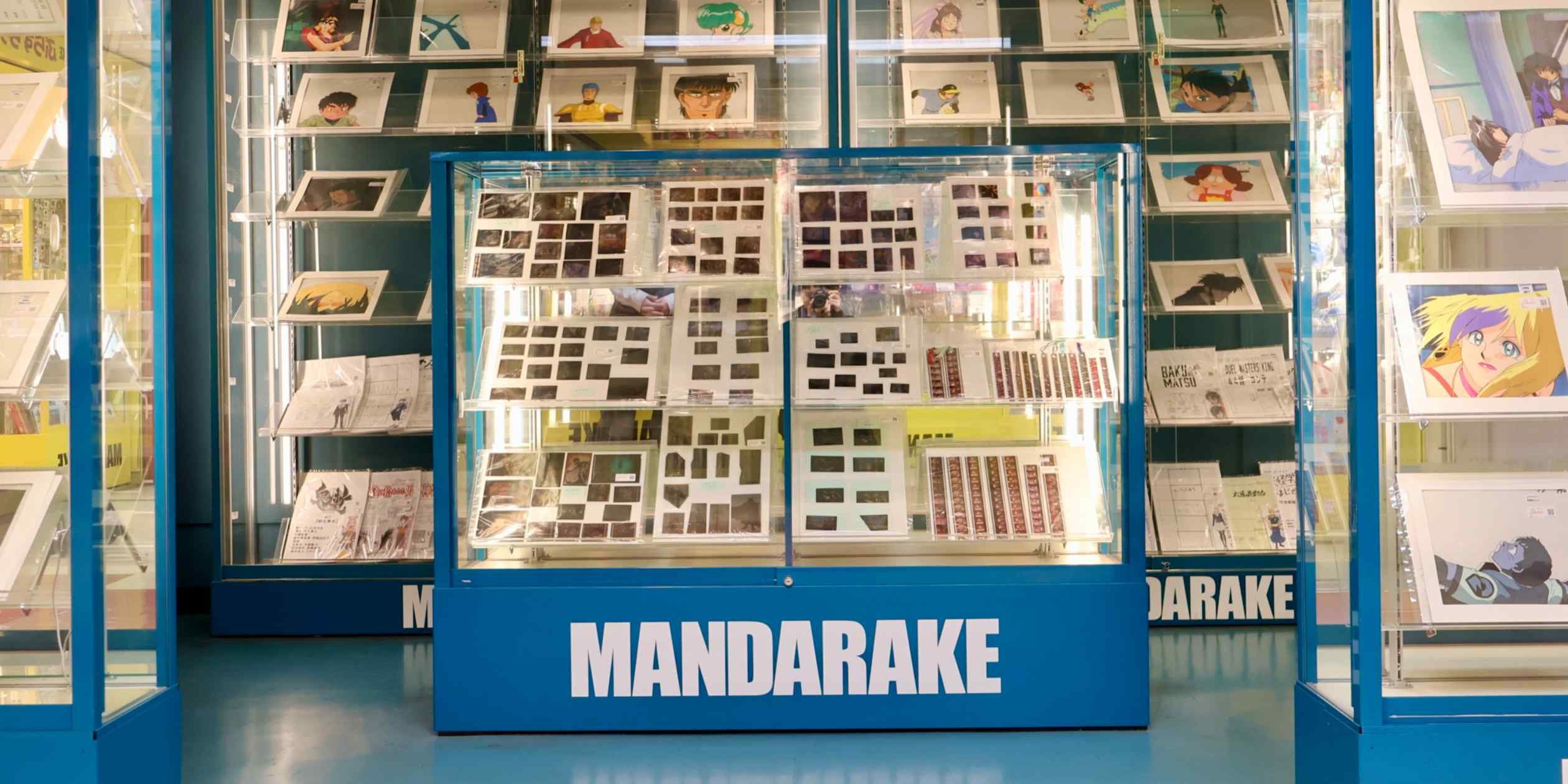
Anime cels for sale are displayed at a Mandarake store in Tokyo. (Photo by Reika Mihara)
The transformation of anime cels from studio waste to valuable collectibles represents a fascinating reversal in the animation industry's economics. For decades, production houses routinely discarded the transparent sheets used in traditional animation once filming was complete. These celluloid artifacts, which served as the physical medium for hand-drawn animation, were seen as having no value beyond their immediate production use.
Today, that perception has radically shifted. Foreign collectors, particularly from the United States, Europe, and other Asian markets, have developed a voracious appetite for these production artifacts. The demand extends beyond just cels to include original production art, background paintings, and other materials that were once considered disposable byproducts of the animation process.
This collector interest has created a secondary market where prices have escalated dramatically. What was once trash is now treasure, with rare cels from popular series commanding prices that can reach thousands of dollars. The market has become sophisticated enough to support specialized auction houses and proxy buying services that help international collectors navigate the Japanese market.
The phenomenon reflects broader trends in anime's global expansion. As Japanese animation has gained unprecedented international popularity over the past two decades, fans have developed deeper appreciation for the artistry and craftsmanship behind their favorite shows. Cels and production art offer tangible connections to beloved characters and scenes, making them particularly appealing to serious collectors.
Japanese retailers have responded to this demand by dedicating more retail space to anime collectibles. Stores like Mandarake, which specialize in secondhand goods, now feature extensive sections devoted to production art and animation cels. The merchandise ranges from affordable pieces to rare, museum-quality artifacts.
This market shift has implications for anime studios and production companies. Some are now retaining production materials that would have been discarded in the past, recognizing their potential value in the collector's market. Others are exploring ways to monetize their archives, potentially creating new revenue streams from materials that were once considered worthless.
The trend also raises questions about preservation and authenticity. As prices rise, so does the incentive for forgery and reproduction. Collectors and dealers must navigate issues of provenance and authentication, particularly for rare or highly sought-after pieces.
For the anime industry, this development represents an unexpected benefit from the global expansion of their audience. Materials that were once a disposal cost have become a potential asset class, creating new economic opportunities in the secondary market for animation production materials.
The transformation of anime cels from trash to treasure exemplifies how cultural products can find new value as their audience expands globally. What was once discarded as production waste is now preserved as collectible art, reflecting both the growing sophistication of anime fandom and the enduring appeal of traditional animation techniques in a digital age.
Comments
Please log in or register to join the discussion