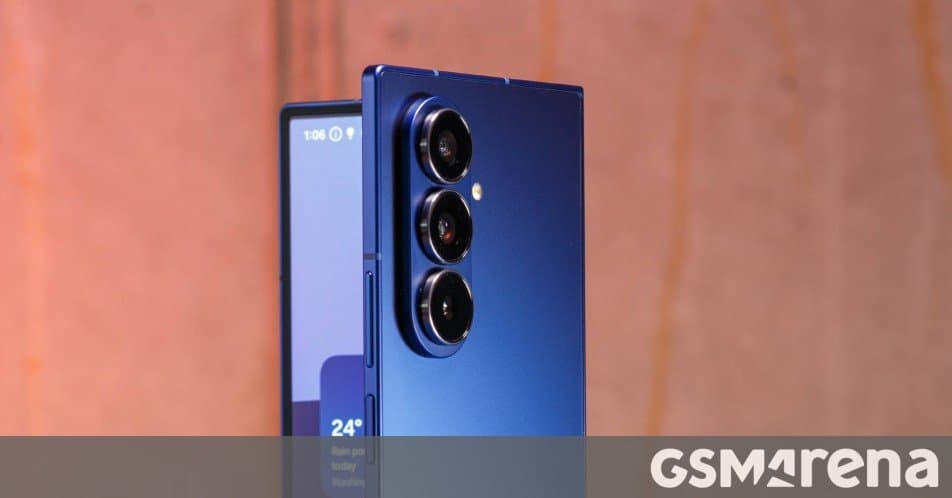
Samsung aims to sell 1 million units of its upcoming 'Wide Fold' foldable phone, featuring a 4:3 aspect ratio display to compete with the rumored iPhone Fold.
Samsung is setting ambitious sales targets for its upcoming foldable device, with plans to sell at least 1 million units of the rumored "Wide Fold" phone. According to supply chain sources, the company is confident enough in this new form factor to produce it as a full-fledged member of its Galaxy foldable lineup, rather than as a limited edition or special release.
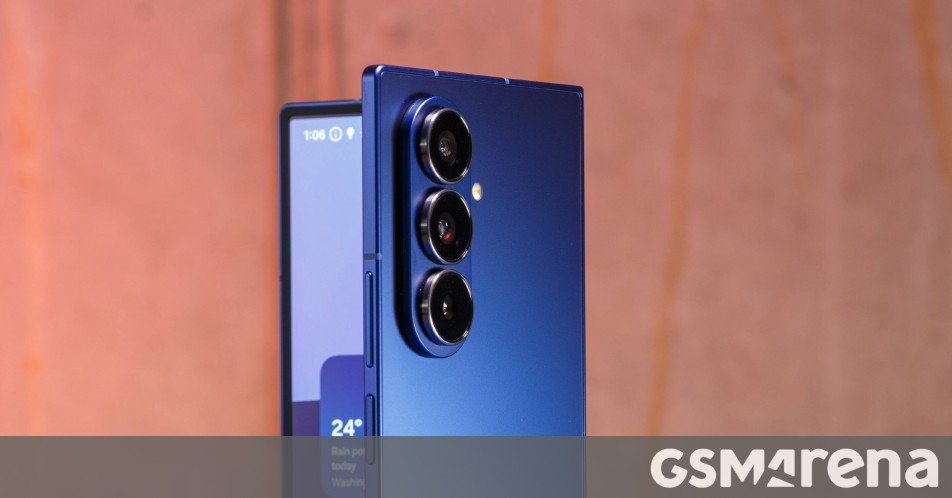
The Wide Fold represents Samsung's strategic move to compete directly with Apple's rumored iPhone Fold, which is also expected to feature a 4:3 aspect ratio display. This wider format aims to provide a more tablet-like experience when unfolded, potentially offering better productivity and media consumption capabilities compared to the current 22.5:18 aspect ratio found on the Galaxy Z Fold series.
Industry analysts note that Samsung's decision to target 1 million units in the first year demonstrates significant confidence in the product's market potential. For context, the company sold approximately 6 million units of the Galaxy Z Fold7 in the previous year, making this a substantial but achievable goal.
The timing of this new device is particularly interesting, as it's expected to launch alongside the Galaxy Z Fold8 and Z Flip8 this summer. This suggests Samsung is expanding its foldable portfolio rather than replacing existing models, giving consumers more choices in terms of form factors and use cases.
Market observers point out that the wider aspect ratio could address one of the main criticisms of current foldables - that they're too narrow when used as tablets. The 4:3 format is closer to traditional tablet and laptop screens, potentially making it more comfortable for reading, browsing, and productivity tasks.
The success of the Wide Fold could have broader implications for the foldable phone market. If Samsung achieves its sales target, it would validate the wider form factor and potentially influence other manufacturers' design decisions. Conversely, if the device underperforms, it might suggest that consumers prefer the current narrower aspect ratios or that the market isn't ready for yet another foldable variant.
Samsung's aggressive approach to foldable technology continues to push the boundaries of smartphone design. The company has already experimented with different form factors through the Galaxy Z Flip series (vertical fold) and the recently announced Galaxy Z TriFold (triple-fold). The Wide Fold would represent another significant departure from traditional smartphone designs, further establishing Samsung as the leader in foldable innovation.
For consumers, this means more choices but also potentially more confusion. With multiple foldable options available, each with different strengths and compromises, buyers will need to carefully consider which form factor best suits their needs. The Wide Fold appears to be targeting users who prioritize screen real estate and tablet-like functionality over pocketability.
The coming months will reveal whether Samsung's bet on the wider foldable format pays off. If successful, we might see this aspect ratio become the new standard for premium foldables, fundamentally changing how we think about mobile device design.
Comments
Please log in or register to join the discussion