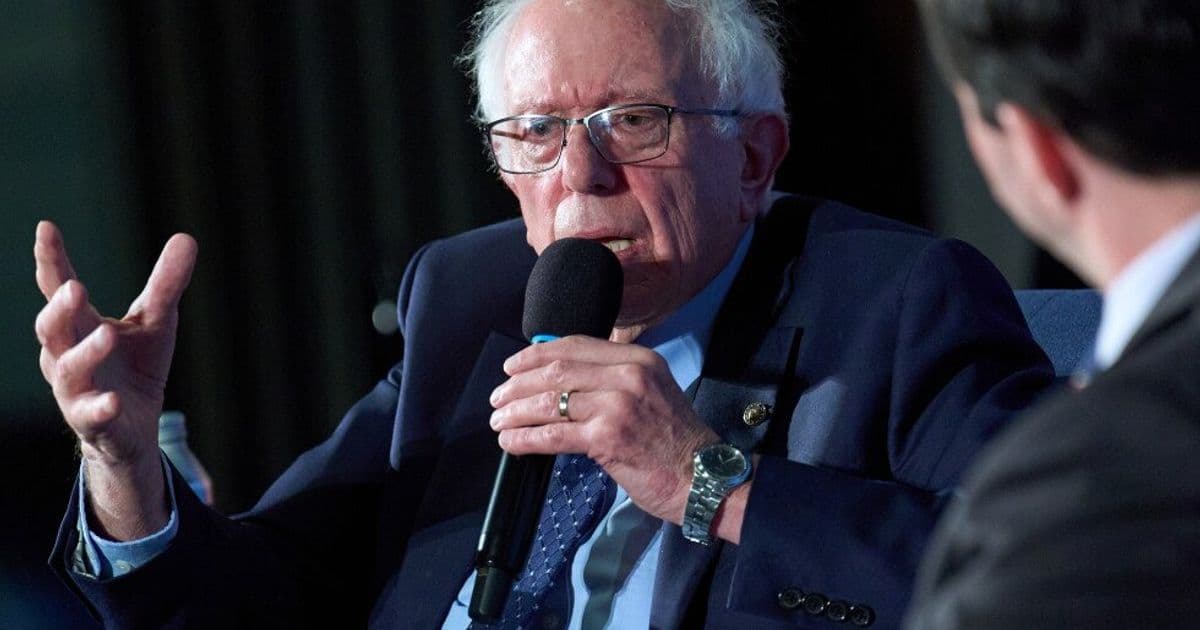
Bernie Sanders wants Americans to own half of major AI firms as lawmakers, founders and workers argue over who gains from AI growth.
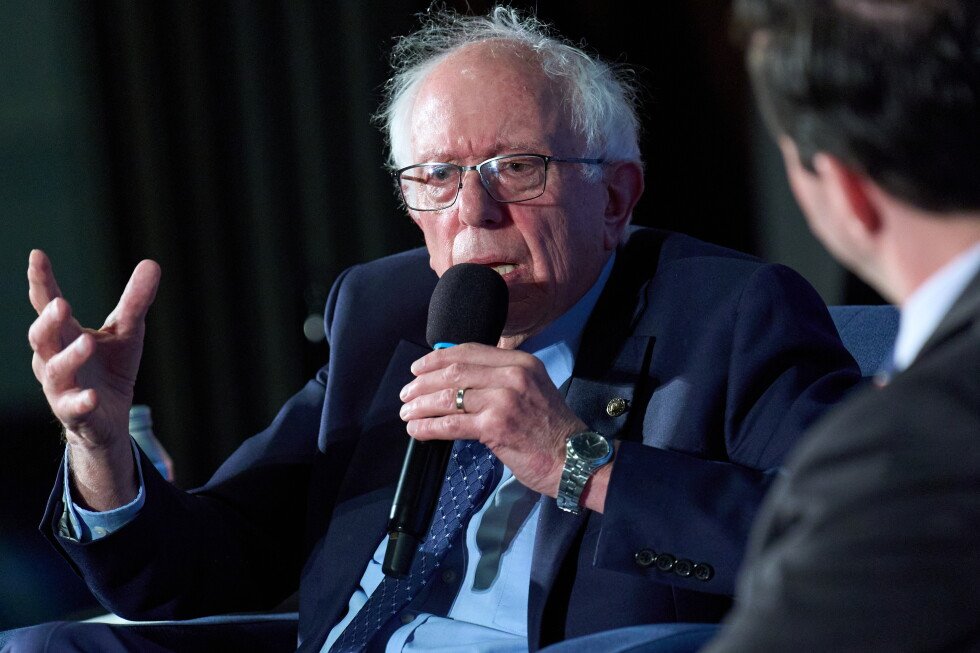
Sen. Bernie Sanders proposed a public ownership plan for major artificial intelligence companies Wednesday, June 17, arguing that Americans should receive a share of the wealth that companies such as OpenAI and Anthropic create.
Sanders, an independent from Vermont, wants Congress to create a sovereign wealth fund funded by a one-time 50% stock tax on AI companies with at least $200 million in annual AI sales. A seven-member commission, chosen by the president and confirmed by the Senate, would manage the fund.
Sanders told The Associated Press that the fund could reach nearly $7 trillion. He said a 5% annual dividend could pay more than $1,000 to each American and support health care, education and housing.
The proposal pushes a rising tech policy debate into sharper territory. OpenAI CEO Sam Altman has backed a public wealth fund tied to AI growth. Anthropic CEO Dario Amodei has written that governments could fund universal basic income through taxes on companies that profit from automation. President Donald Trump has also discussed a possible public stake in AI companies.
Sanders wants more than profit sharing. His proposal would give the public voting shares in the largest AI companies. The commission could use those shares to oppose corporate decisions that Sanders says would harm workers or consumers.
Tech founders have shown interest in public benefit models because AI could increase productivity while displacing workers. Developers see the same split in their own workplaces. Some teams use code assistants to speed up test writing, refactoring and documentation. Other workers worry that managers will use the tools to cut junior roles, shrink teams or outsource more work.
Adoption signals keep piling up. OpenAI, Anthropic, Google, Microsoft and Meta have pushed new models into coding tools, office software, search and cloud platforms. Venture investors keep funding AI infrastructure, model companies and application startups. Data center demand has forced local fights over power, water and tax breaks in states that once courted the projects.
Sanders frames those pressures as a reason for ownership, not oversight alone. His plan asks Congress to treat AI as an economic engine that taxpayers and workers helped build through public research, labor and infrastructure. Supporters argue that a public stake could give citizens a claim on gains that stockholders now capture.
Critics would likely attack the plan from several directions. Startup founders could argue that a 50% stock tax would push AI companies away from U.S. markets or discourage new entrants from crossing the $200 million sales threshold. Investors could argue that forced equity transfers would lower valuations and make U.S. companies less competitive against foreign rivals.
The governance question may prove harder than the tax fight. A presidentially nominated commission with voting power in AI companies would pull corporate strategy, product safety, labor policy and national security into one public body. Supporters may call that democratic control. Opponents may call it state interference in private firms.
The proposal also raises technical questions. AI revenue can come from model access, cloud bundles, enterprise software, advertising products and chips. Congress would need to define AI sales in a way companies cannot route around through accounting changes or subsidiaries.

Developers and AI researchers will watch the details. A broad rule could cover firms that sell model access through APIs, companies that embed models into software suites and cloud providers that rent AI infrastructure. A narrow rule could miss the firms that gain most from AI while capturing smaller companies with cleaner revenue lines.
Sanders plans to take the issue to voters as campaigns test AI policy ahead of the midterms. Candidates have begun tying AI to jobs, energy costs and corporate power. College students, software workers and local officials now treat AI as a pocketbook issue as much as a technical one.
The plan faces a difficult path in Congress. It still marks a shift in the debate. U.S. policymakers once asked whether AI companies should face safety rules. Sanders now asks whether the public should own part of the companies building the technology.
Comments
Please log in or register to join the discussion