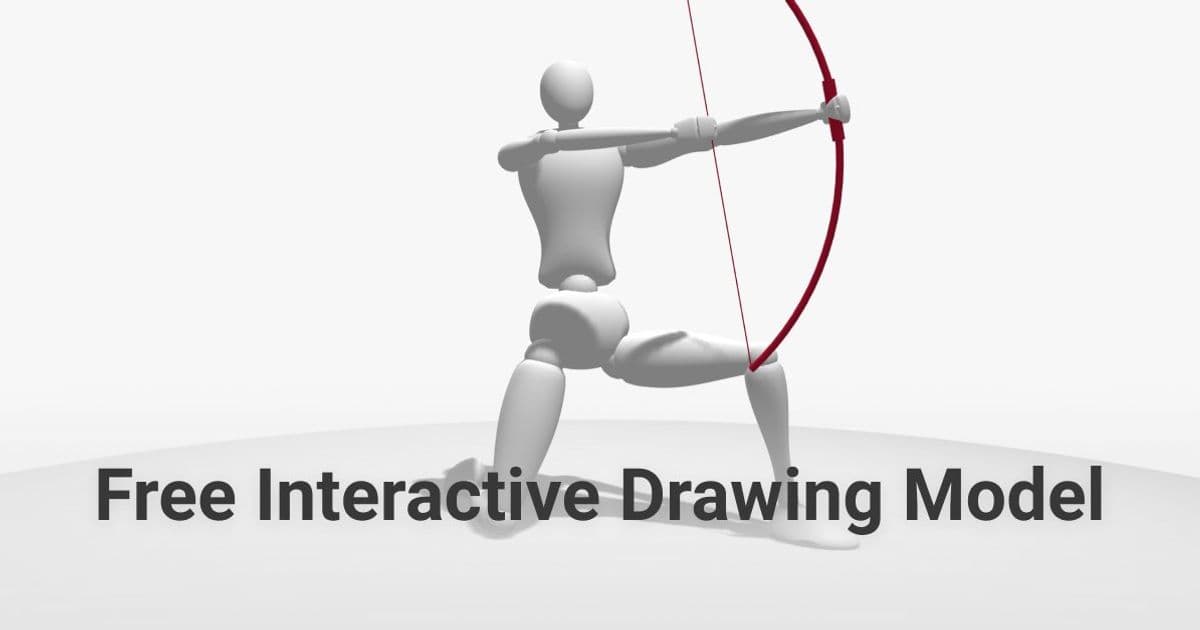
SetPose offers a no‑cost, web‑only 3D pose editor that lets illustrators build custom reference scenes with adjustable models, props, lighting and camera. While the tool is still bootstrapped, its focus on ease of use and open‑source foundations positions it as a practical alternative to pricey physical mannequins and fragmented desktop apps.
SetPose Brings Free, Browser‑Based 3D Mannequins to Artists
The problem artists face
Figure drawing has long been hampered by two practical constraints. First, physical mannequins are expensive, heavy, and limited to a handful of preset positions. Second, digital alternatives often require a desktop install, a steep learning curve, or a subscription fee that many hobbyists cannot justify. The result is a market where students and independent creators either work from memory, rely on static reference photos, or invest in costly hardware.
How SetPose solves it
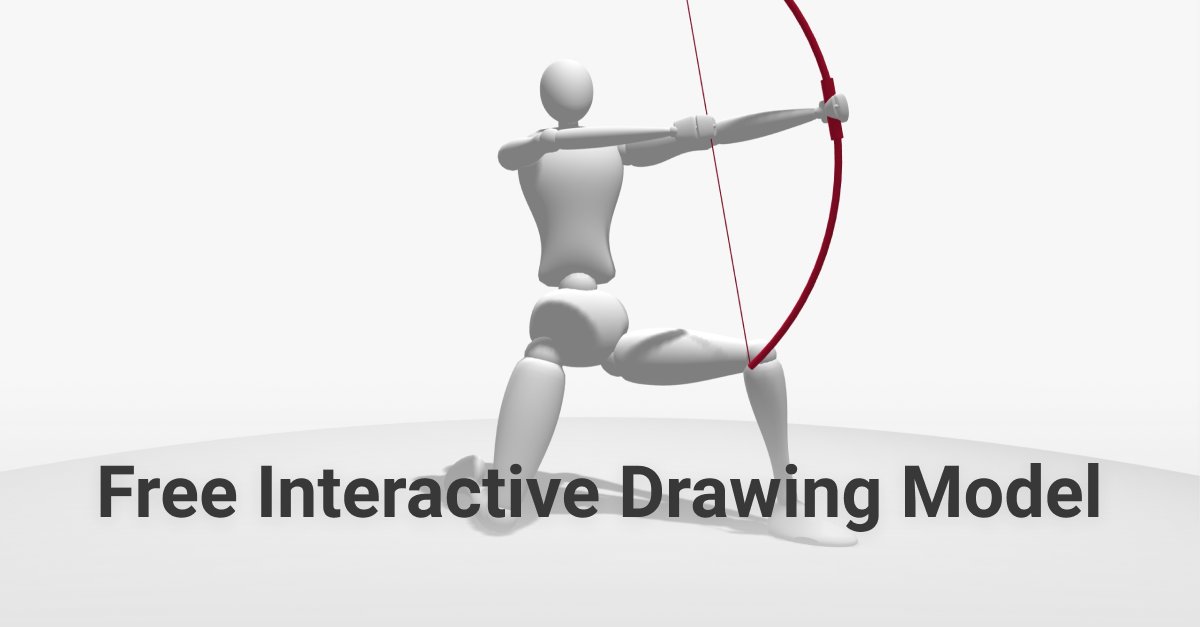
SetPose is a free, web‑hosted pose maker built on Three.js and Mannequin.js. Users launch the site, pick a base model—basic human, anime‑style, bodybuilder, even a dog or horse—and manipulate limbs with three intuitive controls:
- Bend – flexes joints forward or backward.
- Tilt – shifts limbs sideways.
- Rotate – spins a limb around its own axis.
Beyond limb movement, the interface lets you:
- Turn off biological constraints for exaggerated, stylized poses.
- Attach handheld props (swords, bows, phones) that stay attached when the pose changes.
- Drop floor props (chairs, bikes, platforms) and reposition them with drag‑and‑drop.
- Adjust lighting position, intensity, and background color to simulate studio, night, or dramatic setups.
- Change the camera’s field of view (FOV) for wide‑angle or tight‑shot references.
All of this runs in the browser, so there is no download, no OS compatibility issue, and no subscription barrier. Artists can screenshot the final pose and paste it directly into Photoshop, Clip Studio, Procreate, or even print it for traditional paper work.
Market positioning and traction
SetPose occupies a niche between traditional wooden mannequins (costing $30‑$200) and heavyweight desktop tools like DAZ 3D or Poser, which often require a paid license and a powerful GPU. By being free and instantly accessible, SetPose appeals to:
- Art students looking for quick reference material without university budgets.
- Freelance illustrators who need a fast way to prototype character poses for client work.
- Content creators producing yoga tutorials, animation storyboards, or game concept art.
The service reports over 120,000 unique monthly visitors and a growing community of Discord users who share custom pose presets. Although SetPose has not announced a formal funding round, the founders have kept development open‑source on GitHub (see the Mannequin.js repo). This transparency suggests a bootstrapped model, likely supported by optional Pro upgrades that remove ads and unlock premium models (horse, bodybuilder, etc.). The pricing for Pro is modest—$4.99 per month or $39 per year—providing a modest revenue stream while keeping the core product free.
Technical depth
The core of SetPose is a WebGL renderer powered by Three.js, which handles real‑time shading and camera manipulation. Mannequin.js supplies a hierarchy of skeletal meshes with predefined joint limits. When a user toggles "Biological constraints," the joint limit parameters are simply set to a wide range (e.g., -180° to +180°), allowing hyper‑stylized poses useful for manga or concept art.
Props are loaded as glTF assets, a lightweight format that keeps load times under a second even on mobile browsers. The lighting system uses a single directional light whose position can be dragged in the UI, affecting both diffuse shading and shadow direction. Because the scene is rendered on the client side, no server‑side image processing is needed, which keeps operating costs low.
One trade‑off of this architecture is that complex scenes with many high‑poly props can strain older devices. The developers mitigate this by offering low‑poly fallback meshes and by allowing users to toggle shadow rendering.
Business outlook
SetPose’s revenue model hinges on two levers:
- Pro subscriptions that remove ads and unlock premium models and props.
- Affiliate links to art supplies and reference books, which generate a small commission.
Given the modest conversion rate typical for freemium tools (around 2‑3 % of active users), the current user base could sustain a $5‑$10 k monthly run‑rate. To scale, the team could explore:
- Enterprise licensing for art schools, offering bulk accounts and custom model packs.
- API access that lets other web apps embed the pose editor directly, opening a B2B revenue channel.
- Marketplace for user‑generated props where creators sell their own 3D assets, taking a platform fee.
Why it matters
By lowering the barrier to high‑quality 3D reference material, SetPose democratizes a step that has traditionally required either expensive hardware or a subscription to a heavyweight suite. For a field that thrives on practice and iteration, having a free, instantly accessible pose editor can accelerate learning curves and improve the quality of independent artwork.
Bottom line
SetPose is not a flashy AI‑driven generator, but a solid, user‑friendly tool that fills a real gap for artists needing quick, adjustable references. Its open‑source roots, ad‑supported free tier, and modest Pro pricing give it a sustainable, low‑risk business model. If the team can convert a fraction of its growing user base to paid plans and perhaps add school‑level licensing, it could become a staple in the digital artist’s toolkit.
For more details, visit the official site at setpose.com and explore the source code on the Mannequin.js GitHub page.
Comments
Please log in or register to join the discussion