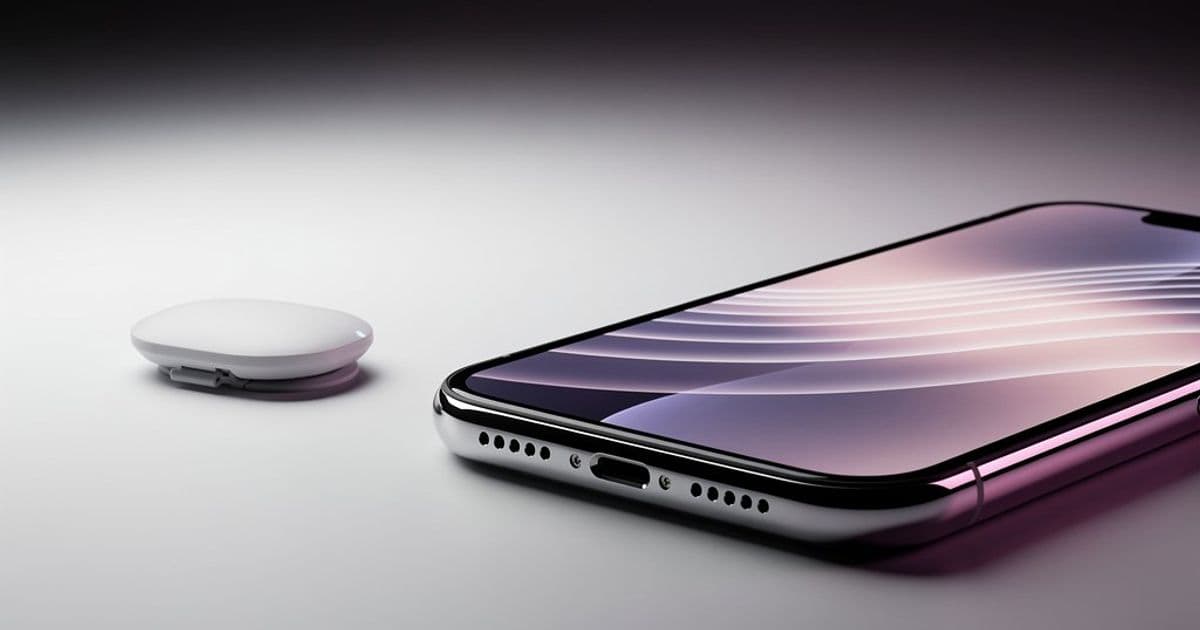
Apple's rumored Siri overhaul through deep iOS/macOS integration aligns with user needs, while their reported AI pin wearable duplicates existing Apple Watch functionality in a less practical form factor.
Two contrasting narratives about Apple's AI strategy emerged this week, revealing divergent paths for the company's artificial intelligence ambitions. On one hand, Apple reportedly plans a fundamental overhaul of Siri through deep chat-based integration across iOS 27 and macOS. On the other, rumors suggest Apple is developing a dedicated AI wearable pin. These approaches represent markedly different visions for how users will interact with AI.
The Siri overhaul appears strategically sound. Reports indicate Apple will embrace conversational interfaces while maintaining its core philosophy: that chat functionality only becomes genuinely useful when deeply embedded within the operating system. This approach would transform Siri from a standalone voice assistant into a system-level intelligence woven throughout iOS and macOS. Users could interact conversationally with AI across applications, system functions, and services without switching contexts. This integration directly addresses longstanding Siri limitations while leveraging Apple's ecosystem strength.
Meanwhile, the rumored AI pin concept raises significant questions. Described as an AirTag-sized wearable with microphones, speakers, wireless charging, and two cameras, this device appears positioned to compete directly with Apple's existing wearable ecosystem. The fundamental challenge: Apple Watch already delivers similar functionality in a more practical form factor. Beyond microphone and speaker capabilities, Apple Watch provides visual feedback through its display – a crucial element even OpenAI acknowledges through its multimodal approach combining voice interaction with visual components.
Several contradictions emerge with the pin concept:
- Hardware redundancy: Apple Watch already incorporates microphones, speakers, haptics, and health sensors
- Visual limitation: Voice-only interfaces prove insufficient for complex interactions, yet the pin reportedly lacks a display
- Camera placement: Dual cameras on a lapel pin present privacy concerns and practical challenges absent in wrist-worn devices
- Market positioning: Competing against Apple's successful wearable ecosystem risks cannibalization without clear added value
Apple's track record suggests they rigorously prototype numerous concepts that never reach consumers. This pin may already exist only as an exploratory prototype. If development continues, integrating its AI capabilities into Apple Watch would provide more user value than creating a separate device category.
The timing of these initiatives also warrants consideration. Apple reportedly delayed its smart home hub with display to synchronize with the upgraded Siri capabilities. This aligns with the emerging pattern: AI functionality gains power through integration with existing hardware ecosystems. Introducing new form factors should serve unmet needs rather than duplicate existing capabilities. For Apple, the clearest path forward appears to be enhancing established platforms like iPhone, Apple Watch, and HomePod with advanced AI rather than fragmenting the ecosystem with niche devices.
As Apple prepares for its next major software releases, the company faces a strategic choice between deepening integration within its successful hardware platforms versus chasing novel form factors. All indications suggest the former approach – exemplified by the Siri overhaul – aligns better with both user expectations and Apple's historical strengths.
Comments
Please log in or register to join the discussion