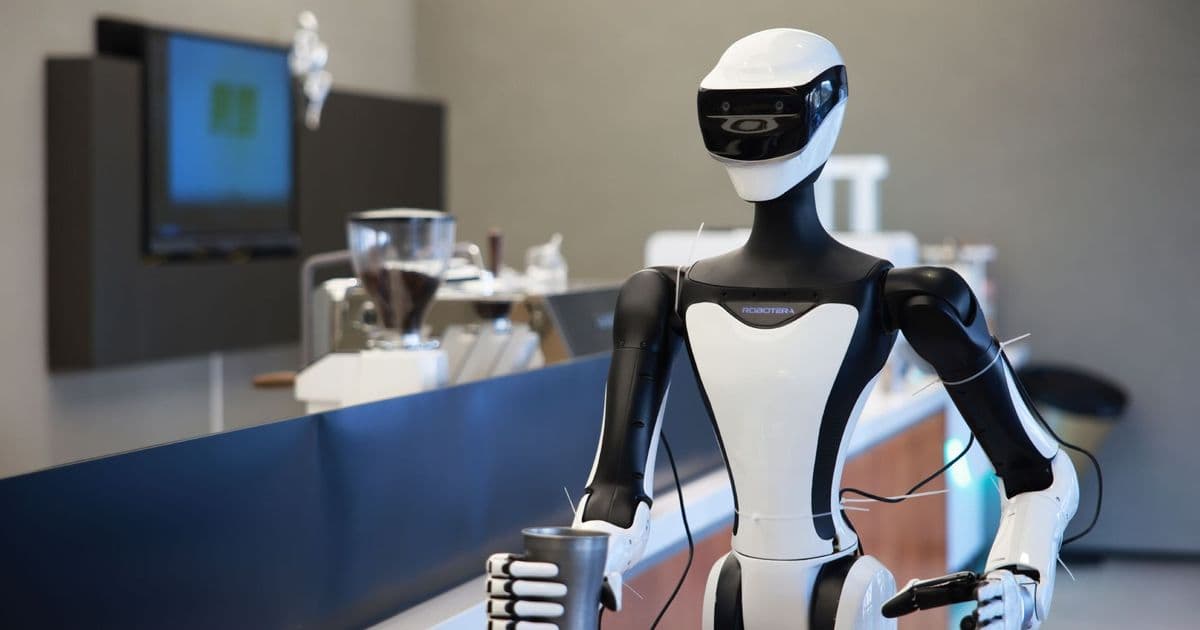
SoftBank founder Masayoshi Son announces Roze, a new US-based AI and robotics company targeting $100 billion valuation with 2024 IPO, as part of aggressive expansion into AI infrastructure development.
SoftBank has revealed plans to establish Roze, a new robotics and artificial intelligence firm in the United States, with founder Masayoshi Son targeting a $100 billion valuation and an initial public offering within the same year. The venture represents SoftBank's latest strategic move to capitalize on the growing demand for AI infrastructure and automation solutions.
Technical Focus and Market Position
Roze will concentrate on developing AI-powered robotics systems specifically designed for constructing and maintaining data centers. This specialization addresses critical bottlenecks in the rapidly expanding data center industry, where construction timelines and operational efficiency directly impact AI deployment capabilities.
The timing aligns with SoftBank's broader AI ambitions, including its participation in the $500 billion Stargate project announced earlier in 2025 in partnership with OpenAI and Oracle. However, the Stargate initiative has encountered challenges, with OpenAI reportedly shifting from first-party data center development to leasing compute resources—a strategic pivot that may have influenced Roze's specialized approach.
Strategic Investments and Infrastructure
SoftBank's data center ambitions extend beyond Roze. The company is constructing a 10-gigawatt facility in Ohio, powered by a $33 billion natural gas plant with funding support from the Japanese government. This massive infrastructure project represents one of the largest energy-intensive computing facilities planned globally, requiring advanced construction techniques and automation.
The company's $2 billion investment in Intel, made more than a year after the chipmaker reported disappointing financial results, further demonstrates SoftBank's commitment to supporting the semiconductor ecosystem that underpins AI infrastructure. While relatively modest in the context of semiconductor fabrication investments, this capital injection came at a critical juncture for Intel as it works to regain competitiveness in advanced process nodes.
Investment Track Record and Risk Profile
Son's investment strategy has historically combined extraordinary returns with significant risks. SoftBank's acquisition of ARM Holdings in 2016 for $32 billion exemplifies this approach, with the current ARM market cap standing at approximately $223 billion. The company even used ARM shares as collateral for a $5 billion loan to invest in OpenAI, demonstrating how successful investments can fuel further expansion.
Similarly, SoftBank's $20 million investment in Alibaba in 2000 generated returns of approximately 425 times the initial capital when the position was exited in 2024. However, the company's Vision Fund era also produced notable failures, including the highly publicized difficulties with WeWork, which contributed to a 93% market value loss during the dotcom crash and threatened the company's solvency.
Current Market Challenges
Despite these ambitious plans, SoftBank faces significant headwinds in the AI investment landscape. The company reported a $50 billion loss in late 2025 as investor scrutiny intensified regarding the profitability of massive investments in AI infrastructure. This volatility reflects the broader uncertainties in the AI sector, where valuations remain disconnected from near-term revenue generation.
Recent developments at OpenAI—where the company reportedly missed internal targets for both revenue and active users—further complicate the investment thesis. These performance shortfalls may pressure SoftBank to demonstrate clearer pathways to monetization for its AI investments, potentially influencing Roze's operational strategy and product development priorities.
Competitive Landscape and Differentiation
The AI robotics sector for data center construction remains relatively nascent, with established players like Boston Dynamics (now part of Hyundai) and specialized automation firms currently dominating the market. Roze's potential success will depend on its ability to develop cost-effective solutions that address specific pain points in data center deployment, including rapid construction, energy efficiency, and ongoing maintenance automation.
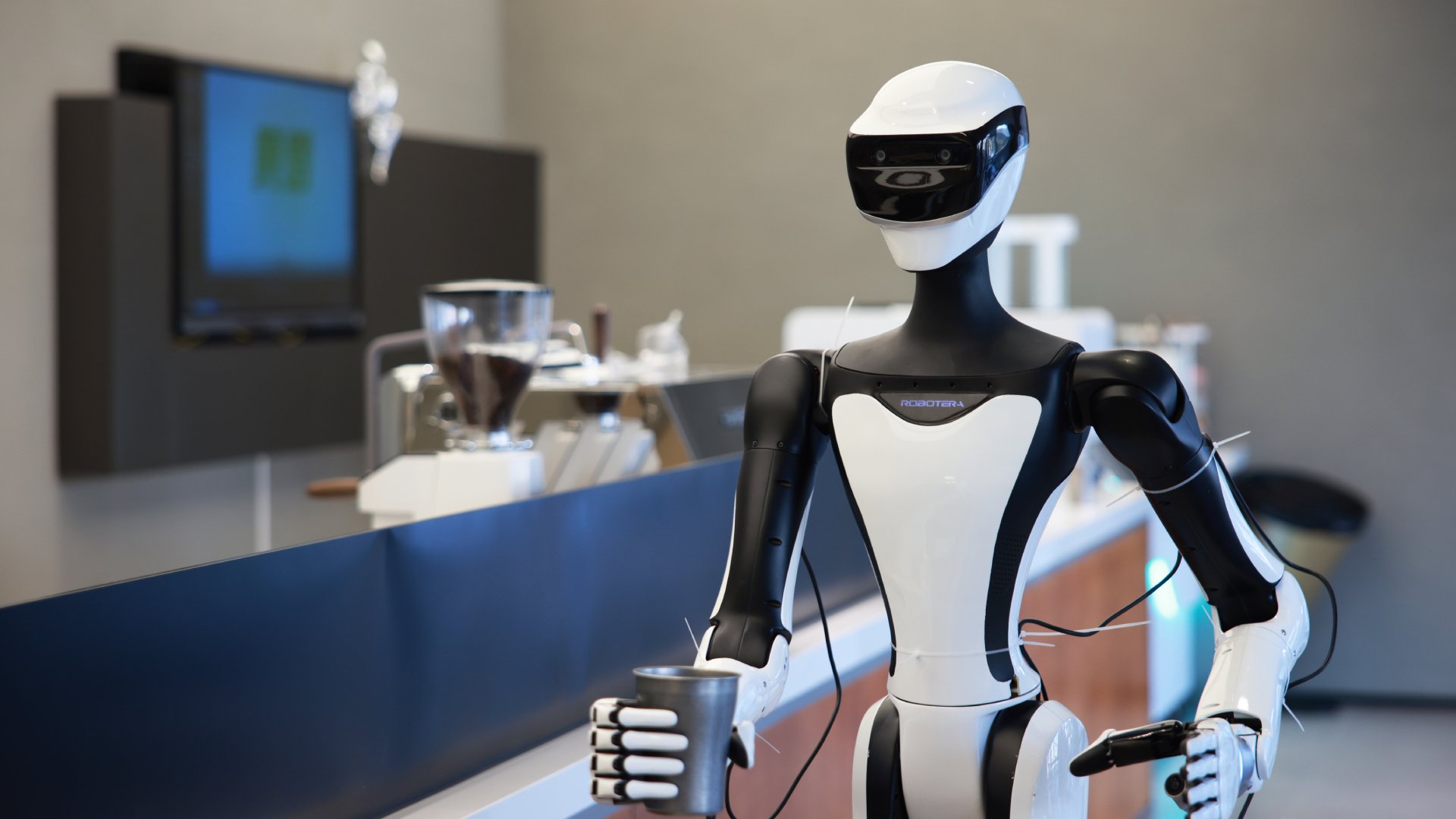
Image credit: Getty Images / China News Service
Valuation Ambitions and Market Realities
The $100 billion valuation target for Roze places it in the upper echelon of technology companies, comparable to established players like NVIDIA or Broadcom. Achieving this valuation within a single year would represent an unprecedented growth trajectory, even by Silicon Valley standards. The IPO timeline suggests SoftBank intends to capitalize on current market enthusiasm for AI-related investments while maintaining momentum from the Stargate announcement.
Industry analysts will likely scrutinize Roze's technology roadmap, customer acquisition strategy, and differentiation from existing solutions. The company's ability to demonstrate tangible advantages over conventional construction methods and existing automation systems will be critical in justifying such a substantial valuation.
Brober Implications for AI Infrastructure Market
SoftBank's aggressive expansion into AI infrastructure through multiple channels—including Roze, the Ohio data center, and strategic investments in semiconductor companies—signals a comprehensive approach to capturing value across the AI value chain. This integrated strategy positions SoftBank to benefit from multiple aspects of the AI ecosystem, from chip design to data center construction to AI model deployment.
As the demand for AI computing capacity continues to grow at exponential rates, companies that can reduce deployment timelines and operational costs will hold significant competitive advantages. Roze's focus on robotics and automation for data centers directly addresses this need, potentially positioning SoftBank as a key enabler of the next generation of AI infrastructure.
The success of Roze will depend on several factors, including technological execution, market acceptance of automated construction solutions, and the ability to navigate the increasingly complex geopolitical landscape surrounding semiconductor and AI technology development. As SoftBank continues to place substantial bets on the future of AI, the market will be watching closely to see whether this latest venture can deliver on its ambitious promises.
Comments
Please log in or register to join the discussion