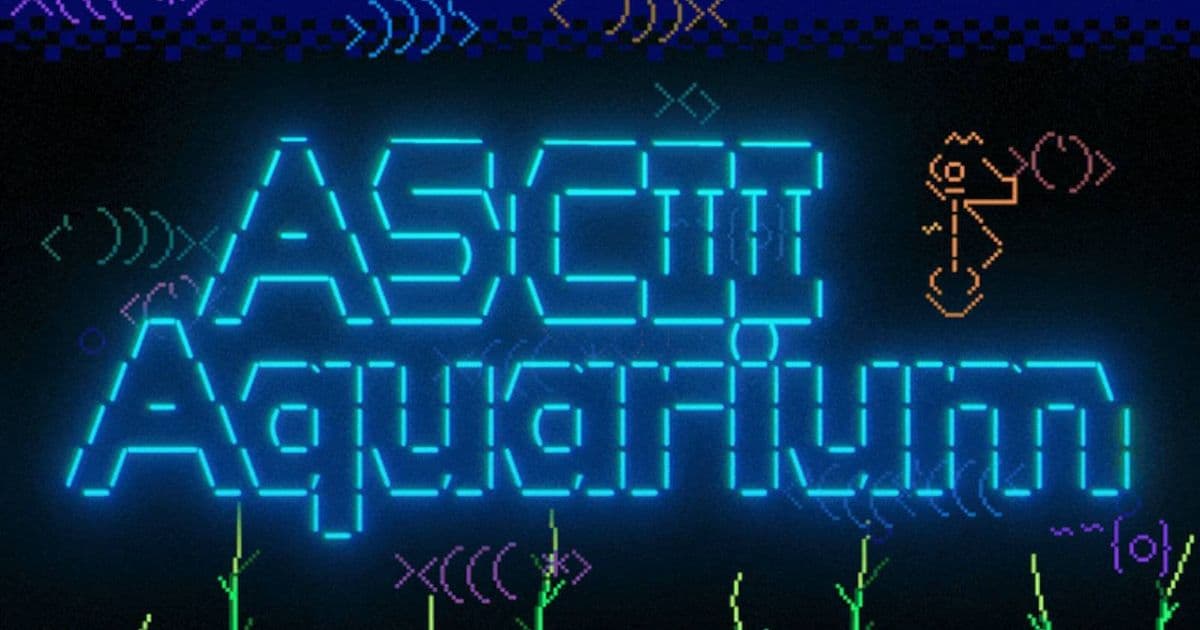
A creative DIY project transforms a cheap ESP32 CYD touchscreen into a living ASCII aquarium with real-time fish AI, tap-to-feed functionality, and charming aquatic animations.
The ESP32 CYD touchscreen, known for its versatility in DIY projects, has found an adorable new purpose: an ASCII aquarium that brings a virtual underwater world to your desktop. This charming project by POWER-PILL on GitHub demonstrates how inexpensive hardware can be transformed into engaging, interactive experiences with clever programming.
At its core, the ASCII aquarium leverages the processing power of the ESP32 microcontroller to create a dynamic ecosystem of swimming ASCII fish, rising bubbles, and swaying seaweed. Unlike a simple animation loop, the project implements real-time artificial intelligence that governs fish behavior, including schooling, avoidance, and competitive feeding when users tap the screen to dispense virtual food flakes.
The ESP32 CYD, featuring a 320x240 pixel touchscreen, serves as the perfect canvas for this aquatic simulation. The board combines Wi-Fi connectivity with sufficient processing capabilities to run the fish AI while maintaining smooth performance. This makes it an ideal platform for projects that need both display capability and computational power.
What makes the ASCII aquarium particularly compelling is its attention to detail and emergent behaviors. The fish don't simply swim in predetermined patterns; they exhibit realistic group dynamics, schooling together while avoiding collisions. When food appears on screen after a tap, fish will compete to reach it first, creating moments of delightful interaction. The simulation also includes occasional visitors like octopuses and seahorses, adding variety to the underwater scene.
Installation is straightforward, making this an excellent beginner project for those new to ESP32 development. The GitHub repository provides comprehensive instructions, from setting up the development environment to flashing the firmware onto the device. The project uses the Arduino IDE, a familiar tool for many hobbyists, and includes all necessary libraries and dependencies.
The ASCII aquarium also includes several practical features that enhance its usability. Wi-Fi time sync ensures the clock display remains accurate, while persistent settings allow users to customize their experience without reconfiguration. SD card screenshot capture lets users save moments from their virtual aquarium, whether it's a particularly interesting fish formation or a feeding frenzy.
From an ecosystem perspective, this project exemplifies the open-source spirit of the DIY electronics community. By sharing the code and documentation freely, POWER-PILL enables others to build, modify, and improve upon the concept. The ESP32 platform itself benefits from such projects, demonstrating its versatility beyond typical IoT applications and encouraging more creative uses of affordable hardware.
For those interested in diving deeper, the GitHub repository contains the complete source code, installation guides, and example configurations. The project's simplicity combined with its visual appeal makes it perfect for beginners looking to explore ESP32 programming, while the underlying AI implementation offers enough complexity to be interesting for more experienced developers.
The ASCII aquarium represents a delightful intersection of art, technology, and interactivity. It transforms a functional piece of hardware into a source of relaxation and entertainment, proving that even simple devices can become charming companions in our digital lives. Whether placed on a desk, mounted on a wall, or integrated into a larger project, this tiny aquarium brings a touch of whimsy to any space.
This project also serves as an excellent introduction to several important concepts in embedded systems development, including real-time simulation, touch input handling, display optimization, and power management. By studying and potentially modifying the code, hobbyists can gain valuable experience that applies to more complex projects.
As the DIY electronics community continues to grow, projects like the ASCII aquarium demonstrate the creative potential of accessible hardware. They remind us that technology doesn't always need to be practical or productive—it can simply be fun, bringing moments of joy and wonder to our everyday interactions with digital devices.
Comments
Please log in or register to join the discussion