The region’s expanding middle class is driving a surge in electricity demand that threatens to outpace renewable‑energy investments, forcing policymakers to rethink grid upgrades, financing models, and demand‑side measures.
Southeast Asia’s Middle‑Class Energy Conundrum
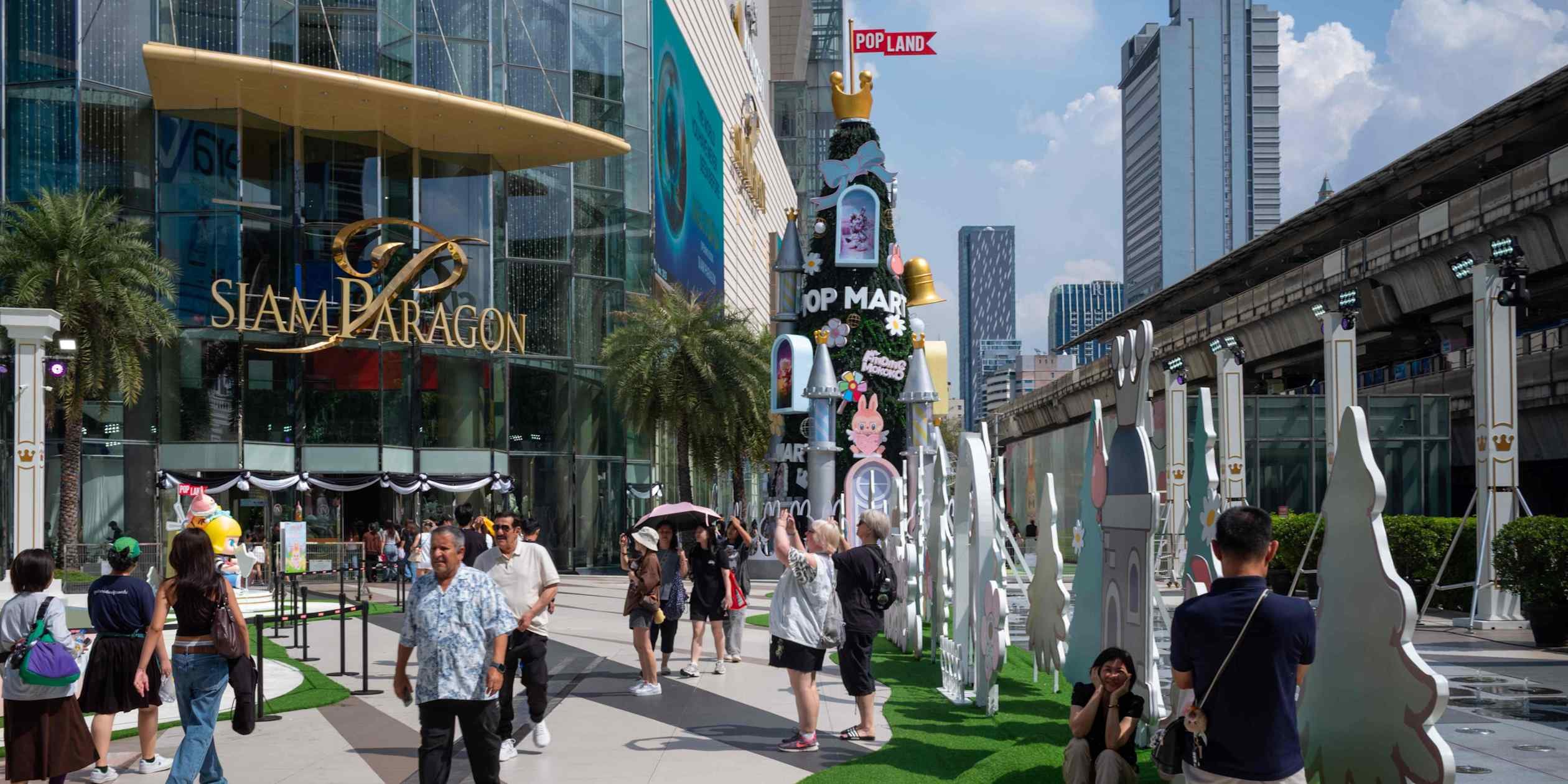
The rapid rise of the middle class in Southeast Asia is reshaping the region’s energy outlook. Between 2020 and 2025, the number of households with a monthly income above $1,000 rose from 120 million to an estimated 190 million, according to the Asian Development Bank (ADB). That demographic shift translates into higher per‑capita electricity consumption – from 1,200 kWh per year in 2020 to roughly 1,800 kWh projected for 2030.
Market Context
| Metric (2025) | 2020 | 2030 Forecast |
|---|---|---|
| Middle‑class households (millions) | 120 | 190 |
| Average residential electricity use (kWh/yr) | 1,200 | 1,800 |
| Total residential demand (TWh) | 210 | 340 |
| Renewable‑energy share of total generation | 32 % | 38 % |
| New coal‑plant capacity under construction | 6 GW | 2 GW |
The data reveal two converging pressures:
- Demand outpacing supply – The ADB projects that total electricity demand will grow at 5.2 % per year through 2030, outstripping the 3.8 % annual growth in renewable‑energy capacity.
- Financing gaps – The International Renewable Energy Agency (IRENA) estimates Southeast Asia will need $210 billion in new clean‑energy investment by 2030 to meet its Nationally Determined Contributions (NDCs). Private‑sector pipelines currently sit at $130 billion, leaving a $80 billion shortfall.
What It Means for Stakeholders
Grid operators must prioritize upgrades that accommodate intermittent solar and wind while handling higher peak loads from air‑conditioners and electric vehicles (EVs). Thailand’s Provincial Electricity Authority, for example, announced a $3.2 billion plan to deploy 1.5 GW of battery storage by 2028, aiming to shave 15 % off peak‑hour demand.
Policymakers are under pressure to redesign subsidies. Indonesia’s recent cut to the feed‑in tariff for rooftop solar (from 12 % to 8 % per annum) reflects concerns that generous incentives could strain already‑tight budgets without delivering sufficient grid‑level flexibility.
Investors are re‑evaluating risk. While Vietnam’s solar auction in Q1 2026 attracted $2.5 billion of bids, the winning price of $0.045 kWh‑1 remains above the levelized cost of electricity (LCOE) for new coal plants, raising questions about long‑term profitability without additional market‑design reforms.
Consumers will likely see higher electricity tariffs. The Philippines Energy Regulatory Commission projected a 6‑8 % tariff increase in 2027 to fund transmission upgrades and to recover the cost of integrating 3 GW of new renewable capacity.
Strategic Implications
- Demand‑side management (DSM) will become a core revenue stream. Utilities that can roll out smart‑metering and time‑of‑use pricing stand to capture up to $1.2 billion in incremental earnings by 2030, according to a McKinsey analysis.
- Hybrid renewable‑storage projects will attract capital. A joint venture between Singapore’s Sembcorp and Japan’s Mitsubishi Corp. is raising $500 million for a 300 MW solar‑plus‑battery hub in Malaysia, positioning the asset to earn capacity payments under the country’s new “flexible‑resource” market rule.
- Regional cooperation on grid interconnectivity will be a competitive advantage. The ASEAN Power Grid (APG) roadmap, endorsed in 2024, aims to add 10 GW of cross‑border transmission by 2030, potentially reducing reliance on new fossil‑fuel plants and lowering wholesale electricity prices by an estimated 4 %.
Bottom Line
Southeast Asia’s burgeoning middle class is not just a socioeconomic story; it is a decisive factor in the region’s energy transition. Without substantial investment in grid resilience, storage, and demand‑side technologies, the gap between rising consumption and renewable‑energy supply could force a resurgence of coal or lead to unaffordable electricity bills for households. Stakeholders that align financing, policy, and technology – particularly through hybrid projects and regional grid integration – will be best positioned to turn the middle‑class energy conundrum into a catalyst for a sustainable, low‑carbon future.
Tim Daiss is a senior analyst covering energy markets and sustainability in the Asia‑Pacific. This analysis builds on his recent opinion piece in Nikkei Asia.
Comments
Please log in or register to join the discussion