
Stablecoin transaction volumes surged 72% year-over-year to an unprecedented $33 trillion in 2025, driven by favorable U.S. policies and growing adoption in global payments, with Circle's USDC and Tether's USDT dominating the market.
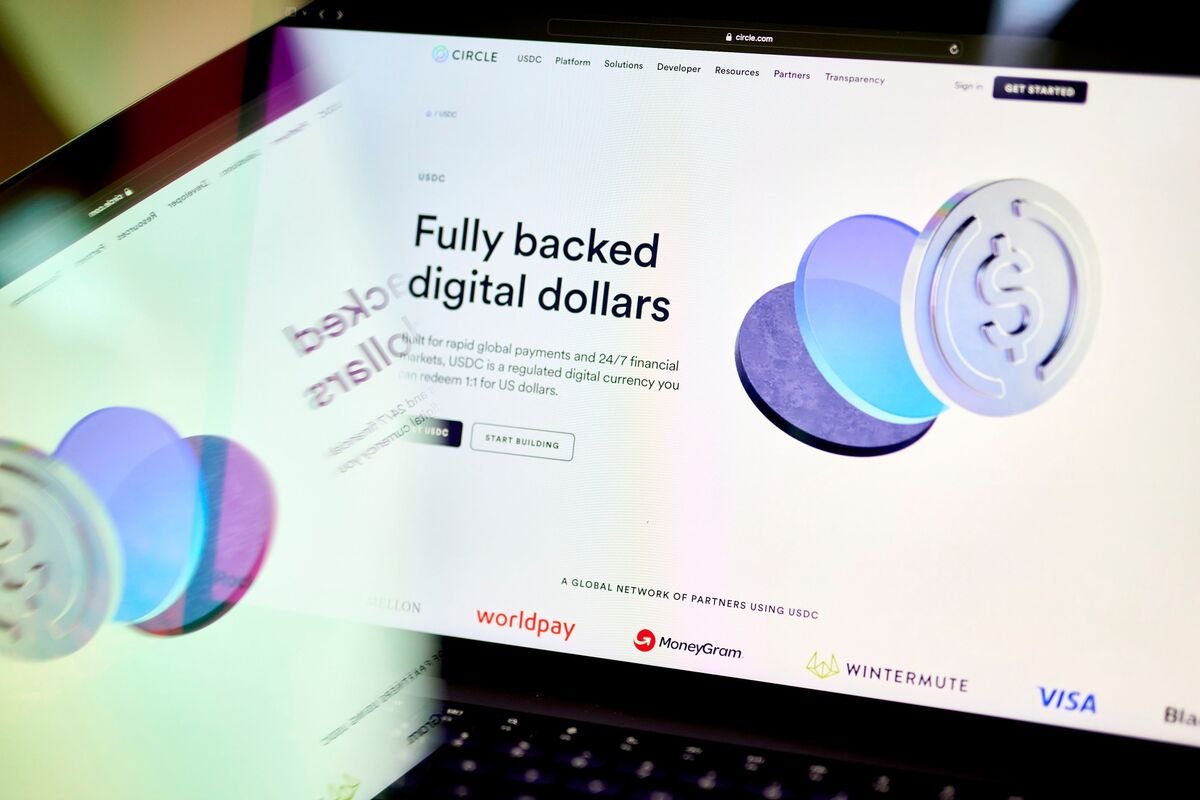
The stablecoin market has reached unprecedented transaction volumes, with Artemis Analytics reporting a record $33 trillion processed in 2025—a 72% year-over-year increase. This acceleration signals a seismic shift in how digital currencies are used for global transactions, fueled by regulatory tailwinds and expanding real-world applications.
Market Leaders Emerge
Circle's USDC dominated with $18.3 trillion in transactions, followed closely by Tether's USDT at $13.3 trillion. The growth reflects increased institutional adoption for cross-border payments, remittances, and decentralized finance (DeFi) operations. Analysts attribute this surge partly to the U.S. regulatory environment under President Donald Trump, whose administration has implemented crypto-friendly policies like the Stablecoin Clarity Act of 2025, which established clear custody and reserve requirements.
Drivers Beyond Speculation
Unlike previous crypto booms driven by asset appreciation, this growth stems from tangible use cases:
- Corporations using stablecoins for supplier payments to avoid traditional banking delays
- Remittance corridors in Asia and Latin America adopting USDC for lower fees
- DeFi protocols leveraging stablecoins as liquidity anchors Artemis data shows non-speculative transactions now comprise over 60% of volume, up from 35% in 2023. Major payment processors like PayPal and Stripe have integrated stablecoin settlements, accelerating mainstream acceptance.
Counterpoints and Risks
Critics highlight persistent concerns:
- Transparency Gaps: Tether's quarterly attestations still face scrutiny over reserve composition despite improved auditing.
- Central Bank Competition: The Federal Reserve's FedNow service and ECB's digital euro pilot could fragment the market.
- Geopolitical Vulnerabilities: Recent U.S. sanctions on Russian entities using stablecoins for evasion highlight regulatory exposure.
Market skeptics also note concentration risk—USDC and USDT control 95% of transactions—raising questions about systemic fragility. "This isn't decentralization; it's a duopoly with single points of failure," warned MIT Cryptoeconomics Lab director Sarah Wang in a recent analysis.
The Road Ahead
Emerging competitors like MakerDAO's DAI aim to challenge incumbents with decentralized governance models. Meanwhile, Circle's planned IPO in Q3 2026 could further legitimize the sector. As regulatory frameworks solidify globally, stablecoins appear poised to become infrastructure—not just assets—but their trillion-dollar footprint now demands rigorous scrutiny alongside celebration.
Comments
Please log in or register to join the discussion