Stanford's renowned CS193P course, 'Developing Apps for iOS', kicks off its 2025 edition with Lecture 1, diving into the essentials of SwiftUI and Xcode. This free resource offers developers a structured path to building modern iOS apps. As Apple’s declarative UI framework matures, the course provides timely guidance for both newcomers and seasoned engineers.
Stanford's CS193P Returns: Mastering SwiftUI from the Ground Up in 2025
Stanford University's CS193P course, formally titled "Developing Apps for iOS," has launched its 2025 iteration, beginning with Lecture 1: Getting Started with SwiftUI. Taught by the esteemed Paul Hudson, this free online offering remains a cornerstone resource for developers aiming to harness Apple's declarative UI framework. For those building iOS apps, this course delivers a structured, hands-on approach that's both accessible and deeply technical.
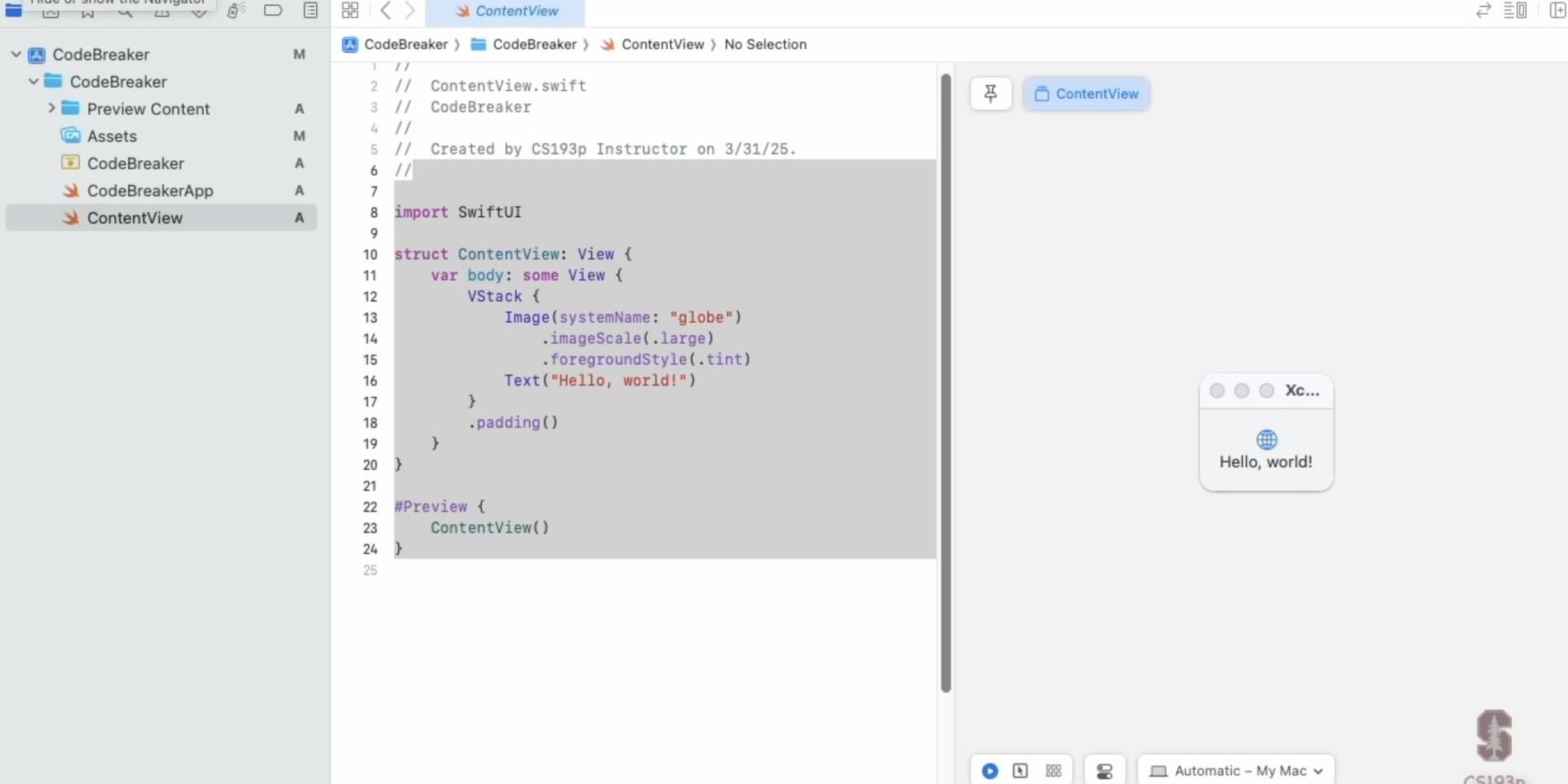
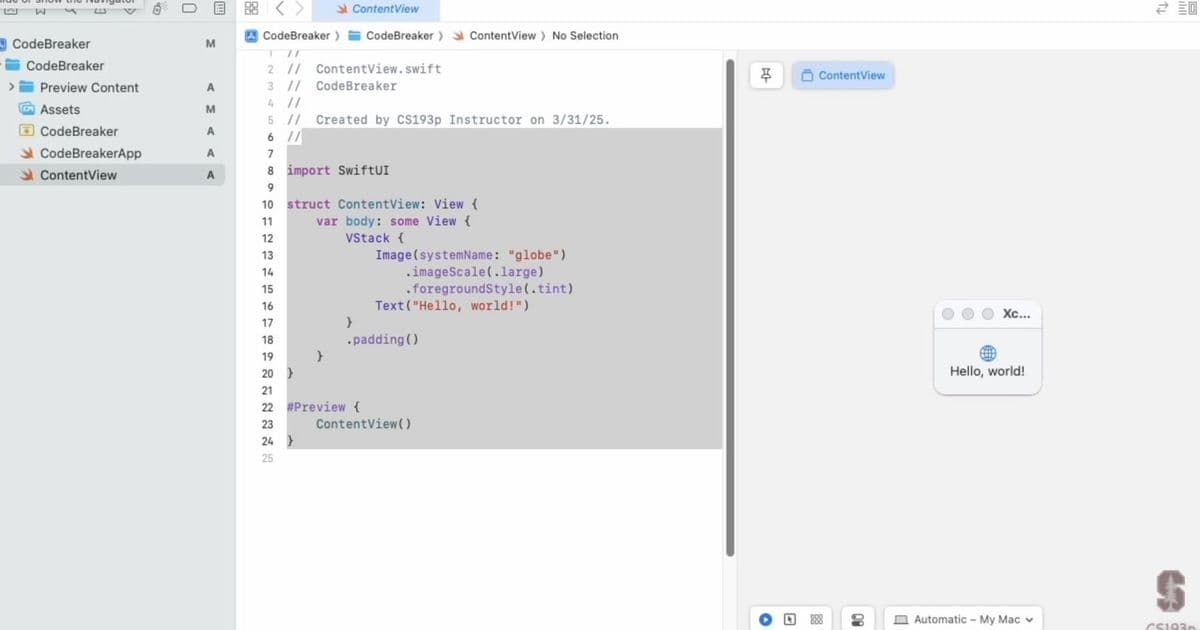
The opening lecture sets the foundation by introducing the basics of Xcode—Apple's integrated development environment—and SwiftUI, with a particular focus on Views. As the screenshot above illustrates, it starts simple: a "Hello World" application that demystifies the initial setup. This isn't just rote learning; it's a deliberate ramp-up designed to get participants coding immediately, understanding how SwiftUI's declarative paradigm differs from older imperative approaches like UIKit.
Why SwiftUI Matters in 2025
SwiftUI, introduced at WWDC 2019, has evolved significantly over six years. Now supporting iOS 18 and beyond, it offers live previews, state management, and seamless integration with Swift 6's concurrency features. For developers transitioning from UIKit or Android's Jetpack Compose, SwiftUI's reactive, composable Views reduce boilerplate and accelerate prototyping. Yet, challenges persist: platform-specific quirks and performance tuning in complex layouts still trip up even experienced coders.
CS193p addresses these head-on. Lecture 1's reading assignment reinforces the video content, ensuring learners grasp core concepts like View protocols and the preview canvas. As the course progresses—typically covering animations, navigation, data flow, and real-world apps like Memorize or Emoji Art—it builds toward production-ready skills.
A Timeless Resource for Modern iOS Development
What sets CS193P apart is its focus on why SwiftUI works the way it does. Paul Hudson doesn't just demo code; he explains the mental models behind @State, @Binding, and higher-order functions in Views. This depth appeals to the technical audience: engineers who want to write idiomatic SwiftUI, not just functional apps.
Available at cs193p.stanford.edu, the course is self-paced, with lectures, assignments, and community forums. For iOS developers in 2025—amidst Apple's push toward Vision Pro and AI integrations like Apple Intelligence—this refresh ensures the material stays cutting-edge.
As Lecture 1 drops, it's a call to action for developers: dive in, build that first View, and join thousands who've leveled up their iOS game through Stanford's gold-standard curriculum.
Comments
Please log in or register to join the discussion