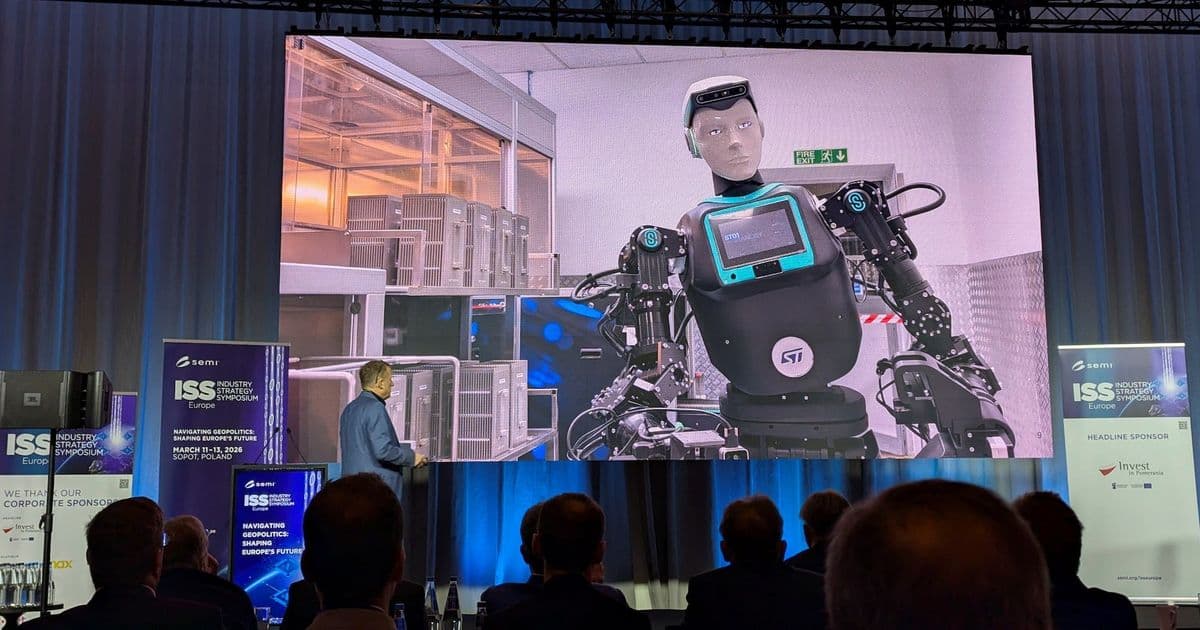
STMicroelectronics unveils plans to deploy humanoid robots in older chip plants while retraining workers, aiming to preserve jobs and avoid closures in aging facilities.
STMicroelectronics, a major European semiconductor manufacturer, has announced plans to deploy humanoid robots in its older chip manufacturing plants while retraining existing workers to handle more advanced tasks. The initiative aims to preserve jobs and avoid closures of aging facilities that have become less competitive in the global chip market.
The company, which operates facilities across Europe, Asia, and the United States, is targeting its older plants for this transformation. These facilities, some dating back decades, have struggled with productivity and cost competitiveness compared to newer, more automated fabs.
What's Actually New
According to sources familiar with the plan, STMicro will begin deploying humanoid robots capable of handling repetitive and physically demanding tasks that currently require human workers. The robots are being developed in partnership with robotics companies and are designed to work alongside humans in existing facilities without requiring major infrastructure changes.
The retraining program will focus on upskilling current employees to work with the new robotic systems, handle more complex manufacturing processes, and move into roles that require higher technical expertise. Workers will receive training in areas like robotics maintenance, advanced quality control, and data analysis.
Why It Matters
This approach represents a middle ground between full automation and maintaining traditional manufacturing workforces. Rather than closing older plants and consolidating production in newer facilities, STMicro is attempting to modernize its existing infrastructure while preserving jobs.
The strategy could serve as a model for other manufacturers with aging facilities, particularly in regions with strong labor protections or where plant closures would have significant economic impacts on local communities.
Limitations and Challenges
Industry analysts note several potential obstacles to the plan's success. The cost of humanoid robots remains substantial, and their reliability in industrial environments is still being proven. Additionally, retraining workers takes time, and there's no guarantee that all employees will successfully transition to new roles.
The initiative also comes amid broader challenges in the semiconductor industry, including geopolitical tensions affecting supply chains and ongoing pressure to reduce costs in a highly competitive market.
Context
STMicro's approach contrasts with strategies employed by some competitors who have opted for complete facility overhauls or relocation to regions with lower labor costs. The company's decision reflects both economic considerations and potential regulatory or political pressures to maintain manufacturing jobs in certain regions.
The timing of the announcement is notable, coming as the semiconductor industry faces questions about the future of manufacturing employment in an era of increasing automation. While many companies are investing heavily in AI and robotics, few have publicly outlined plans that explicitly aim to preserve existing workforces through technological transformation.
What's Next
The company plans to begin pilot deployments in select facilities later this year, with full implementation across its older plants expected over the next three to five years. Success will likely depend on the performance of the robotic systems, the effectiveness of the retraining programs, and the company's ability to maintain productivity levels during the transition.
If successful, the initiative could influence how other manufacturers approach the challenge of modernizing aging facilities while managing workforce transitions in an increasingly automated industry.
For more information, visit STMicroelectronics' official website.
Image: 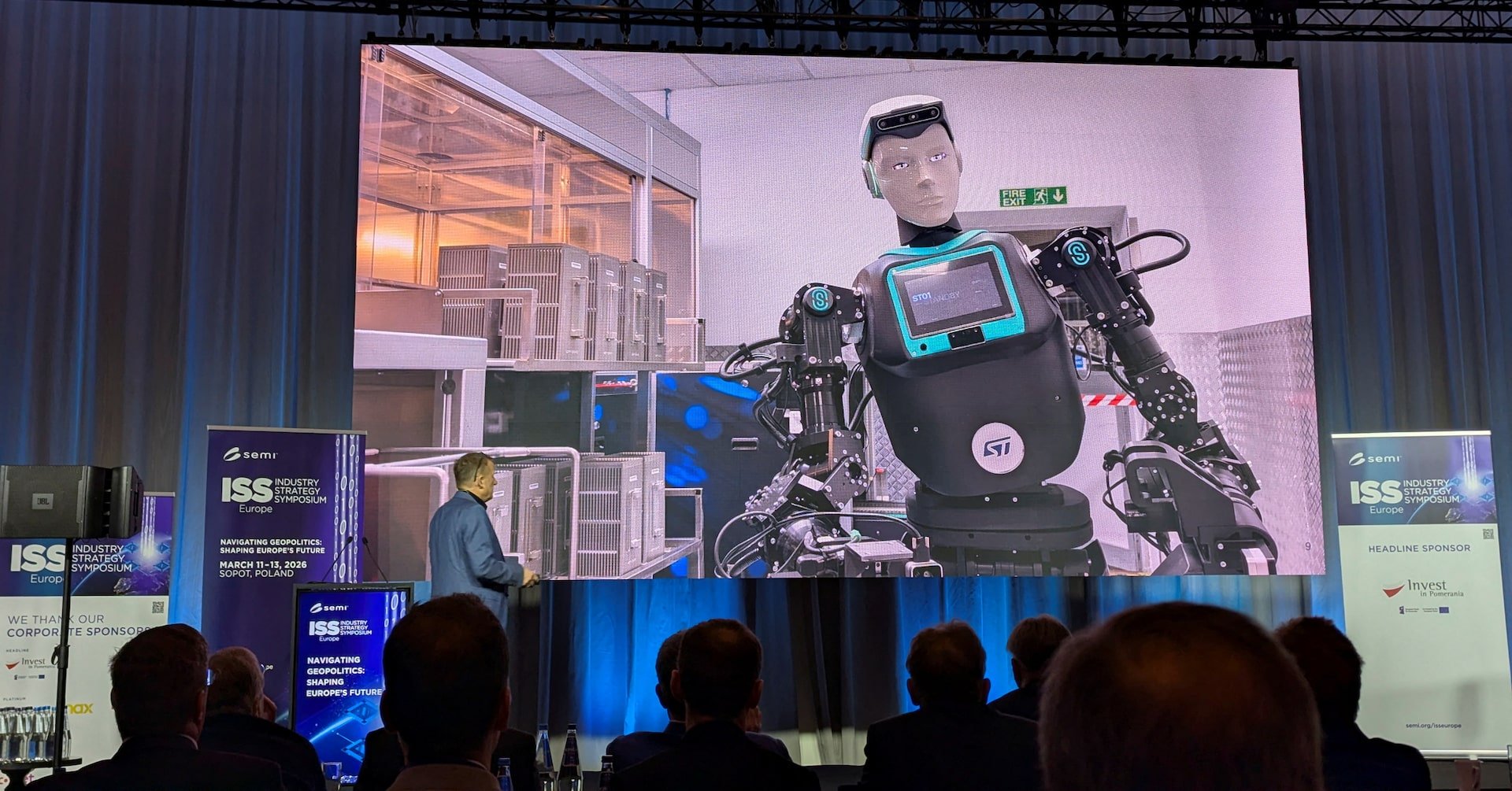 - STMicroelectronics humanoid robot deployment plans
Comments
Please log in or register to join the discussion