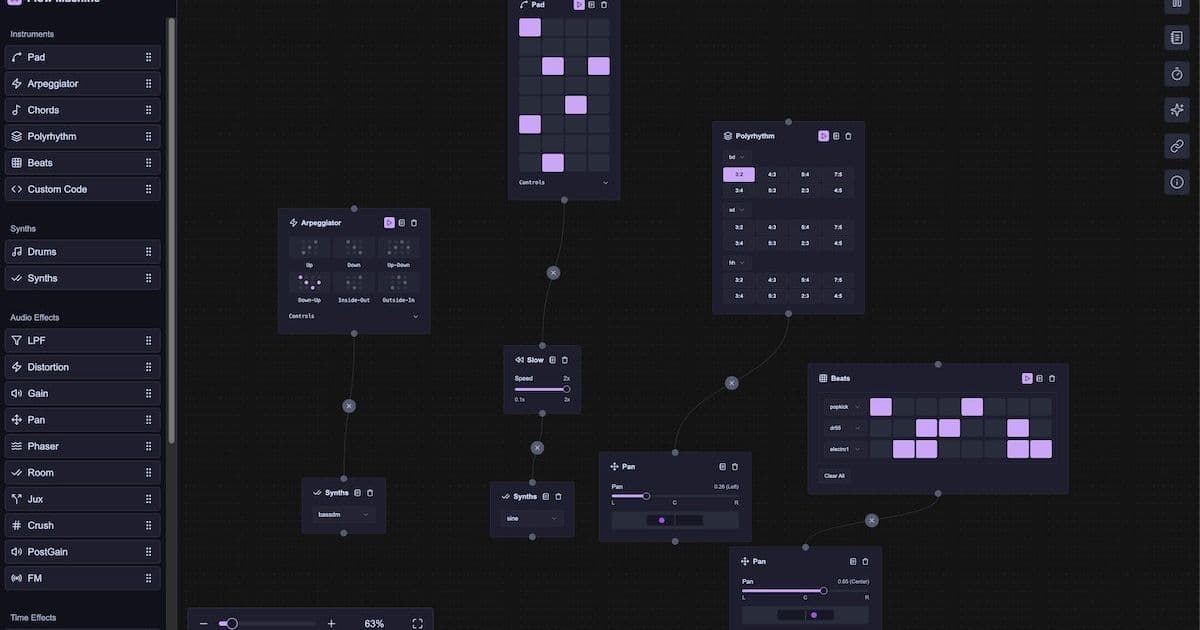
The diagramming landscape gains a powerful new contender as Strudel Flow launches, merging React Flow's node-based architecture with tldraw's collaborative whiteboarding capabilities. This open-source hybrid promises to streamline complex visualization workflows for developers building everything from flowcharts to interactive design tools.
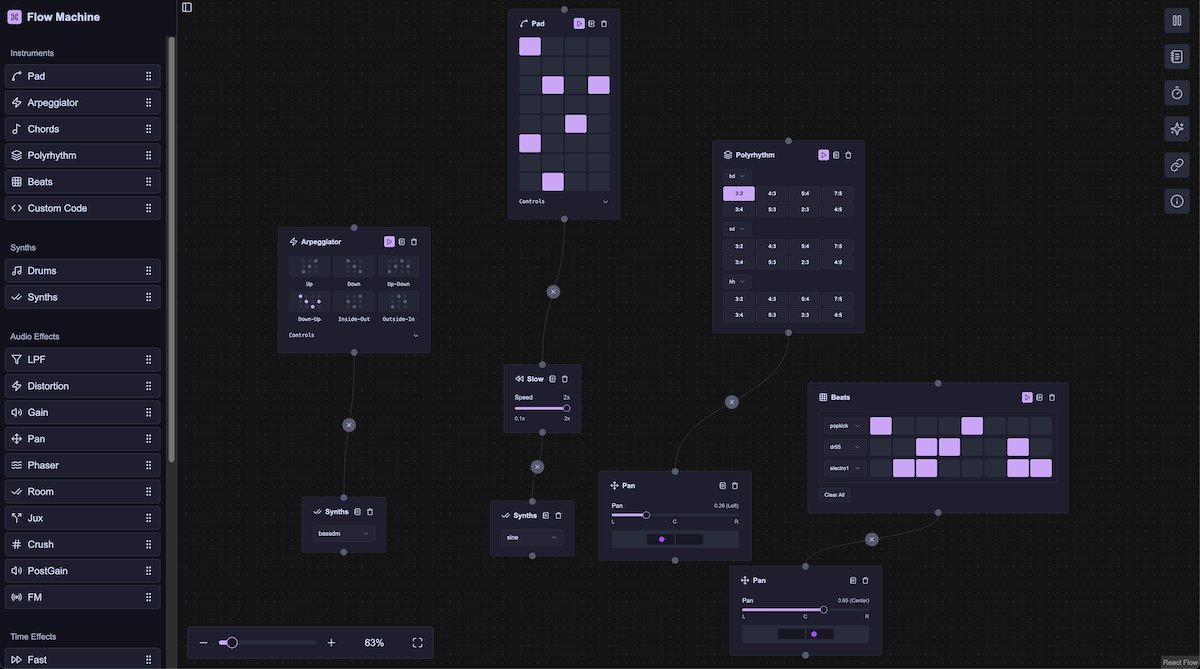
The open-source ecosystem witnesses a significant convergence today with the launch of Strudel Flow, a novel library that bridges the gap between structured diagramming and freeform collaboration. By strategically combining the node-based precision of React Flow—a staple for developers building flowcharts, process diagrams, and node editors—with tldraw's acclaimed freehand drawing and real-time collaboration features, Strudel Flow creates a unified canvas for multifaceted visualization needs.
Why This Fusion Matters
Traditional diagramming tools often force developers to choose between structured accuracy (like BPMN workflows) and creative freedom (like brainstorming boards). Strudel Flow eliminates this compromise. Developers can now:
- Embed interactive node graphs within collaborative whiteboards
- Combine flowchart logic with freehand annotations in real-time
- Leverage tldraw's multiplayer functionality for team-based diagramming sessions
- Maintain React Flow's extensibility through custom nodes and edge types
Technical Architecture
Under the hood, Strudel Flow operates as an abstraction layer that orchestrates both libraries. Key technical considerations include:
// Example integration snippet
import { StrudelCanvas } from 'strudel-flow';

const Diagram = () => (
  <StrudelCanvas
    reactFlowProps={{ nodes, edges, onConnect }}
    tldrawProps={{ shapes, bindings }}
    syncMode="hybrid" // Options: 'react-flow', 'tldraw', or 'hybrid'
  />
);
This architecture allows granular control over when and how both engines interact, preventing rendering conflicts while enabling shared event handling.
Implications for Developers
For teams building:
- Low-code platforms: Unified canvas for both logic design (React Flow) and UI mockups (tldraw)
- DevOps tools: Network diagrams with real-time incident annotation
- AI pipelines: Visual programming interfaces augmented with collaborative debugging Strudel Flow reduces integration friction and eliminates context switching. The MIT-licensed project also inherits React Flow's 380K+ monthly npm downloads and tldraw's robust editor foundations.
As digital product complexity grows, tools that unify structured and unstructured workflows become critical. Strudel Flow’s emergence signals a maturation in the diagramming ecosystem—where specialized tools converge to solve compound challenges, letting developers focus less on glue code and more on transformative user experiences.
Source: Strudel Flow Announcement
Comments
Please log in or register to join the discussion