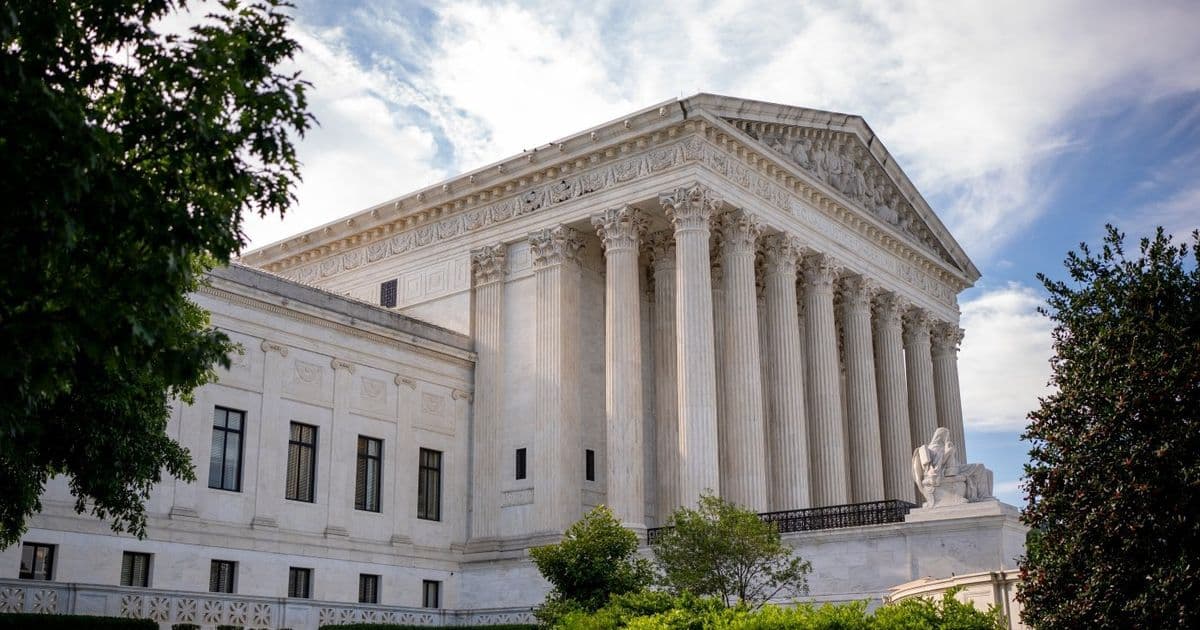
The U.S. Supreme Court is hearing a landmark billion-dollar case that could reshape internet service providers' legal responsibilities for users' copyright violations, with profound implications for network infrastructure and content moderation.
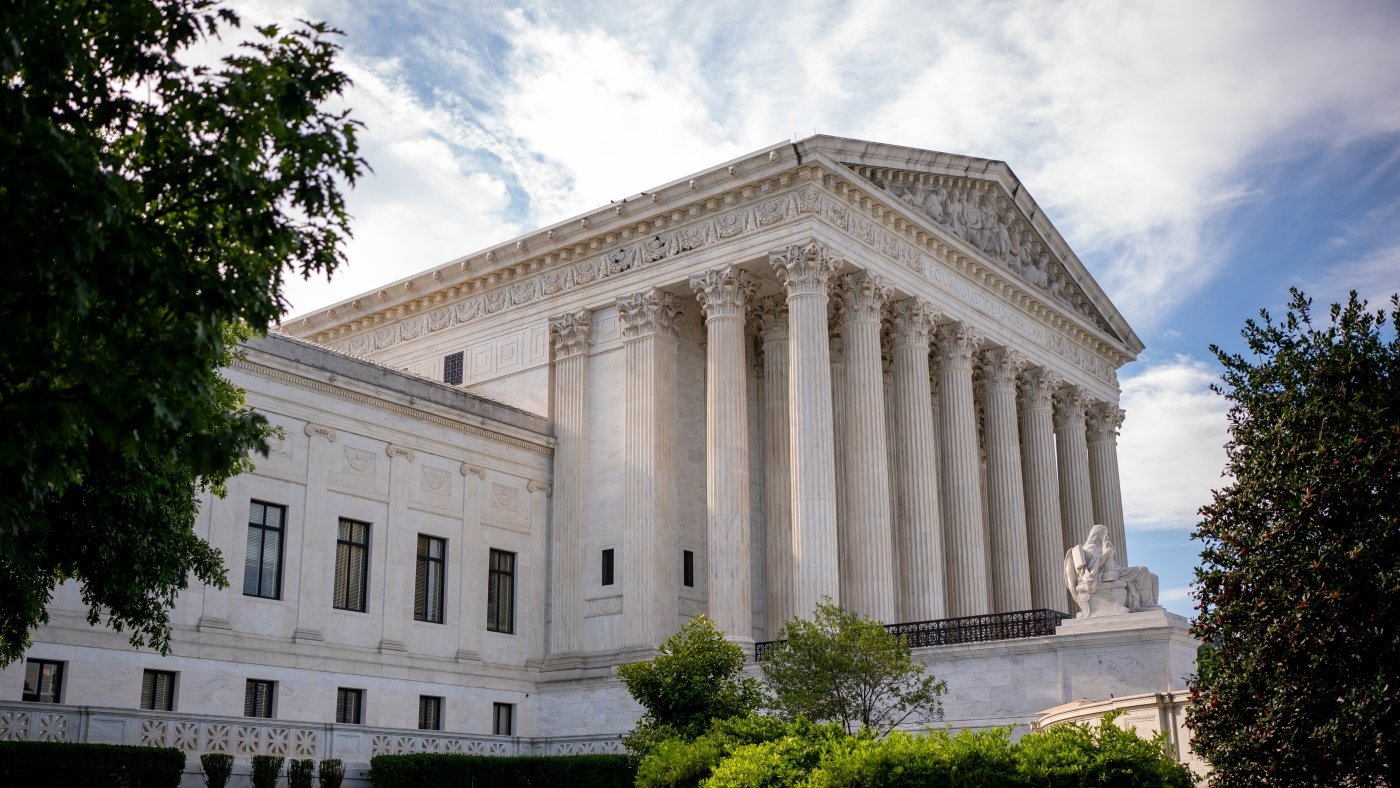
The U.S. Supreme Court on Monday began deliberating a pivotal case that could fundamentally alter the legal landscape of internet infrastructure, as it weighs whether internet service providers (ISPs) like Cox Communications can be held liable for their users' copyright infringement. The billion-dollar lawsuit, brought by a coalition of music labels representing artists such as Sabrina Carpenter and Doechii, argues that Cox knowingly failed to terminate serial infringers despite repeated DMCA notices, creating a test case for the boundaries of the Digital Millennium Copyright Act's safe harbor provisions.
At the core of the dispute is the DMCA's "notice-and-takedown" system, which protects ISPs from liability if they implement policies to address repeat infringers. The music industry alleges Cox's compliance was deliberately inadequate, pointing to internal communications where a manager overseeing DMCA compliance allegedly instructed his team to "F the dmca!!!" and criticized the company's 13-strike policy as superficial. The Fourth Circuit Court of Appeals and a jury sided with the labels, awarding over $1 billion in damages after finding Cox "elevated its own profits over compliance with the law."
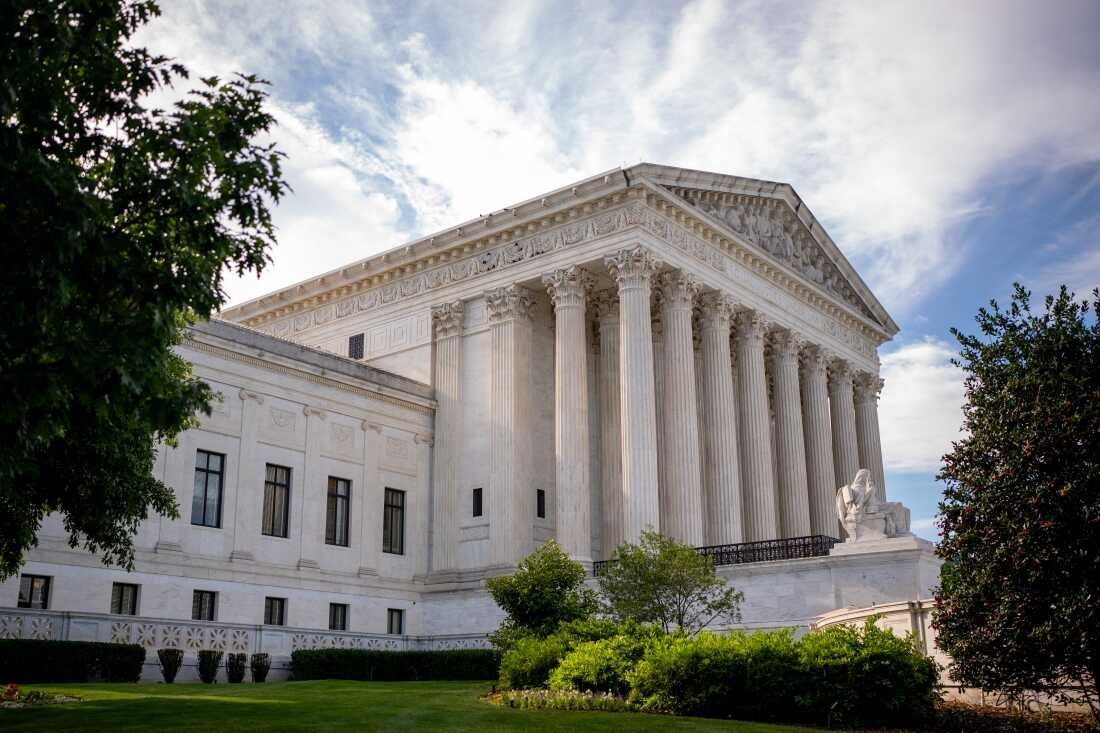
Cox Communications counters that it shouldn't be penalized for users' actions, noting its terms of service prohibit illegal activities and that less than 1% of its users infringe copyrights. The ISP claims its internal measures successfully stopped 95% of infringers and warns that a ruling against them would force catastrophic disruptions to shared internet access points:
"If the Supreme Court does not side with us, that means terminating entire households, coffee shops, hospitals, universities, and even regional internet service providers—merely because some unidentified person was previously alleged to have used the connection to infringe."
For developers and engineers building online platforms, the case carries significant technical implications. A ruling against Cox could pressure ISPs to implement more aggressive infringement detection systems, potentially leading to automated over-blocking of legitimate users and complicating network management. Conversely, a Cox victory might reduce incentives for ISPs to invest in robust copyright enforcement, shifting enforcement burdens entirely to copyright holders. The decision, expected this summer, will likely influence how ISPs design their infrastructure and compliance protocols, affecting everything from content moderation algorithms to shared network security models. The outcome could also set precedents for other digital service providers grappling with balancing copyright protection with open internet principles.
Comments
Please log in or register to join the discussion