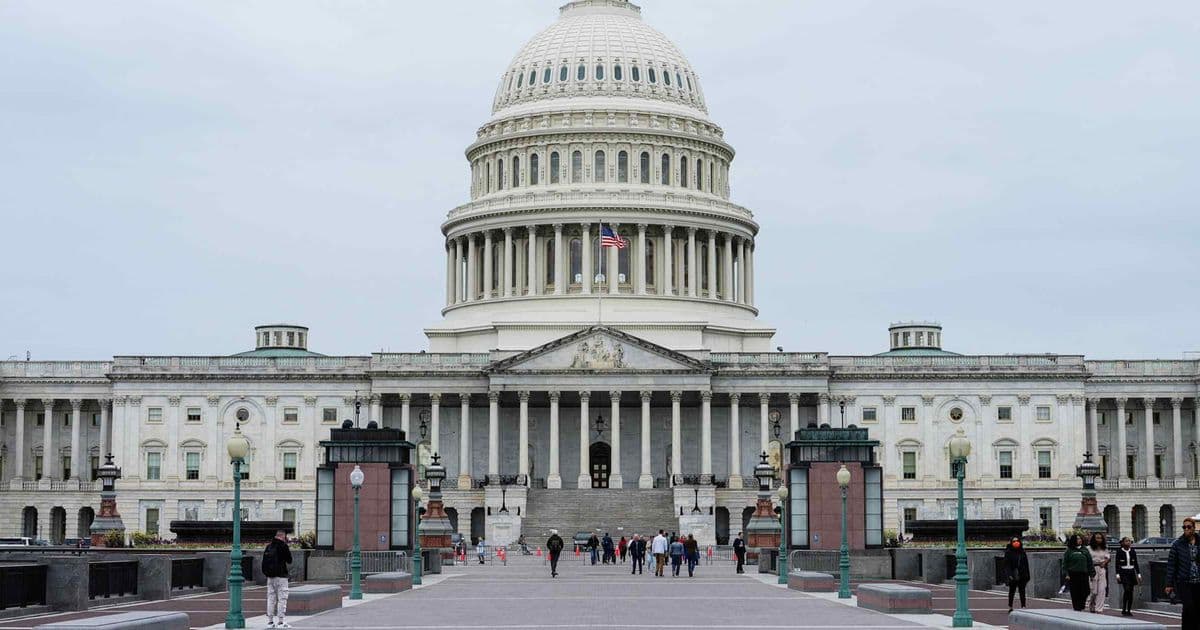
A new opinion call from Jason Hsu and Patrick Wilson argues Taiwan's technology firms lack a serious business lobby in the U.S. capital, a strategic gap that grows more expensive as Nvidia commits up to $150 billion a year to Taiwanese AI suppliers and TSMC pours tens of billions into Arizona fabs.
Taiwan supplies the most economically critical hardware on the planet, yet its companies remain near-silent in the one city where the rules governing that hardware get written. That is the argument Jason Hsu, a senior fellow at the Hudson Institute, and Patrick Wilson, founder of the Washington consultancy Semiconductor & Innovation Group, made in a June 12 opinion piece for Nikkei Asia. Their thesis is blunt: Taiwanese technology firms must build a powerful, coordinated business lobby in Washington, or watch their commercial fate get decided by people who do not understand their business.
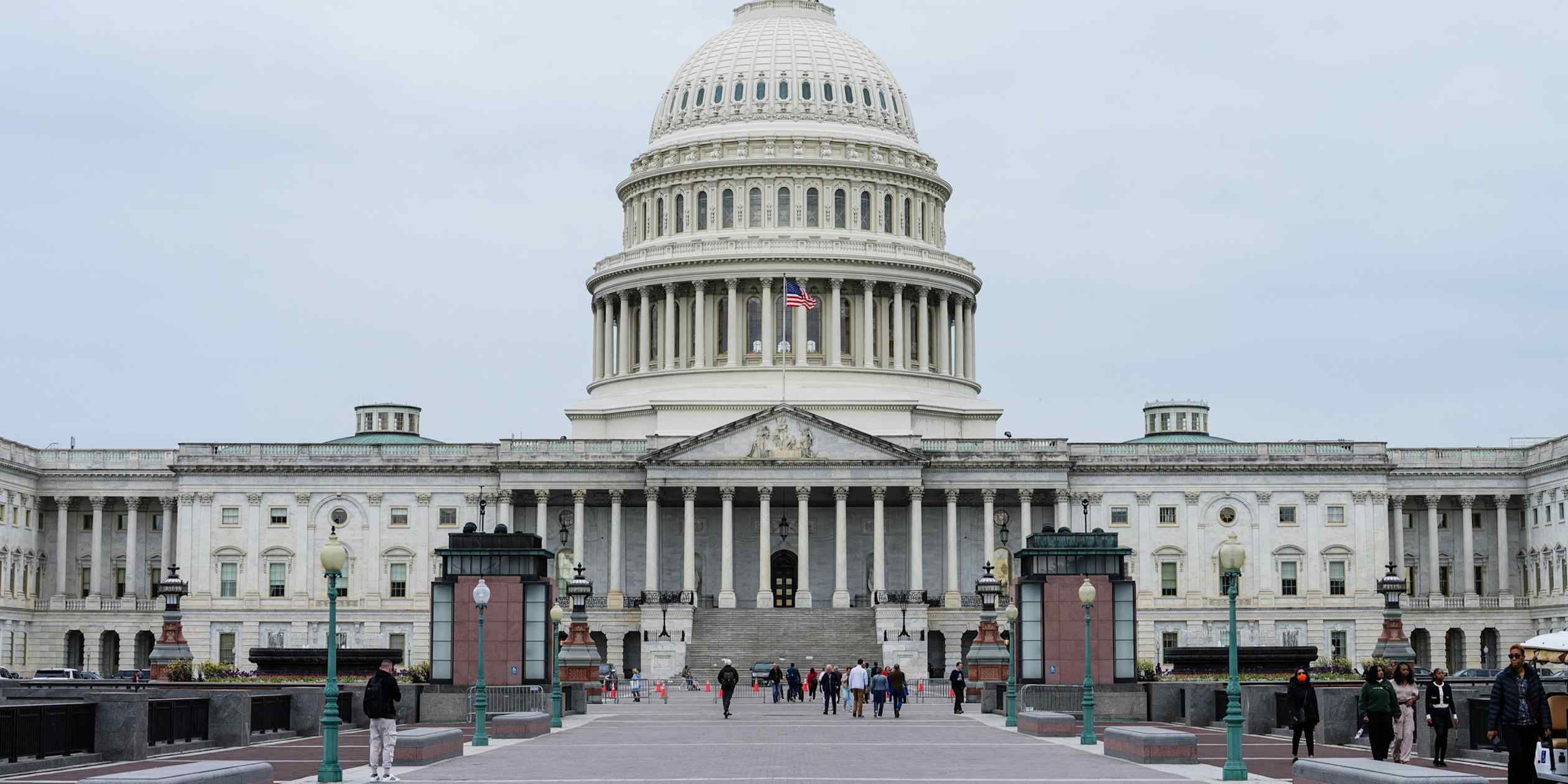
The timing reflects a widening mismatch between Taiwan's economic weight and its political footprint in the United States. Taiwan Semiconductor Manufacturing Co. fabricates roughly 90 percent of the world's most advanced logic chips, the parts that go into Apple iPhones, Nvidia accelerators, and AMD server processors. Nvidia CEO Jensen Huang recently said the company is spending up to $150 billion a year with Taiwanese AI suppliers, a figure that rivals the annual revenue of entire industries. Taiwan itself just raised its 2026 GDP growth outlook to a 16-year high, citing the artificial intelligence buildout. The supply chain runs through Taiwan, but the lobbying disclosures, political action committees, and trade association memberships that shape U.S. policy mostly do not.
Why the gap matters now
For decades, Taiwanese firms operated on a quiet logic: stay out of politics, deliver the product, let the value of the supply chain speak for itself. That worked when semiconductors were a back-office input that policymakers ignored. It stopped working the moment chips became an instrument of national security and trade policy.
The CHIPS and Science Act of 2022 put more than $50 billion in federal subsidies on the table and attached conditions that directly affect how foreign manufacturers operate on U.S. soil. Export controls aimed at China now dictate which customers Taiwanese firms can serve and which tools they can buy. Tariff threats and 'bargaining chip' rhetoric, including from the Trump administration, have turned Taiwan's industrial base into a recurring topic in trade negotiations the companies themselves are barely part of.
TSMC has responded with capital, committing tens of billions of dollars to fabrication plants in Arizona. But capital deployment is not the same as political representation. A company can build a $40 billion fab and still have no organized voice when Congress debates the tax treatment of that investment, the visa rules for the engineers who staff it, or the export rules that determine what it can produce.
What an effective lobby actually buys
Hsu and Wilson are pointing at a structural feature of how Washington works. American technology firms understand it intimately. Companies like Intel, Qualcomm, and the broader membership of the Semiconductor Industry Association spend heavily on lobbying, fund PACs, place former officials on their policy teams, and maintain a constant presence in committee hearings. That spending is not vanity. It buys early warning on regulation, a seat at the table when legislation is drafted, and the credibility to argue technical points that generalist staffers cannot evaluate on their own.
The absence of a comparable Taiwanese presence creates two concrete risks. The first is that policy gets written without the technical input of the firms that will have to comply with it, producing rules that are unworkable or needlessly costly. The second is that in a negotiation, parties without representation become the line item that gets traded away. When Taiwan's industrial base is described as a bargaining chip, the companies that constitute that base have little ability to push back in real time.
A serious lobby would change the calculus. It would give Taiwanese firms a mechanism to explain why a particular export rule breaks a supply chain, to argue for favorable treatment of their U.S. investments, and to build relationships with lawmakers before a crisis rather than during one. It would also let them coordinate, presenting a unified industry position instead of leaving each firm to fend for itself.
The strategic implications
The deeper point is about leverage and who controls it. Taiwan's chip dominance is an enormous source of bargaining power, the so-called silicon shield that ties American economic interests to the island's security. But leverage that is never exercised in the rooms where decisions happen is leverage in name only. The companies hold the cards on manufacturing capability; they do not hold them on policy.
This disconnect is becoming more acute as the AI cycle accelerates. The same week brought news of Hitachi and Intel teaming up on AI-driven chip production, MediaTek partnering with Intel and TSMC on advanced packaging, and TSMC's CEO dismissing competitive threats while wishing Elon Musk luck on his own chip ambitions. Every one of these moves intersects with U.S. trade, antitrust, and national security policy. The firms making them have a direct stake in how Washington responds, and limited infrastructure to shape that response.
For Taiwanese executives, the recommendation carries a cost-benefit calculation. Building a Washington presence means hiring lobbyists, funding industry groups, and accepting the scrutiny that comes with political engagement, including from Beijing, which watches Taiwan's U.S. relationships closely. The alternative is continuing to let others define the terms on which the world's most important chips get made and sold. As the value of Taiwan's output climbs into the hundreds of billions, the price of staying quiet keeps rising.
Comments
Please log in or register to join the discussion